To Japanese

All images can be enlarged by by left-clicking on your mouse.
"The Canterbury Tales" and My Canterbury Pilgrimage (2025)
In the history class in junior high school, I was taught that Canterbury Tales by Geoffrey Chaucer is a representative piece of literature from medieval England but nothing more. It was several years ago that I watched the rebroadcast of a Japanese Open-University TV Programme,
Walking-with-Writers – A Literary Journey Around England,
presented by Prof. Atsushi Iguchi and Prof. Stuart Varnam-Atkin[1],
and learnt about the history of Canterbury Cathedral.
Showing a souvenir towel of Figure 1, Prof. Varnam-Atkin explained that:
(1) Canterbury was a town in Roman time,
(2) St Augustine, the first apostle to England, founded the first cathedral in 597, and became the first Archbishop of Canterbury,
(3) Viking raiders captured St Alphege and damaged the cathedral in 1011,
(4) The ancient cathedral was destroyed by fire in 1067,
(5) Norman Archbishop Lanfranc rebuilt it in 1077,
(6) Archbishop St Thomas Becket, who defied King Henry II was murdered by the king’s four knights.
(7) Many miracles happened after then.
.jpg)
Figure 1 A Canterbury souvenir tea towel in which The General Prologue to The Canterbury Tales and the historical events of the Cathedral are illustrated, shown by Prof. Varnam-Atkin. The image has been reproduced by photographing the towel while it was displayed on the monitor, then synthesising the partial images (revised 2025).
Canterbury, known in Old English as “Cantwareburh”, spelled as “Cair Ceint" in Old Welsh and “Caunterbury" in Middle English, respectively, meant Kentish Stronghold.
Prof. Atsushi Iguchi continued about the abstract of The Canterbury Tales written about 200 years later.
Geoffrey Chaucer, born around in 1345 in a rich middle class family in London, had served himself for the court of King Edward III and became familiar with such literatures as The Divine Comedy by Dante Alighieri and The Decameron by Giovanni Boccaccio, when he was despatched as a diplomat to Florence and other countries in the Continent.
Figure 2 shows a portrait of Geoffrey Chaucer in the Caxton’s first edition of the Canterbury Tales, 1476[2]
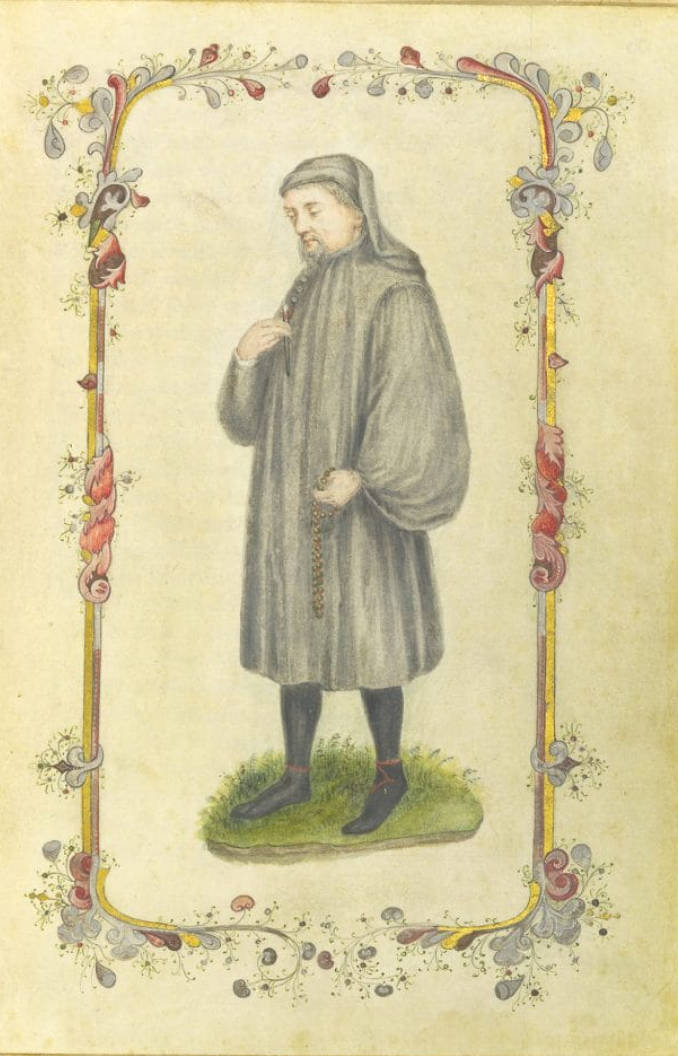
Figure 2 The frontispiece portrait of Geoffrey Chaucer in the Caxton’s first edition of the Canterbury Tales, 1476[3]
As written in the General Prologue, The Canterbury Tales consist of tales told by some thirty men and women who gathered in the Tabard Inn at the Southwark in London to pilgrim to Canterbury and agreed with the proposal of the inn’s master to present stories of their own, one by one, in order to relieve the boredom of the journey of fifty miles that would have taken one week or more on horseback or horse cart, as illustrated in Figure 3[4], whist nowadays trains cover the distance within two hours.
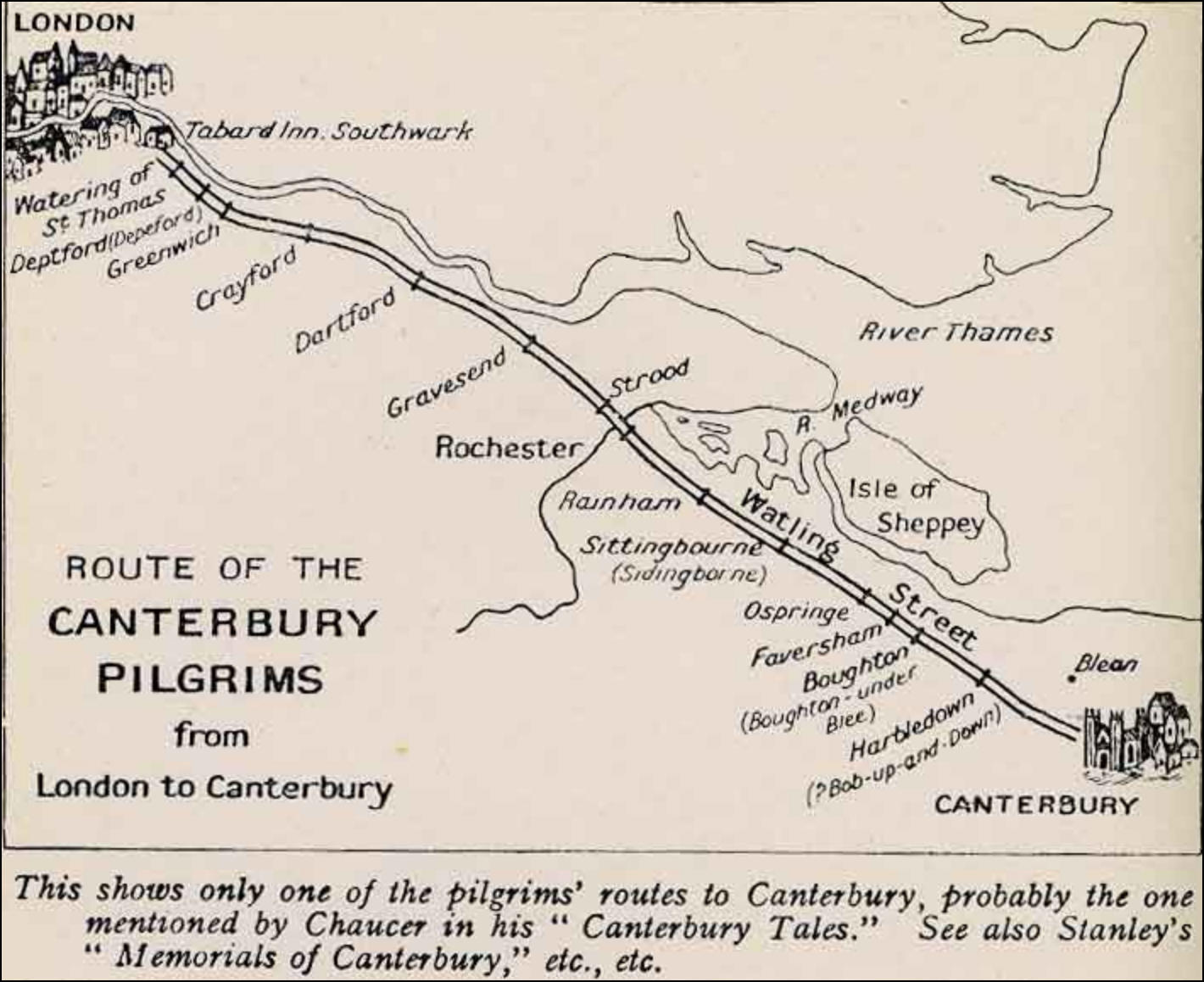
Figure 3 The route of the Canterbury Pilgrims[5]
The whole text was written in the form of a poem in the Middle English twisted with French, not in Latin that was the major writing language at that time, with Lambic pentameters and Rhyming couplets. His recitation was rhythmical, and fresh to my ears, but I thought it was too difficult for me to imitate.
Then, I was intrigued to follow the translation into modern English, line by line., with reference to the original Middle English poem as well as to the translation into Japanese, my mother tongue.
It was in 2023 that I had an opportunity to see a fantastic stained glass panel in which the scene of pilgrimages starting London to Canterbury was depicted in The Stained Glass Museum, Otaru, in the Otaru Art Base[6], Hokkaido. In 2024, my long-cherished wish to visit Canterbury was realised. The journey was extended to Ely where The Stained Glass Museum was annexed to the Ely Cathedral to house a number of windows collected from abandoned churches. These experiences will be added to the Results and Discussion.
The original manuscript by Chaucer is said to be unknown but various copies known.
The first printed book was produced in 1476 in Westminster, London by William Caxton ( c. 1422 – c. 1491) who had stayed some years in Germany to learn the method of moveable-type printing press invented by Johannes Gutenberg. Wynkyn de Worde (died c. 1534), who came from Rheinland-Pfalz) and worked with Caxton, inherited the print house after latter’s death and produced more books. Richard Pynson (c. 1449 – c. 1529) who moved from Normandy to London printed a wide range of books, including The Canterbury Tales in 1492, as well as official legal material, having been appointed a King's Printer to Henry VII and Henry VIII.
Examples of pages in the books of Caxton and Pynson are shown in Figure 4.
(1)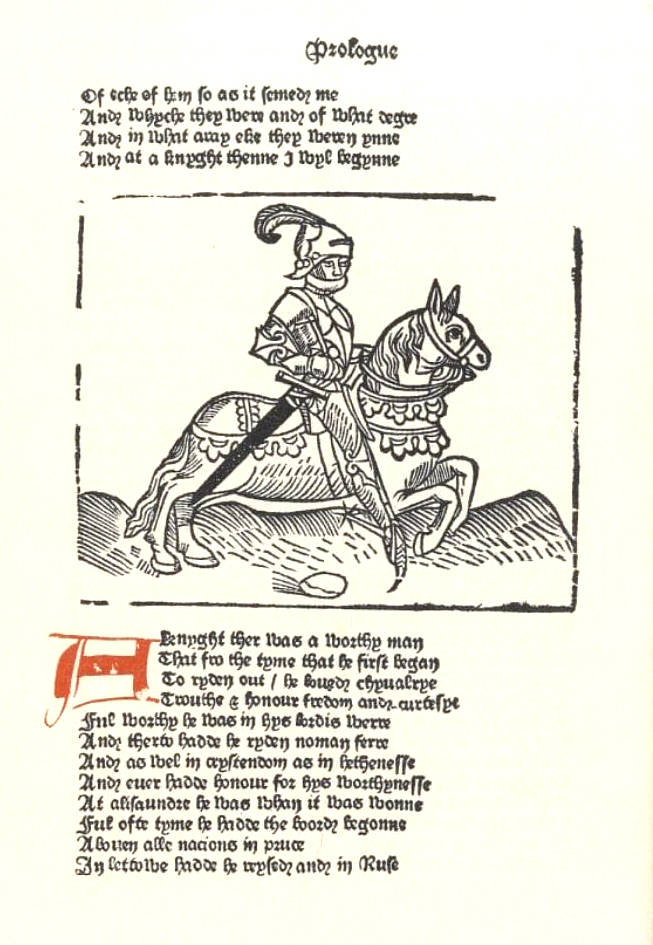 (2)
(2)
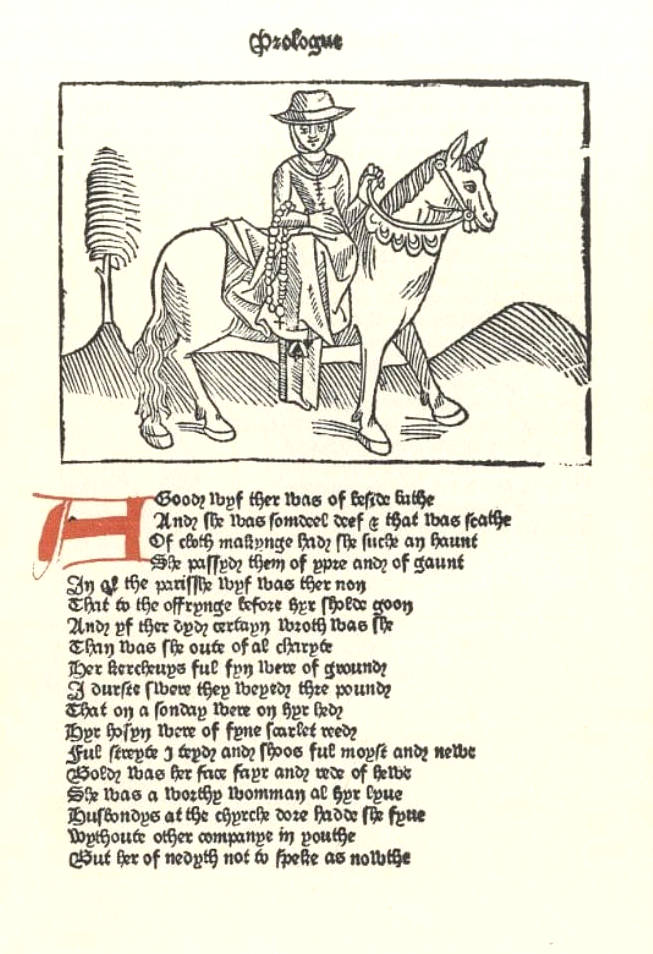 (3)
(3)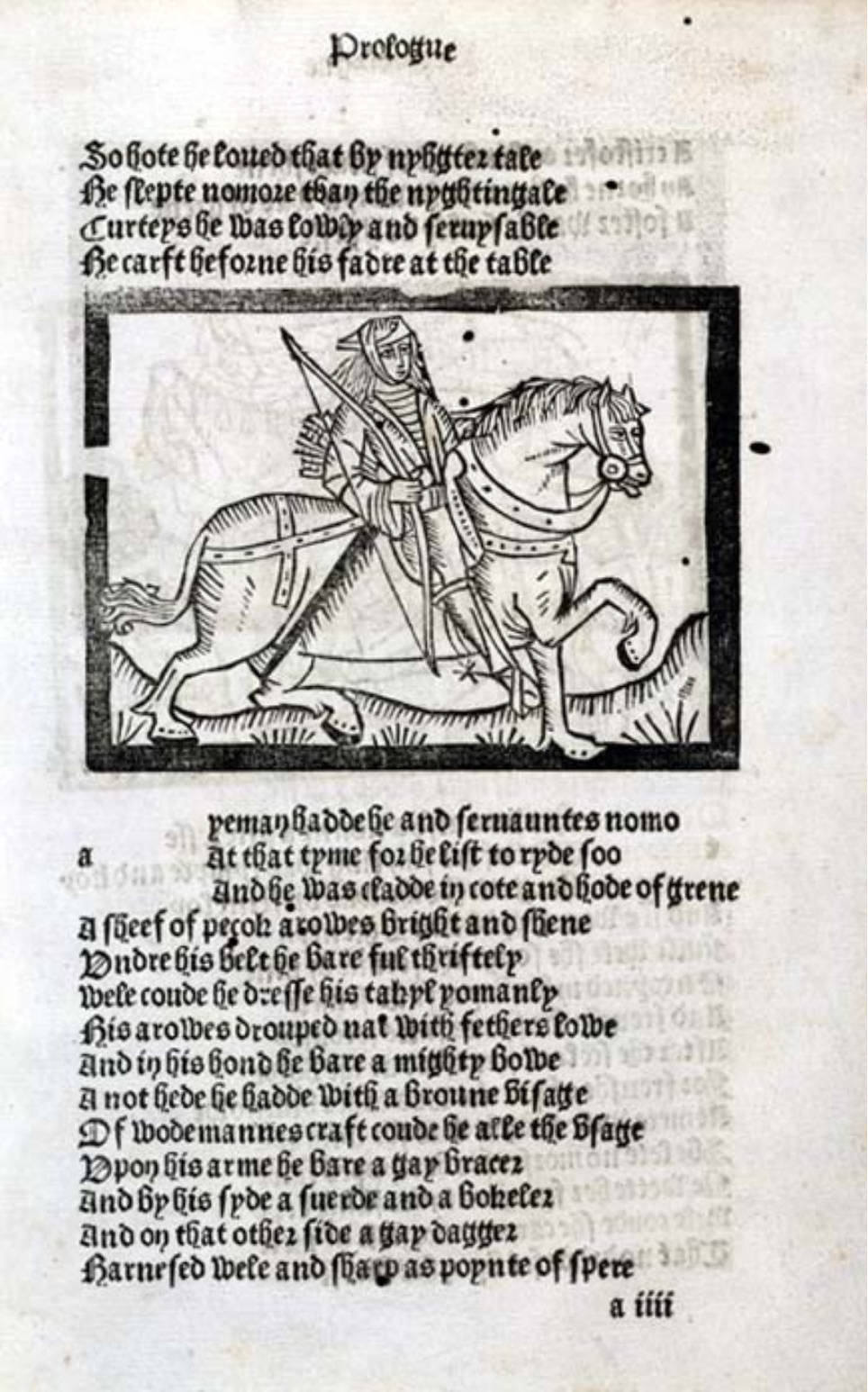 (4)
(4)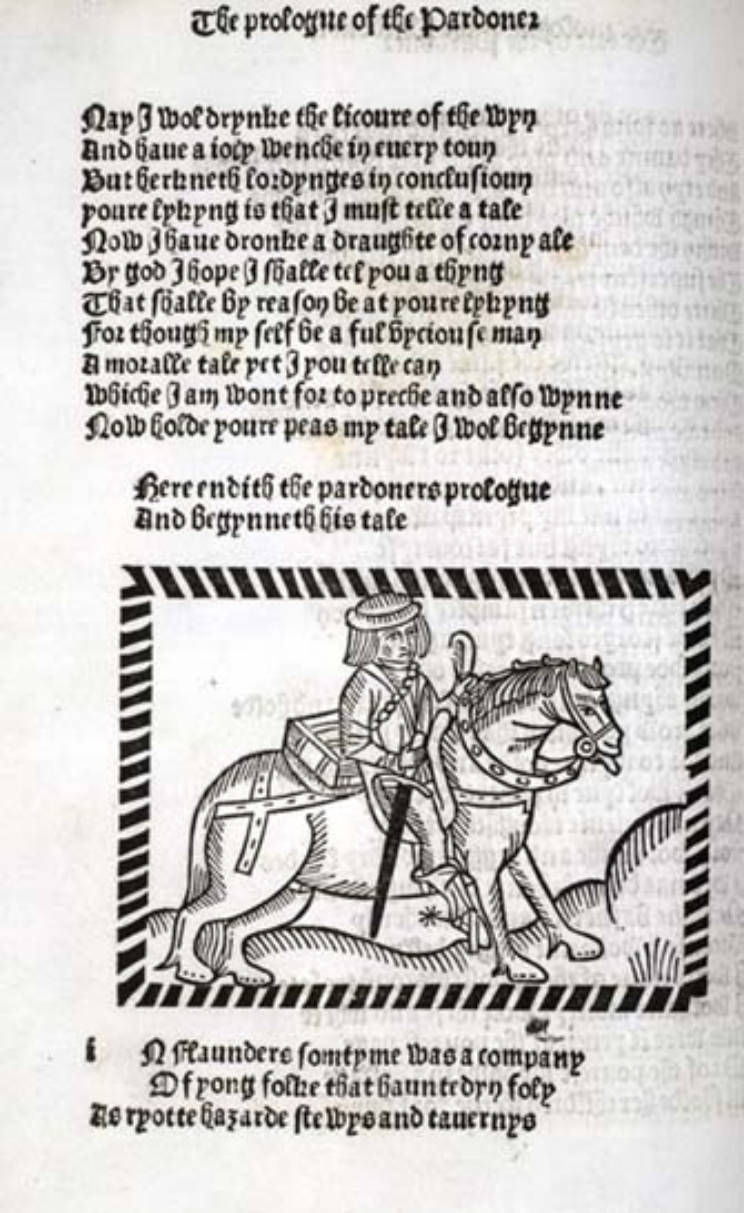
Figure 4 Examples of pages with the image of figures in the Caxton’ Canterbury Tales (1476)[7] and the Pynson’ Canterbury Tales (1476)[8].(1) Caxton, Knight, (2) Caxton, Wife from Bath, (3) Pynson, Yeoman, (4) Pynson, Pardoner.
As far as the Internet was surveyed, the early books that typed the texts of original Middle English and Modern English parallel were
“Old English Poetry: Chaucer’s Canterbury Tales”, edited by Thomas Wright, and Poems, Songs, and Ballads, relating to Robin Hood, edited by Josef Ripson”, New Edition, Published by London, Griffin 1860
and
“Canterbury Tales. Rendered Into Modern English,. With Illustrations by Rockwell Kent and an Introduction by Gordon Hall Gerould”, by Geoffrey Chaucer (Author); J. U. Nicolson (transl.), Rockwell Kent (Illustrator), Garden City Publishing Company, 1934
The General Prologue to The Canterbury Tales basically consist of 856 lines but two more lines have been added, after the Line 252, in the books and articles published in recent decades[9], [10], [11].
For this perusal, the text from the Fordham University[12] website has been adopted.
For reference, as a translation into Modern English, the work by Nevill Coghill[13] is unique and famous but it is not a literal translation and, from around line 56 onwards, the words in lines does not correspond to those in the original Middle English text and the total number of lines have been significantly increased.
The Canterbury Tales have been a favourite subject among English literature scholars around the world and translated into various foreign languages. In Japan, many translations have been published ever since early last century but the styles are various.
The translation by Kenji Kaneko[14] is assumed to be the earliest one but it was written in flat proses to follow the story, so that the artistry of the original poem was inevitably lost.
Tsunenori Karibe and Yoshiharu Tanaka[15] had concluded that a literal translation was impossible and translated the poem paragraph by paragraph in a free verse style.
Michio Masui[16] respected each line and tried to translate it by retaining the poetic atmosphere but the order of lines was changed in many places.
Toshio Watari[17] translated every line in the traditional Japanese seven‐five‐syllable meter, instead of the Lambic pentameters and Rhyming couplets for English. His rich vocabulary that included slangish expressions is stanning, reflecting the traditional education of national language that was forced to be simplified under American occupation, 1945-1952.
The four translations of the first paragraph (28 lines) are compared in Table 1.
| Line |
T. Watari(亘理俊雄)[18] |
M.Masui(桝井迪夫)[19] |
T. Karibe et al (苅部ら)[20] |
K.Kaneko(金子健二) [21] |
|
0 |
(此処にカンタベリー物語の本が始る) |
カンタベリー物語の書ここに始まる。 |
|
|
|
1 |
四月の優しい雨が |
四月がそのやさしきにわか雨を |
四月がその恵みの雨を |
甘露のような四月の雨がひとふりすると,かわききっていた三月の大地が底までうるおい,木木は生気をとりもどし,つぼみ もほころびかけてきた。森の梢や灌木の茂みは西風のかぐわしい呼吸(いき)にふかれて,やわらかい小枝をのばす。 まだ若い太陽は白 羊宮(星座の名。四月になると,太陽は白羊宮と金牛宮のあいだにはいる)に半分はいったところである。一晩じゅう目をあけ て眠っていた小鳥は,節もおもしろくさえずっている。......すべてがこのように活気にあふれるのは,みんな自然の力のおかげ である。 この季節になると,遠い地方の有名な霊剤にもうでたり,外国の岸をふんでみたいと思うものだ。とくにイギリスの諸州から カンタベリー寺院をおとずれ,殉教者の霊廟を拝もうとするものの数は多い。
|
|
2 |
三月の,乾いた根までしみ透り, |
三月のひでりの根にまで滲みとおらせ, |
三月の乾き切った根元まで染み込ませ, |
|
|
3 |
木木は皆,心までしっとり濡れそぼった。 |
樹液の管ひとつひとつをしっとりと |
あらゆる導管を活液で潤し, |
|
|
4 |
お蔭で花が萌えたとき, |
ひたし潤し花も綻びはじめるころ, |
その活力から花が咲き出します頃, |
|
|
5 |
また西風の香ぐほしい,その息ぶきも |
西風もまたその香しきそよ風にて |
また西風のゼフィルスがその香しい息吹を |
|
|
6 |
目ざませて,林やヒースの |
雑木林や木立の柔らかき新芽に息吹をそそぎ, |
いたるところの森や原で |
|
|
7 |
若枝を。又うら若い太陽は, |
若き太陽が白羊宮の中へその行路の半ばを急ぎ行き, |
若芽に吹きかけ, 若い太陽が |
|
|
8 |
白羊宮を半ば馳け, |
小鳥たちは美わしき調べをかなで |
白羊宮の道程の半ばを通過し, |
|
|
9 |
小鳥は樂しく囀づつて, |
夜を通して眼をあけたるままに眠るころ, |
小鳥達がメロディをさえずり, |
|
|
10 |
よるも夜通し,目をあけたまま眠る時 |
―かくも自然は小鳥たちの心をゆさぶる |
一晩中目を開けて眠る頃になりますと, |
|
|
11 |
(こんなにも天然は,彼らの胸をそそるのだ。 |
ちょうどそのころ,人々は巡礼に出かけんと願い, |
それほど自然は彼らの心をかきたてるのですが, |
|
|
12 |
この時人人は,巡禮の旅を思ひたち, |
棕櫚の葉もてる巡礼者は異境を求めて行かんと冀う, |
人々は巡礼の旅に出かけたくなるのです. |
|
|
13 |
また旅僧は,異國の岸べにあこがれて, |
もろもろの国に知られたる |
巡礼者達は異国の岸辺を訪れ, |
|
|
14 |
國々に,遠く聞えた寺々や, |
遥か遠くのお参りどころを求めて。 |
諸国に知れ渡った聖廟へと赴きたくなり, |
|
|
15 |
殊にもさらにイギリスは, |
とりわけ英国各州の津々浦々から |
特にイングランドの津々浦々からは |
|
|
16 |
津々浦々のはしからも, カンタベリーへやつてきて, |
人々はカンタベリーの大聖堂へ,昔病めるとき, |
人々がカンタベリィに向かい |
|
|
17 |
有難い,殉教者様に.詣でては |
癒し給いし聖なる尊き殉教者に |
病気のとき癒して下さった, あの聖なる, |
|
|
18 |
病氣全快の,お禮参りをするのであつた。 |
お参りしようと旅に出る。 |
有難い殉教者に詣でたくなるのです. |
4. Perusal of The General Prologue
The whole lines of The General Prologue to The Canterbury Tales in Middle English, Modern English and Japanese Translation are compared in Table 2.
(Prepared in July, 2022; Revised in July 2025 by Masatoshi Iguchi)
| Line | Middle English | Modern English | Japanese translation |
|
0 |
Here bygynneth the Book of the tales of Caunterbury |
Here begins the Book of the Tales of Canterbury |
(此処にカンタベリー物語の本が始る) |
|
1 |
Whan that aprill with his shoures soote |
When April with his showers sweet with fruit |
四月の優しい雨が |
|
2 |
The droghte of march hath perced to the roote, |
The drought of March has pierced unto the root |
三月の,乾いた根までしみ透り, |
|
3 |
And bathed every veyne in swich licour |
And bathed each vein with liquor that has power |
木木は皆,心までしっとり濡れそぼった。 |
|
4 |
Of which vertu engendred is the flour; |
To generate therein and sire the flower; |
お蔭で花が萌えたとき, |
|
5 |
Whan zephirus eek with his sweete breeth |
When Zephyr also has, with his sweet breath, |
また西風(ゼフィルス)の香ぐほしい,その息ぶきも |
|
6 |
Inspired hath in every holt and heeth |
Quickened again, in every holt and heath, |
目ざませて,林やヒースの |
|
7 |
Tendre croppes, and the yonge sonne |
The tender shoots and buds, and the young sun |
若枝を。又うら若い太陽は, |
|
8 |
Hath in the ram his halve cours yronne, |
Into the Ram one half his course has run, |
白羊宮を半ば馳け, |
|
9 |
And smale foweles maken melodye, |
And many little birds make melody |
小鳥は樂しく囀づつて, |
|
10 |
That slepen al the nyght with open ye |
That sleep through all the night with open eye |
よるも夜通し,目をあけたまま眠る時 |
|
11 |
(so priketh hem nature in hir corages); |
(So Nature pricks them on to ramp and rage)- |
(こんなにも天然(テンネン)は,彼らの胸をそそるのだ)。 |
|
12 |
Thanne longen folk to goon on pilgrimages, |
Then do folk long to go on pilgrimage, |
この時人人は,巡禮の旅を思ひたち, |
|
13 |
And palmeres for to seken straunge strondes, |
And palmers to go seeking out strange strands, |
また旅僧は,異國の岸べにあこがれて, |
|
14 |
To ferne halwes, kowthe in sondry londes; |
To distant shrines well known in sundry lands. |
國々に,遠く聞えた寺々や, |
|
15 |
And specially from every shires ende |
And specially from every shire's end |
殊にもさらにイギリスは, |
|
16 |
Of engelond to caunterbury they wende, |
Of England they to Canterbury wend, |
津々浦々のはしからも, カンタベリーへやつてきて, |
|
17 |
The hooly blisful martir for to seke, |
The holy blessed martyr there to seek |
尊い有難い,殉教者(マルテル)様に詣でては |
|
18 |
That hem hath holpen whan that they were seeke. |
Who helped them when they lay so ill and weal |
病氣全快の,お禮参りをするのであつた。 |
|
19 |
Bifil that in that seson on a day, |
Befell that, in that season, on a day |
丁度こんなシーズンの,或日のことで |
|
20 |
In southwerk at the tabard as I lay |
In Southwark, at the Tabard, as I lay |
私は,サザクの陣羽織屋に陣とつて, |
|
21 |
Redy to wenden on my pilgrymage |
Ready to start upon my pilgrimage |
厚い信神ごころから, カンタベリーへ |
|
22 |
To caunterbury with ful devout corage, |
To Canterbury, full of devout homage, |
巡禮に,出かけませうとしてゐると, |
|
23 |
At nyght was come into that hostelrye |
There came at nightfall to that hostelry |
夕暮れごろにこの宿へ,のりこんだのは |
|
24 |
Wel nyne and twenty in a compaignye, |
Some nine and twenty in a company |
まあ丁度,二十九人の旅の伴れ, |
|
25 |
Of sondry folk, by aventure yfalle |
Of sundry persons who had chanced to fall |
種々様々な人間が,ふと落合つて |
|
26 |
In felaweshipe, and pilgrimes were they alle, |
In fellowship, and pilgrims were they all |
一しよ旅,見れば何れも巡禮で, |
|
27 |
That toward caunterbury wolden ryde. |
That toward Canterbury town would ride. |
カンタベリーの本山へ,騎馬参詣としやれたわけ。 |
|
28 |
The chambres and the stables weren wyde, |
The rooms and stables spacious were and wide, |
この宿は,客間も馬屋もみな廣い, |
|
29 |
And wel we weren esed atte beste. |
And well we there were eased, and of the best. |
それにおまけにサービスも,百パーセントのものだった。 |
|
30 |
And shortly, whan the sonne was to reste, |
And briefly, when the sun had gone to rest, |
やがて太陽も, ふしどへついた時, |
|
31 |
So hadde I spoken with hem everichon |
So had I spoken with them, every one, |
わたしは一座の連中と,四もやまおしゃべりしたりして, |
|
32 |
That I was of hir felaweshipe anon, |
That I was of their fellowship anon, |
まもなくみんなと打解けた, |
|
33 |
And made forward erly for to ryse, |
And made agreement that we'd early rise |
そこで話はまとまって,ちや明朝(ミヨウチョウ)は早起き, |
|
34 |
To take oure wey ther as I yow devyse. |
To take the road, as you I will apprise. |
そこへ御一しよ致しませう,これから語るその場所へ。 |
|
35 |
But nathelees, whil I have tyme and space, |
But none the less, whilst I have time and space, |
しかしまだ,時間もひまもあること故, |
|
36 |
Er that I ferther in this tale pace, |
Before yet farther in this tale I pace, |
このお話に入る前に, |
|
37 |
Me thynketh it acordaunt to resoun |
It seems to me accordant with reason |
分別に,叶つてるやうにも見えるので, |
|
38 |
To telle yow al the condicioun |
To inform you of the state of every one |
私は紹介して見たい,面々の |
|
39 |
Of ech of hem, so as it semed me, |
Of all of these, as it appeared to me, |
有様や,丁度私が見た通り, |
|
40 |
And whiche they weren, and of what degree, |
And who they were, and what was their degree, |
どんな種類の人間で,どんな身分の人々か |
|
41 |
And eek in what array that they were inne; |
And even how arrayed there at the inn; |
又どんな着物をきてゐたか, |
|
42 |
And at a knyght than wol I first bigynne. |
And with a knight thus will I first begin. |
では先づ手始めに,お武家様から始めませう。 |
|
43 |
A knyght ther was, and that a worthy man, |
A knight there was, and he a worthy man, |
ここにゐられた武士(モノノフ)は,由緒も深いさる方で, |
|
44 |
That fro the tyme that he first bigan |
Who, from the moment that he first began |
初めて馬に跨って |
|
45 |
To riden out, he loved chivalrie, |
To ride about the world, loved chivalry, |
諸國修行に出た頃から,武士道や, |
|
46 |
Trouthe and honour, fredom and curteisie. |
Truth, honour, freedom and all courtesy. |
忠義とまた名譽,自由と禮儀を重んじた。 |
|
47 |
Ful worthy was he in his lordes werre, |
Full worthy was he in his liege-lord's war, |
君の馬前に戦って,天晴れ手柄もたてたもの |
|
48 |
And therto hadde he riden, no man ferre, |
And therein had he ridden (none more far) |
且つその遍歴の國々は,何人よりも遠く, |
|
49 |
As wel in cristendom as in hethenesse, |
As well in Christendom as heathenesse, |
キリスト教國,異敎國, |
|
50 |
And evere honoured for his worthynesse. |
And honoured everywhere for worthiness. |
行くところ,武勇の譽れが高かった。 |
|
51 |
At alisaundre he was whan it was wonne. |
At Alexandria, he, when it was won; |
アレキサンドリャ攻めに参加してこれを落しいれ, |
|
52 |
Ful ofte tyme he hadde the bord bigonne |
Full oft the table's roster he'd begun |
プロシャでは,他國の武士の上席で, |
|
53 |
Aboven alle nacions in pruce; |
Above all nations' knights in Prussia. |
幾ども宴にもつらなった。 |
|
54 |
In lettow hadde he reysed and in ruce, |
In Latvia raided he, and Russia, |
リトワニや,及ロシャ遠征にも出かけたが, |
|
55 |
No cristen man so ofte of his degree. |
No christened man so oft of his degree. |
その度かずは同輩の,キリスト教徒も叶はない。 |
|
56 |
In gernade at the seege eek hadde he be |
In far Granada at the siege was he |
グラナダや,包圍攻撃もした |
|
57 |
Of algezir, and riden in belmarye. |
Of Algeciras, and in Belmarie. |
アルゼジを,又ベルマリへも乘りこんだ。 |
|
58 |
At lyeys was he and at satalye, |
At Ayas was he and at Satalye |
レエスにも,またサタリヤにも攻めいつて, |
|
59 |
Whan they were wonne; and in the grete see |
When they were won; and on the Middle Sea |
これを落したものだった。又大海では |
|
60 |
At many a noble armee hadde he be. |
At many a noble meeting chanced to be. |
幾そ度(タビ),大遠征も企てた。 |
|
61 |
At mortal batailles hadde he been fiftene, |
Of mortal battles he had fought fifteen, |
死ぬ程の大激戰にも十五たび, |
|
62 |
And foughten for oure feith at tramyssene |
And he'd fought for our faith at Tramissene |
まつたトラミツセーネでは,我信仰のため戦って, |
|
63 |
In lystes thries, and ay slayn his foo. |
Three times in lists, and each time slain his foe. |
その三度(カヘリ)の仕合には,いつも相手をなぎ倒し。 |
|
64 |
This ilke worthy knyght hadde been also |
This self-same worthy knight had been also |
千軍萬馬のこの武士は,且つて |
|
65 |
Somtyme with the lord of palatye |
At one time with the lord of Palatye |
また,パラテャの君に味方して, |
|
66 |
Agayn another hethen in turkye. |
Against another heathen in Turkey: |
更に異教徒の,トルコ人(ビト)とも見(マミ)えたが, |
|
67 |
And everemoore he hadde a sovereyn prys; |
And always won he sovereign fame for prize. |
いつの日も,武士の精華と仰がれた。 |
|
68 |
And though that he were worthy, he was wys, |
Though so illustrious, he was very wise |
かく程の勇士ではあったが,又,賢くて |
|
69 |
And of his port as meeke as is a mayde. |
And bore himself as meekly as a maid. |
その振舞は,柔和で少女のやうだった。 |
|
70 |
He nevere yet no vileynye ne sayde |
He never yet had any vileness said, |
臍の緒切つてから, どんな階級の人にでも, |
|
71 |
In al his lyf unto no maner wight. |
In all his life, to whatsoever wight. |
雑言(ゾウゴン)わめいたこともない。 |
|
72 |
He was a verray, parfit gentil knyght. |
He was a truly perfect, gentle knight. |
彼こそは,まことに申分もない, とても立派な武士だった。 |
|
73 |
But, for to tellen yow of his array, |
But now, to tell you all of his array, |
しかしその服装(イデタチ)を言ふならば, |
|
74 |
His hors were goode, but he was nat gay. |
His steeds were good, but yet he was not gay. |
駿馬にのつたが,派手ぢやない。 |
|
75 |
Of fustian he wered a gypon |
Of simple fustian wore he a jupon |
着用の,荒布(ファスチャ)の上衣(ウハギヌ)も, |
|
76 |
Al bismotered with his habergeon, |
Sadly discoloured by his habergeon; |
すつかりそれは錆びてゐる,その陣羽織もろ共に。 |
|
77 |
For he was late ycome from his viage, |
For he had lately come from his voyage |
だがこれもつい最近(サッキ),遠征(タビ)から歸ったその足で, |
|
78 |
And wente for to doon his pilgrymage. |
And now was going on this pilgrimage. |
すぐ巡禮にきた爲だ。 |
|
79 |
With hym ther was his sone, a yong squier, |
With him there was his son, a youthful squire, |
後に続いたご息子(ソクシ)は,まだうら若い楯持で, |
|
80 |
A lovyere and a lusty bacheler, |
A lover and a lusty bachelor, |
婚約の,いと明朗な獨り身(パチエラー)だ。 |
|
81 |
With lokkes crulle as they were leyd in presse. |
With locks well curled, as if they'd laid in press. |
その髪の毛は波うつて,まるで鏝(コテ)でもかけたやう, |
|
82 |
Of twenty yeer of age he was, I gesse. |
Some twenty years of age he was, I guess. |
年は二十歳(ハタチ)と見えてゐる。 |
|
83 |
Of his stature he was of evene lengthe, |
In stature he was of an average length, |
その身のたけは中背の |
|
84 |
And wonderly delyvere, and of greet strengthe. |
Wondrously active, aye, and great of strength. |
恐ろしく敏捷な,力は中中すばらしい。 |
|
85 |
And he hadde been somtyme in chyvachie |
He'd ridden sometime with the cavalry |
永いこと,騎士道(ナイト)修業に出てゐたが, |
|
86 |
In flaundres, in artoys, and pycardie, |
In Flanders, in Artois, and Picardy, |
フランドレスやアルトイス,又ピカデーや |
|
87 |
And born hym weel, as of so litel space, |
And borne him well within that little space |
ただのの辛抱と, 正正堂々振舞って |
|
88 |
In hope to stonden in his lady grace. |
In hope to win thereby his lady's grace. |
希望はも,意中の君の愛の中。 |
|
89 |
Embrouded was he, as it were a meede |
Prinked out he was, as if he were a mead, |
刺しう模様のその衣(キヌ)は,まるで牧場(マキバ)や |
|
90 |
Al ful of fresshe floures, whyte and reede. |
All full of fresh-cut flowers white and red. |
紅白の,フレッシュな花が咲きこぼれ。 |
|
91 |
Syngynge he was, or floytynge, al the day; |
Singing he was, or fluting, all the day; |
ひねもす歌をうたったり,笛を吹いたりし通しで, |
|
92 |
He was as fressh as is the month of may. |
He was as fresh as is the month of May. |
彼は宛ら新鮮な,五月の月のやうだつた。 |
|
93 |
Short was his gowne, with sleves longe and wyde. |
Short was his gown, with sleeves both long and wide. |
彼の上衣(ガウン)は短いが,袖は長くてやかで, |
|
94 |
Wel koude he sitte on hors and faire ryde. |
Well could be sit on horse, and fairly ride. |
馬上の颯爽と,馬を巧みにのりこなす。 |
|
95 |
He koude songes make and wel endite, |
He could make songs and words thereto indite, |
歌よむすべも知つてゐて,それを綺麗に書きおろす。 |
|
96 |
Juste and eek daunce, and weel purtreye and write. |
Joust, and dance too, as well as sketch and write. |
槍の仕合も又舞も,繪もまた文字もうまかった。 |
|
97 |
So hoote he lovede that by nyghtertale. |
So hot he loved that, while night told her tale, |
熱烈な戀をして一晩中 |
|
98 |
He sleep namoore than dooth a nyghtyngale. |
He slept no more than does a nightingale. |
眠らず明かしたこともある,夜鳴鶯(ナイチンゲール)みたやうに。 |
|
99 |
Curteis he was, lowely, and servysable, |
Courteous he, and humble, willing and able, |
その身嗜みはしとやかな,腰は低くて世話好で, |
|
100 |
And carf biforn his fader at the table. |
And carved before his father at the table. |
食卓(テーブル)ぢや,父の前で肉を切ってゐた。 |
|
101 |
A yeman hadde he and servantz namo |
A yeoman had he, nor more servants, no, |
後へには足輕が一人ついてくる。 只ひとり, |
|
102 |
At that tyme, for hym liste ride so, |
At that time, for he chose to travel so; |
その方が,氣樂な今度の旅なので。 |
|
103 |
And he was clad in cote and hood of grene. |
And he was clad in coat and hood of green. |
さてこの足輕は,みどりの上に帽子きて, |
|
104 |
A sheef of pecok arwes, bright and kene, |
A sheaf of peacock arrows bright and keen |
キラキラと,孔雀の羽根のするど矢をいれた箙(エビラ)を |
|
105 |
Under his belt he bar ful thriftily, |
Under his belt he bore right carefully |
帶したへ,いからキチンとぶら下げた。 |
|
106 |
(wel koude he dresse his takel yemanly: |
(Well could he keep his tackle yeomanly: |
足輕ふ情(ゼイ)にふさはしく,弓矢の仕末も辨へて, |
|
107 |
His arwes drouped noght with fetheres lowe) |
His arrows had no draggled feathers low), |
矢の羽根も,ひしゃげて萎(シヲ)れなどしない。 |
|
108 |
And in his hand he baar a myghty bowe. |
And in his hand he bore a mighty bow. |
して片手には,大きな弓を持てゐる。 |
|
109 |
A not heed hadde he, with a broun visage. |
A cropped head had he and a sun-browned face. |
頭はザンギリいが栗の, その顔色は赫かつた。 |
|
110 |
Of wodecraft wel koude he al the usage. |
Of woodcraft knew he all the useful ways. |
森狩りのすべも知つてゐる。 |
|
111 |
Upon his arm he baar a gay bracer, |
Upon his arm he bore a bracer gay, |
腕には派手な小手をつけ, |
|
112 |
And by his syde a swerd and a bokeler, |
And at one side a sword and buckler, yea, |
腰にや小楯と,劍を帯び |
|
113 |
And on that oother syde a gay daggere |
And at the other side a dagger bright, |
他の腰の,また美しい脇差しは, |
|
114 |
Harneised wel and sharp as point of spere; |
Well sheathed and sharp as spear point in the light; |
美麗な飾りが施てあつて,尖った槍の穂のやらだ。 |
|
115 |
A cristopher on his brest of silver sheene. |
On breast a Christopher of silver sheen. |
輝く銀の胸當ては,狩神(クリストファ)様の像をつけ, |
|
116 |
An horn he bar, the bawdryk was of grene; |
He bore a horn in baldric all of green; |
角(ツノ)笛も携へて,そのさげ紐は緑(アヲ)かつた。 |
|
117 |
A forster was he, soothly, as I gesse. |
A forester he truly was, I guess. |
てつきりこ奴は狩番と, そこで私は見てとった。 |
|
118 |
Ther was also a nonne, a prioresse, |
There was also a nun, a prioress, |
ここに,一人尼僧がゐられたが,さある尼院の院長で, |
|
119 |
That of hir smylyng was ful symple and coy; |
Who, in her smiling, modest was and coy; |
そのほ笑みは飾りなく,いとつつましやかだった。 |
|
120 |
Hire gretteste ooth was but by seinte loy; |
Her greatest oath was but "By Saint Eloy!" |
誓言も,聖(セント)ロイ様におかけ申して,が關の山。 |
|
121 |
And she was cleped madame eglentyne. |
And she was known as Madam Eglantine. |
その名は,マダム・エグレンテーヌとか。 |
|
122 |
Ful weel she soong the service dyvyne, |
Full well she sang the services divine, |
お勤めの,聖歌も大へんよく歌ひ, |
|
123 |
Entuned in hir nose ful semely, |
Intoning through her nose, becomingly; |
昴にかつて品がよい。 |
|
124 |
And frenssh she spak ful faire and fetisly, |
And fair she spoke her French, and fluently, |
佛蘭西語(フレンチ)もお上手に,とても優美に話したが, |
|
125 |
After the scole of stratford atte bowe, |
After the school of Stratford-at-the-Bow, |
それはバウのストラット フォルドの流れを汲んでゐた, |
|
126 |
For frenssh of parys was to hire unknowe. |
For French of Paris was not hers to know. |
パリのフレンチは,彼女に不案内だつたので。 |
|
127 |
At mete wel ytaught was she with alle: |
At table she had been well taught withal, |
この上に,食事の作法も明るくて |
|
128 |
She leet no morsel from hir lippes falle, |
And never from her lips let morsels fall, |
どんな喰べかけも,唇(クチ)からこぼしもしなかった, |
|
129 |
Ne wette hir fyngres in hir sauce depe; |
Nor dipped her fingers deep in sauce, but ate |
または指などビッショリと,ソースの中に浸したり。 |
|
130 |
Wel koude she carie a morsel and wel kepe |
With so much care the food upon her plate |
喰べものを,きれいにこはび,氣をつけて |
|
131 |
That no drope ne fille upon hire brest. |
That never driblet fell upon her breast. |
雫(シヅク)一たれも,胸べへ落すこともない。 |
|
132 |
In curteisie was set ful muchel hir lest. |
In courtesy she had delight and zest. |
お行儀のよいことが,彼女の大きな喜びだ。 |
|
133 |
Hir over-lippe wyped she so clene |
Her upper lip was always wiped so clean |
上唇はさつぱりふいて, |
|
134 |
That in hir coppe ther was no ferthyng sene |
That in her cup was no iota seen |
茶碗(コップ)にやほんのチョッピリの, |
|
135 |
Of grece, whan she dronken hadde hir draughte. |
Of grease, when she had drunk her draught of wine. |
口脂(アカ)もみせずに水をのむ。 |
|
136 |
Ful semely after hir mete she raughte. |
Becomingly she reached for meat to dine. |
いとしとやかに食事して, |
|
137 |
And sikerly she was of greet desport, |
And certainly delighting in good sport, |
しかもさもさも樂しそう。 |
|
138 |
And ful plesaunt, and amyable of port, |
She was right pleasant, amiable- in short. |
物腰は,もう心地よく奥床しい。 |
|
139 |
And peyned hire to countrefete cheere |
She was at pains to counterfeit the look |
彼女が日頃心懸け,まねぶ作法は |
|
140 |
Of court, and to been estatlich of manere, |
Of courtliness, and stately manners took, |
御殿風,そのたゞすまひは氣品あり, |
|
141 |
And to ben holden digne of reverence. |
And would be held worthy of reverence. |
見るからに,崇敬の念が湧いてくる。 |
|
142 |
But, for to speken of hire conscience, |
But, to say something of her moral sense, |
だがその氣立を言ふならば, |
|
143 |
She was so charitable and so pitous |
She was so charitable and piteous |
いと慈悲深く優して, |
|
144 |
She wolde wepe, if that she saugh a mous |
That she would weep if she but saw a mouse |
泪を流す程だつた,もしも小鼠が, |
|
145 |
Kaught in a trappe, if it were deed or bledde. |
Caught in a trap, though it were dead or bled. |
囚はれの罠の中,死んだり,血を流したりしてゐると。 |
|
146 |
Of smale houndes hadde she that she fedde |
She had some little dogs, too, that she fed |
小犬を少し飼ってたが,その喰べものは |
|
147 |
With rosted flessh, or milk and wastel-breed. |
On roasted flesh, or milk and fine white bread. |
やき肉や,ミルクや,ワッスル・パンだった。 |
|
148 |
But soore wepte she if oon of hem were deed, |
But sore she'd weep if one of them were dead, |
そして,心痛めて泣いたのだ,その一匹がもし死ぬと, |
|
149 |
Or if men smoot it with a yerde smerte; |
Or if men smote it with a rod to smart: |
また人に,笞(ムチ)などひどくぶたれると, |
|
150 |
And al was conscience and tendre herte. |
For pity ruled her, and her tender heart. |
彼女は全く憐みと,優しい心の人だった。 |
|
151 |
Ful semyly hir wympul pynched was, |
Right decorous her pleated wimple was; |
尼頭巾(ウイムペ)は,ほんに品よく編んである。 |
|
152 |
Hir nose tretys, hir eyen greye as glas, |
Her nose was fine; her eyes were blue as glass; |
鼻の形も美しく,その目は青くて玻璃のやら, |
|
153 |
Hir mouth ful smal, and therto softe and reed; |
Her mouth was small and therewith soft and red; |
口元はとても小さくて,又軟かで赤かった, |
|
154 |
But sikerly she hadde a fair forheed; |
But certainly she had a fair forehead; |
しかしそれよりも,額(ヒタイ)は一きは秀麗で, |
|
155 |
It was almoost a spanne brood, I trowe; |
It was almost a full span broad, I own, |
いやきつと,さは指尺(スパン)程あるが, |
|
156 |
For, hardily, she was nat undergrowe. |
For, truth to tell, she was not undergrown. |
これもそりや,小ぶりな女ぢゃないからだ。 |
|
157 |
Ful fetys was hir cloke, as I was war. |
Neat was her cloak, as I was well aware. |
その長やかなまんとうは,大へん雅(ミヤ)びに見えてゐる。 |
|
158 |
Of smal coral aboute hire arm she bar |
Of coral small about her arm she'd bear |
小粒なさんごの玉珠(ジュ)すも,腕(カナヒ)に |
|
159 |
A peire of bedes, gauded al with grene, |
A string of beads and gauded all with green; |
一連(レン)ないてゐて,その親玉は青かった。 |
|
160 |
And theron heng a brooch of gold ful sheene, |
And therefrom hung a brooch of golden sheen |
その上に,ピカピカ光る黄金の,飾ボタンを |
|
161 |
On which ther was first write a crowned a, |
Whereon there was first written a crowned "A," |
上部にはA宇冠(カンムリ)がほつてあり,垂れてるが, |
|
162 |
And after amor vincit omnia. |
And under, Amor vincit omnia. |
その下には,慈悲は一切を征服する,と刻んであった。 |
|
163 |
Another nonne with hire hadde she, |
Another little nun with her had she, |
彼女(尼僧)には従(ツ)いてきた,その輪番の |
|
164 |
That was hir chapeleyne, and preestes thre. |
Who was her chaplain; and of priests she'd three. |
尼さんと,尚三人の僧もまた。 |
|
165 |
A monk ther was, a fair for the maistrie,, |
A monk there was, one made for mastery, |
修道僧も一人ゐた,すてきに愉快な人間で, , |
|
166 |
An outridere, that lovede venerie, |
An outrider, who loved his venery; |
檀家廻りの役自だが,狩に現(ウツツ)をぬかしてる。 |
|
167 |
A manly man, to been an abbot able. |
A manly man, to be an abbot able. |
男らしい男で僧院長(アボット)様も,勤まるほどの腕まへだ。 |
|
168 |
Ful many a deyntee hors hadde he in stable, |
Full many a blooded horse had he in stable: |
厩には,駿馬を多く蓄へて, |
|
169 |
And whan he rood, men myghte his brydel heere |
And when he rode men might his bridle hear |
彼氏が馬をかる時は,金具の響が |
|
170 |
Gynglen in a whistlynge wynd als cleere |
A-jingling in the whistling wind as clear, |
りんりんと,颯颯の風に冴えかへり, |
|
171 |
And eek as loude as dooth the chapel belle. |
Aye, and as loud as does the chapel bell |
炙らうらうと高鳴って,このおんが庵りする |
|
172 |
Ther as this lord was kepere of the celle, |
Where this brave monk was of the cell. |
寺院の鐘をあざむいた。 |
|
173 |
The reule of seint maure or of seint beneit, |
The rule of Maurus or Saint Benedict, |
モール上人(ショウニン)や,ベネット様の誡めは, |
|
174 |
By cause that it was old and somdel streit |
By reason it was old and somewhat strict, |
古臭くて少し,固うすぎる,てな譯で |
|
175 |
This ilke monk leet olde thynges pace, |
This said monk let such old things slowly pace |
この坊さん,時代物などは,とんと振きつて, |
|
176 |
And heeld after the newe world the space. |
And followed new-world manners in their place. |
アラモードな生活を追ってゐる。 |
|
177 |
He yaf nat of that text a pulled hen, |
He cared not for that text a clean-plucked hen |
こんな經文は,挘鶏(ムシドリ)ほども省みない―― |
|
178 |
That seith that hunters ben nat hooly men, |
Which holds that hunters are not holy men; |
曰く,狩する者は不淨のものなりと, |
|
179 |
Ne that a monk, whan he is recchelees, |
Nor that a monk, when he is cloisterless, |
また曰く,僧にして,寺院なきは |
|
180 |
Is likned til a fissh that is waterlees, -- |
Is like unto a fish that's waterless; |
その水を,離れし魚に似たりとか, |
|
181 |
This is to seyn, a monk out of his cloystre. |
That is to say, a monk out of his cloister. |
つまり,お寺もうちそとの,うろつき坊ずにあてたのだ。 |
|
182 |
But thilke text heeld he nat worth an oystre; |
But this same text he held not worth an oyster; |
しかし,こんな聖言(コトバ)は彼氏には,牡蠣一つぶの値うちもない。 |
|
183 |
And I seyde his opinion was good. |
And I said his opinion was right good. |
そこで私もこう言った,貴僧の説は尤もです。 |
|
184 |
What sholde he studie and make hymselven wood, |
What? Should he study as a madman would |
一體どうした譯だらう,亂心する程日もすがら, |
|
185 |
Upon a book in cloystre alwey to poure, |
Upon a book in cloister cell? Or yet |
僧院なんどに閉ぢこもり,讀經(ドクキョ)に浮身をやつすとは。 |
|
186 |
Or swynken with his handes, and laboure, |
Go labour with his hands and swink and sweat, |
オーステンの命のまい,あくせく手工(テナベ)や勞働(シゴト)やら, |
|
187 |
As austyn bit? how shal the world be served? |
As Austin bids? How shall the world be served? |
かまけてゐたらそのざまで,どうしてこの世が救はれやう, |
|
188 |
Lat austyn have his swynk to hym reserved! |
Let Austin have his toil to him reserved. |
苦行難行は,オーステン様に任せて置けよ。 |
|
189 |
Therfore he was a prikasour aright: |
Therefore he was a rider day and night; |
そこで彼氏には,斷然馬を嗜んだ。 |
|
190 |
Grehoundes he hadde as swift as fowel in flight; |
Greyhounds he had, as swift as bird in flight. |
狩犬(グレーハウンド)も飼ってるが, 皆,飛(ヒ)鳥のやうにすばしこい。 |
|
191 |
Of prikyng and of huntyng for the hare |
Since riding and the hunting of the hare |
激しく馬をかること,兎の後を追ふことが, |
|
192 |
Was al his lust, for no cost wolde he spare. |
Were all his love, for no cost would he spare. |
何よりの樂しみで,この爲にや, 一文の金も惜しまない。 |
|
193 |
I seigh his sleves purfiled at the hond |
I saw his sleeves were purfled at the hand |
見れば,その袖口のへり取りは |
|
194 |
With grys, and that the fyneste of a lond; |
With fur of grey, the finest in the land; |
灰色の毛皮(ケゴロモ)で,國中切つての逸品だ。 |
|
195 |
And, for to festne his hood under his chyn, |
Also, to fasten hood beneath his chin, |
顎下(アゴシタ)の,また僧帽のとめ金は, |
|
196 |
He hadde of gold ywroght a ful curious pyn; |
He had of good wrought gold a curious pin: |
黄金づくりの精巧な,ピンで |
|
197 |
A love-knotte in the gretter ende ther was. |
A love-knot in the larger end there was. |
その太端(フトハシ)にや惷の結びを結んでる。 |
|
198 |
His heed was balled, that shoon as any glas, |
His head was bald and shone like any glass, |
頭は禿げてテカテカと,鏡のようで |
|
199 |
And eek his face, as he hadde been enoynt. |
And smooth as one anointed was his face. |
顔も,油で磨きあげたやう。 |
|
200 |
He was a lord ful fat and in good poynt; |
Fat was this lord, he stood in goodly case. |
彼こそはでつぷりと,脂肪肥りの大人(ダイジン)風, |
|
201 |
His eyen stepe, and rollynge in his heed, |
His bulging eyes he rolled about, and hot |
その眼は燗々(ケイケイ)と,頭の中でギョロついて, |
|
202 |
That stemed as a forneys of a leed; |
They gleamed and red, like fire beneath a pot; |
まるで大釜の,嘘の火のやうに燃えてゐる。 |
|
203 |
His bootes souple, his hors in greet estaat. |
His boots were soft; his horse of great estate. |
長靴もしなやかで,馬は逸物 |
|
204 |
Now certeinly he was a fair prelaat; |
Now certainly he was a fine prelate: |
どうみても,天晴れ,大僧正と言った格, |
|
205 |
He was nat pale as a forpyned goost. |
He was not pale as some poor wasted ghost. |
の餓鬼とはこと異ひ,青ざめんなどしてゐない。 |
|
206 |
A fat swan loved he best of any roost. |
A fat swan loved he best of any roast. |
燒肉も,油ののつた白鳥が,大好物で |
|
207 |
His palfrey was as broun as is a berye. |
His palfrey was as brown as is a berry. |
乘り馬は,栗毛で苺の色だった。 |
|
208 |
A frere ther was, a wantowne and a merye, |
A friar there was, a wanton and a merry, |
托鉢僧も一人ゐた。こだはらぬ,快活な |
|
209 |
A lymytour, a ful solempne man. |
A limiter, a very festive man. |
鑑札持で,そりや堂々としてをつた。 |
|
210 |
In alle the ordres foure is noon that kan |
In all the Orders Four is none that can |
すべての四宗派で,この僧ほどに |
|
211 |
So muchel of daliaunce and fair langage. |
Equal his gossip and his fair language. |
漫談(ゴシップ)や,辯舌巧者(コウシャ)な男はない。 |
|
212 |
He hadde maad ful many a mariage |
He had arranged full many a marriage |
ずいぶん多勢(タゼイ)の娘ご衆に, |
|
213 |
Of yonge wommen at his owene cost. |
Of women young, and this at his own cost. |
花聟さんも探してやつて,しかも費用は自分持, |
|
214 |
Unto his ordre he was a noble post. |
Unto his order he was a noble post. |
彼こそは巳が宗門の,大黑柱であつたのだ。 |
|
215 |
Ful wel biloved and famulier was he |
Well liked by all and intimate was he |
行く所その土地の,豪農衆にも |
|
216 |
With frankeleyns over al in his contree, |
With franklins everywhere in his country, |
氣に入りで,また仲よしで |
|
217 |
And eek with worthy wommen of the toun; |
And with the worthy women of the town: |
また町の女房にもそうだった。 |
|
218 |
For he hadde power of confessioun, |
For at confessing he'd more power in gown |
これは懺悔式の權限は, |
|
219 |
As seyde hymself, moore than a curat, |
(As he himself said) than it good curate, |
彼自身の言ばでは,住職よりも大きいが, |
|
220 |
For of his ordre he was licenciat. |
For of his order he was licentiate. |
本山の特許を持つてゐるからだ。 |
|
221 |
Ful swetely herde he confessioun, |
He heard confession gently, it was said, |
中中優しくざんげを聞いて, |
|
222 |
And plesaunt was his absolucioun: |
Gently absolved too, leaving naught of dread. |
冤罪式も愉快であつた。 |
|
223 |
He was an esy man to yeve penaunce, |
He was an easy man to give penance |
しかも,好んで贖罪(ショクザイ)をあげるのは, |
|
224 |
Ther as he wiste to have a good pitaunce. |
When knowing he should gain a good pittance; |
してたお布施(フセ)にありつくと,彼が知ってる家だった。 |
|
225 |
For unto a povre ordre for to yive |
For to a begging friar, money given |
だって貧乏寺に喜捨することは, |
|
226 |
Is signe that a man is wel yshryve; |
Is sign that any man has been well shriven. |
立派なざんけの,しるしだからだ。 |
|
227 |
For if he yaf, he dorste make avaunt, |
For if one gave (he dared to boast of this), |
そうすりや僧はこの風に,ふれて廻ると言ふで, |
|
228 |
He wiste that a man was repentaunt; |
He took the man's repentance not amiss. |
彼のざんげは,愚僧が證人でござるぞよ。 |
|
229 |
For many a man so hard is of his herte, |
For many a man there is so hard of heart |
大抵の人は,心があんまり固くなで, |
|
230 |
He may nat wepe, althogh hym soore smerte. |
He cannot weep however pains may smart. |
泪も流れぬが,ほんに苦しい胸の中, |
|
231 |
Therfore in stede of wepynge and preyeres |
Therefore, instead of weeping and of prayer, |
だから泣いたり,祈ったりするよりは |
|
232 |
Men moote yeve silver to the povre freres. |
Men should give silver to poor friars all bare. |
貧しい坊さんに,銀貨を握らす方がよい。 |
|
233 |
His typet was ay farsed ful of knyves |
His tippet was stuck always full of knives |
彼は頭巾に一杯の,ナイフやピンを |
|
234 |
And pynnes, for to yeven faire wyves. |
And pins, to give to young and pleasing wives. |
つめこんで,美しい女房衆に呉れてやる。 |
|
235 |
And certeinly he hadde a murye note: |
And certainly he kept a merry note: |
成程な,愉快な歌も知つてゐて, |
|
236 |
Wel koude he synge and pleyen on a rote; |
Well could he sing and play upon the rote. |
素的に歌ったり,琴(ロート)を弾いたりできたのだ。 |
|
237 |
Of yeddynges he baar outrely the pris. |
At balladry he bore the prize away. |
歌にかけては賞品は,全く一人で占めてくる。 |
|
238 |
His nekke whit was as the flour-de-lys; |
His throat was white as lily of the May; |
その首すぢは眞白で,百合の花にも似てゐるが, |
|
239 |
Therto he strong was as a champioun. |
Yet strong he was as ever champion. |
力は闘士のやうだつた。 |
|
240 |
He knew the tavernes wel in every toun |
In towns he knew the taverns, every one, |
町々の酒場酒場もくはしくて, |
|
241 |
And everich hostiler and tappestere |
And every good host and each barmaid too- |
その大將や,女將もみんな親しいが, |
|
242 |
Bet than a lazar or a beggestere; |
Better than begging lepers, these he knew. |
癩病(ライヤ)みや,乞食にや壁もひつかけない。 |
|
243 |
For unto swich a worthy man as he |
For unto no such solid man as he |
一體,こんな由緒の方が, |
|
244 |
Acorded nat, as by his facultee, |
Accorded it, as far as he could see, |
己が身分に係ることだ, |
|
245 |
To have with sike lazars aqueyntaunce. |
To have sick lepers for acquaintances. |
癩病(ラザロ)風ぜいと知合だなんて。 |
|
246 |
It is nat honest, it may nat avaunce, |
There is no honest advantageousness |
それは,名譽でも利益でもないだらう, |
|
247 |
For to deelen with no swich poraille, |
In dealing with such poverty-stricken curs; |
貧乏人と相手になつて, |
|
248 |
But al with riche and selleres of vitaille. |
It's with the rich and with big victuallers. |
金持ちや,酒屋の主人(アルジ)をさしをくなんて。 |
|
249 |
And over al, ther as profit sholde arise, |
And so, wherever profit might arise, |
そこでどこでも儲かる方へ |
|
250 |
Curteis he was and lowely of servyse. |
Courteous he was and humble in men's eyes. |
腰低う,頭さげさげからまつた。 |
|
251 |
Ther nas no man nowher so vertuous. |
There was no other man so virtuous. |
これ程の,凄うで男はどこにもない。 |
|
252 |
He was the beste beggere in his hous; | He was the finest beggar of his house; |
彼こそは,寺一番の貰ひ手で, |
|
252a |
(and yaf a certeyne ferme for the graunt; |
A certain district being farmed to him, |
ー |
|
252b |
Noon of his bretheren cam ther in his haunt;) |
None of his brethren dared approach its rim; |
― |
|
253 |
For thogh a wydwe hadde noght a sho, |
For though a widow had no shoes to show, |
例へば靴なしやもめでも, |
|
254 |
So plesaunt was his in principio, |
For though a widow had no shoes to show, |
例へば靴なしやもめでも, |
|
255 |
Yet wolde he have a ferthyng, er he wente. |
He always got a farthing ere he went. |
一文なりと臍繰(ヘソクリ)りをせしめてるが |
|
256 |
His purchas was wel bettre than his rente. |
He lived by pickings, it is evident. |
その額(ガク)は,定收(ジョウシュ)もとても足許だ。 |
|
257 |
And rage he koude, as it were right a whelp. |
And he could romp as well as any whelp. |
彼は敏捷で,丁度小犬のやうだった。 |
|
258 |
In love-dayes ther koude he muchel help, |
On love days could he be of mickle help. |
裁日(サイビ)には,何くれとなく世話やくが, |
|
259 |
For ther he was nat lyk a cloysterer |
For there he was not like a cloisterer, |
貧乏書生よろしくの,すり切れ袈裟きた |
|
260 |
With a thredbare cope, as is a povre scoler, |
With threadbare cope as is the poor scholar, |
虚無僧が,やつれ姿とこと變り, そこぢや |
|
261 |
But he was lyk a maister or a pope. |
But he was like a lord or like a pope. |
殿様か,法王様然と構えてる。 |
|
262 |
Of double worstede was his semycope, |
Of double worsted was his semi-cope, |
双子毛(フタコゲ)づくりのうちかけは, |
|
263 |
That rounded as a belle out of the presse. |
That rounded like a bell, as you may guess. |
鑄型をはづしたホヤホヤの,梵鐘(ボンショ)のやうに丸かつた。 |
|
264 |
Somwhat he lipsed, for his wantownesse, |
He lisped a little, out of wantonness, |
幾分舌はもつれたが,それは型に捉はれて |
|
265 |
To make his englissh sweete upon his tonge; |
To make his English soft upon his tongue; |
美しい,英語を話そとする爲だ。 |
|
266 |
And in his harpyng, whan that he hadde songe, |
And in his harping, after he had sung, |
彈琴歌を絡へたとき, |
|
267 |
His eyen twynkled in his heed aryght, |
His two eyes twinkled in his head as bright |
その目は顔に輝いて,丁度 |
|
268 |
As doon the sterres in the frosty nyght. |
As do the stars within the frosty night. |
霜夜の星のやうだった。 |
|
269 |
This worthy lymytour was cleped huberd. |
This worthy limiter was named Hubert. |
此立派な鑑札僧の名は,ヒューベルトとか呼んでゐた。 |
|
270 |
A marchant was ther with a forked berd, |
There was a merchant with forked beard, and girt |
商人も一人ゐた。尖った髯(ヒゲ)をピンと立て, |
|
271 |
In mottelee, and hye on horse he sat; |
In motley gown, and high on horse he sat, |
色とりどりのひで,馬上豊かにのってくる。 |
|
272 |
Upon his heed a flaundryssh bever hat, |
Upon his head a Flemish beaver hat; |
フランダの海狸(ビーバ)の帽子を戴いて, |
|
273 |
His bootes clasped faire and fetisly. |
His boots were fastened rather elegantly. |
長靴の留金も,優美にキチンとつけてゐた。 |
|
274 |
His resons he spak ful solempnely, |
His spoke his notions out right pompously, |
彼は己れの意見をば,勿體らし述べたてる。 |
|
275 |
Sownynge alwey th' encrees of his wynnyng. |
Stressing the times when he had won, not lost. |
然し自分の懐(フトコロ)を肥すにや始終拔りがない。 |
|
276 |
He wolde the see were kept for any thyng |
He would the sea were held at any cost |
曰く,どんな犠牲を拂つても,守って置きい海上は, は |
|
277 |
Bitwixe middelburgh and orewelle. |
Across from Middleburgh to Orwell town. |
オーウェルと,ミッドルバラの間だわい。 |
|
278 |
Wel koude he in eschaunge sheeldes selle. |
At money-changing he could make a crown. |
楯(シールド)紋小判の兩換で,儲けるすべも鮮かだ。 |
|
279 |
This worthy man ful wel his wit bisette: |
This worthy man kept all his wits well set; |
この先生,中中小才が利く奴で, |
|
280 |
Ther wiste no wight that he was in dette, |
There was no one could say he was in debt, |
彼に借金があることを,知ってる者は誰もない。 |
|
281 |
So estatly was he of his governaunce |
So well he governed all his trade affairs |
それ程應揚(オウヨ)に身構えて |
|
282 |
With his bargaynes and with his chevyssaunce. |
With bargains and with borrowings and with shares. |
商賣や金貸しなんどやつてゐる。 |
|
283 |
For sothe he was a worthy man with alle, |
Indeed, he was a worthy man withal, |
いや,全く立派な人間だ, |
|
284 |
But, sooth to seyn, I noot how men hym calle. |
But, sooth to say, his name I can't recall. |
が實は世間では,何と呼んでゐたかは分らない |
|
285 |
A clerk ther was of oxenford also, |
A clerk from Oxford was with us also, |
牛津(ギュウシン)の,神學生も一人ゐた。 |
|
286 |
That unto logyk hadde longe ygo. |
Who'd turned to getting knowledge, long ago. |
彼は多年論理(ロジック)を研究してをつた。 |
|
287 |
As leene was his hors as is a rake, |
As meagre was his horse as is a rake, |
その馬は,熊手のやうに痩せてるが, |
|
288 |
And he nas nat right fat, I undertake, |
Nor he himself too fat, I'll undertake, |
誓言,彼だつて,大して肥えた方ぢやない。 |
|
289 |
But looked holwe, and therto sobrely. |
But he looked hollow and went soberly. |
いや空腹(ヒモジ)げに見えてゐる,だが眞面目な眼ざしだ。 |
|
290 |
Ful thredbare was his overeste courtepy; |
Right threadbare was his overcoat; for he |
全くの,絲目の擦れた羽織だが, |
|
291 |
For he hadde geten hym yet no benefice, |
Had got him yet no churchly benefice, |
それはまだ寺持僧でもなかったし, |
|
292 |
Ne was so worldly for to have office. |
Nor was so worldly as to gain office. |
また内職を漁るほど,俗惡びてもない故(セイ)だ。 |
|
293 |
For hym was levere have at his beddes heed |
For he would rather have at his bed's head |
何故ならば,彼の趣味とは枕べに, |
|
294 |
Twenty bookes, clad in blak or reed, |
Some twenty books, all bound in black and red, |
二十冊も持つことだ,黑い表紙や赤などの, |
|
295 |
Of aristotle and his philosophie, |
Of Aristotle and his philosophy |
アリストトルの哲學を, |
|
296 |
Than robes riche, or fithele, or gay sautrie. |
Than rich robes, fiddle, or gay psaltery. |
美々しう飾ったひや,琵琶や陽氣な琴よりは。 |
|
297 |
But al be that he was a philosophre, |
Yet, and for all he was philosopher, |
して彼は,フィロソフェルにも係らず, |
|
298 |
Yet hadde he but litel gold in cofre; |
He had but little gold within his coffer; |
錢画の,金貨は殆ど空っぽだ。 |
|
299 |
But al that he myghte of his freendes hente, |
But all that he might borrow from a friend |
みうちから金を貰っても,残らず |
|
300 |
On bookes and on lernynge he it spente, |
On books and learning he would swiftly spend, |
本や研究に,それを費(ツカ)つて了ふのだ。 |
|
301 |
And bisily gan for the soules preye |
And then he'd pray right busily for the souls |
そして熱心に祈禱する,霊のため |
|
302 |
Of hem that yaf hym wherwith to scoleye. |
Of those who gave him wherewithal for schools. |
彼に學資をば,貢いでくれる人人の。 |
|
303 |
Of studie took he moost cure and moost heede, |
Of study took he utmost care and heed. |
學間にや,深い注意と愛着を,しつかともつて |
|
304 |
Noght o word spak he moore than was neede, |
Not one word spoke he more than was his need; |
無駄口は,一言句もたたかない。 |
|
305 |
And that was seyd in forme and reverence, |
And that was said in fullest reverence |
だが口を開けば作法に叶ってうやうやしい, |
|
306 |
And short and quyk and ful of hy sentence; |
And short and quick and full of high good sense. |
又簡潔で生き生きと,深長な意味を持つてゐる。 |
|
307 |
Sownynge in moral vertu was his speche, |
Pregnant of moral virtue was his speech; |
彼のお話しは,善徳を鼓吹するもので, |
|
308 |
And gladly wolde he lerne and gladly teche. |
And gladly would he learn and gladly teach. |
喜んで學び,喜んでうるのであつた。 |
|
309 |
A sergeant of the lawe, war and wys, |
A sergeant of the law, wary and wise, |
辯護士で,用心深いし賢いし, |
|
310 |
That often hadde been at the parvys, |
Who'd often gone to Paul's walk to advise, |
幾たびもかの階段に,列したほどの |
|
311 |
Ther was also, ful riche of excellence. |
There was also, compact of excellence. |
方もゐた。中中秀でた人物で, |
|
312 |
Discreet he was and of greet reverence -- |
Discreet he was, and of great reverence; |
分別にも富んでをり,大へん尊とい |
|
313 |
He semed swich, his wordes weren so wise. |
At least he seemed so, his words were so wise. |
様子だが,口な言ばを言ふからだ。 |
|
314 |
Justice he was ful often in assise, |
Often he sat as justice in assize, |
判官として幾たびも,巡回に出たこともある |
|
315 |
By patente and by pleyn commissioun. |
By patent or commission from the crown; |
官命と,大きな權威を身に帯びて。 |
|
316 |
For his science and for his heigh renoun, |
Because of learning and his high renown, |
彼の學識と高い名聲のお蔭とで, |
|
317 |
Of fees and robes hadde he many oon. |
He took large fees and many robes could own. |
禮金や,衣裳をどつさりもつてるが, |
|
318 |
So greet a purchasour was nowher noon: |
So great a purchaser was never known. |
こんな立派な代言(パセチユル)は,どこへ行ってもないことだ, |
|
319 |
Al was fee symple to hym in effect; |
All was fee simple to him, in effect, |
だから何でも遠慮なく,残らず貰ふも尤もだ。 |
|
320 |
His purchasyng myghte nat been infect. |
Wherefore his claims could never be suspect. |
彼氏の手続きで,無効になるよなことはない。 |
|
321 |
Nowher so bisy a man as he ther nas, |
Nowhere a man so busy of his class, |
してこれ程の,忙(セワ)しい方はどこにもない, |
|
322 |
And yet he semed bisier than he was. |
And yet he seemed much busier than he was. |
だが見かけ,忙しゆもないのだほんとうは。 |
|
323 |
In termes hadde he caas and doomes alle |
All cases and all judgments could he cite |
先例判例は,みなよくちゃんと暗(ソラ)んじて, |
|
324 |
That from the tyme of kyng william were falle. |
That from King William's time were apposite. |
キリヤム王朝この方の |
|
325 |
Therto he koude endite, and make a thyng, |
And he could draw a contract so explicit |
のみならず,證書も下書(ゲショ)から書きあげて, |
|
326 |
Ther koude no wight pynche at his writyng; |
Not any man could fault therefrom elicit; |
彼の作成に,とやかく言ひ得る者はない。 |
|
327 |
And every statut koude he pleyn by rote. |
And every statute he'd verbatim quote. |
どんな立法も,立派にそらで知つてゐる。 |
|
328 |
He rood but hoomly in a medlee cote. |
He rode but badly in a medley coat, |
無雜作に馬にのつてるが,色どり衣(コロモ)の |
|
329 |
Girt with a ceint of silk, with barres smale; |
Belted in a silken sash, with little bars, |
しめは,絹で細かな飾り染め。 |
|
330 |
Of his array telle I no lenger tale. |
But of his dress no more particulars. |
彼氏の服装は,先づこれ位でやめとこう。 |
|
331 |
A frankeleyn was in his compaignye. |
There was a franklin in his company; |
一人の豪農はその道連れだ。 |
|
332 |
Whit was his berd as is the dayesye; |
White was his beard as is the white daisy. |
眞白な,髭はひな菊そつくりで, |
|
333 |
Of his complexioun he was sangwyn. |
Of sanguine temperament by every sign, |
顔は飽まで赤かった。 |
|
334 |
Wel loved he by the morwe a sop in wyn; |
He loved right well his morning sop in wine. |
朝每に,麺麭(ソップワイン)入酒を嗜んで, |
|
335 |
To lyven in delit was evere his wone, |
Delightful living was the goal he'd won, |
面白可笑しうと,世を暮すのが彼の主義。 |
|
336 |
For he was epicurus owene sone, |
For he was Epicurus' very son, |
彼こそは,全くエピキュラスの後裔だ。 |
|
337 |
That heeld opinioun that pleyn delit |
That held opinion that a full delight |
曰く,満ち溢れたる快樂(ケライ)こそ, |
|
338 |
Was verray felicitee parfit. |
Was true felicity, perfect and right. |
これ幸福の極致なるぞ,と言ふ譯で。 |
|
339 |
An housholdere, and that a greet, was he; |
A householder, and that a great, was he; |
家の長(ヲサ),しかも大家の家長(イエヲサ)で, |
|
340 |
Seint julian he was in his contree. |
Saint Julian he was in his own country. |
その土地や,大黑(ジュリアン)様であつたのだ。 |
|
341 |
His breed, his ale, was alweys after oon; |
His bread and ale were always right well done; |
いつだって,酒も肴も贅澤で, |
|
342 |
A bettre envyned man was nowher noon. |
A man with better cellars there was none. |
彼ほどの美酒もちはどこにもない。 |
|
343 |
Withoute bake mete was nevere his hous |
Baked meat was never wanting in his house, |
又家に,パイのない日もないことだ。 |
|
344 |
Of fissh and flessh, and that so plentevous, |
Of fish and flesh, and that so plenteous |
魚も肉も,しかも溢れる位あり, |
|
345 |
It snewed in his hous of mete and drynke, |
It seemed to snow therein both food and drink |
降りそそぐ程も屋敷には,喰べ物も飲み物も, |
|
346 |
Of alle deyntees that men koude thynke. |
Of every dainty that a man could think. |
諸(モロモロ)の美ま味も,人間が考えるほどの。 |
|
347 |
After the sondry sesons of the yeer, |
According to the season of the year |
一年の,季節季節に従つて, |
|
348 |
So chaunged he his mete and his soper. |
He changed his diet and his means of cheer. |
料理も馳走も變へるのだ。 |
|
349 |
Ful many a fat partrich hadde he in muwe, |
Full many a fattened partridge did he mew, |
幾匹も,太った鷓鴣(シャコ)が飼ってあり, |
|
350 |
And many a breem and many a luce in stuwe. |
And many a bream and pike in fish-pond too. |
又生け巢には,多くの鯉や梭魚(カマス)など。 |
|
351 |
Wo was his cook but if his sauce were |
Woe to his cook, except the sauces were |
あゝコックには禍ひだ,萬一ソースが |
|
352 |
Poynaunt and sharp, and redy al his geere. |
Poignant and sharp, and ready all his gear. |
ピリッときつくなかったり,臍部がそろってないならば。 |
|
353 |
His table dormant in his halle alway |
His table, waiting in his hall alway, |
廣間(ホール)には,据え付け造りの食卓(テーブル)が, |
|
354 |
Stood redy covered al the longe day. |
Stood ready covered through the livelong day. |
食卓布(デーブルクロス)に蔽はれて,キチンと用意であつたのだ。 |
|
355 |
At sessiouns ther was he lord and sire; |
At county sessions was he lord and sire, |
町の集會ぢや,彼は司會者で,又長老で |
|
356 |
Ful ofte tyme he was knyght of the shire. |
And often acted as a knight of shire. |
幾度(イクタビ)も,國會議員に出たものだ。 |
|
357 |
An anlaas and a gipser al of silk |
A dagger and a trinket-bag of silk |
短刀(タント)と絹の小袋を, |
|
358 |
Heeng at his girdel, whit as morne milk. |
Hung from his girdle, white as morning milk. |
たれてる帶は曙(アケボノ)の,乳にもまがふ白い色。 |
|
359 |
A shirreve hadde he been, and a contour. |
He had been sheriff and been auditor; |
縣知事や,國庫監督をしたこともある。 |
|
360 |
Was nowher swich a worthy vavasour. |
And nowhere was a worthier vavasor. |
いや世界中,こんな立派な庄屋はない。 |
|
361 |
An haberdasshere and a carpenter, |
A haberdasher and a carpenter, |
小間物商人,又棟梁, |
|
362 |
A webbe, a dyere, and a tapycer, -- |
An arras-maker, dyer, and weaver |
綴織師に染物師に織匠*も |
|
363 |
And they were clothed alle in o lyveree |
Were with us, clothed in similar livery, |
道れだ。着てゐる揃ひの装束は, |
|
364 |
Of a solempne and a greet fraternitee. |
All of one sober, great fraternity. |
さる歴とした豪勢(コウゼイ)な,商座(ギルド)のもので, |
|
365 |
Ful fressh and newe hir geere apiked was; |
Their gear was new and well adorned it was; |
眞(マツ)さらな,仕立卸しの出でたちだ。 |
|
366 |
Hir knyves were chaped noght with bras |
Their weapons were not cheaply trimmed with brass, |
その短刀に,衣(キ)せてあるのも銅(アカ)ぢやない, |
|
367 |
But al with silver; wroght ful clene and weel |
But all with silver; chastely made and well |
いや,一面銀をあしらって,清楚でとても美しい, |
|
368 |
Hire girdles and hir pouches everydeel. |
Their girdles and their pouches too, I tell. |
も財布もどこもかも。 |
|
369 |
Wel semed ech of hem a fair burgeys |
Each man of them appeared a proper burges |
どう見ても,みんな立派な町人で |
|
370 |
To sitten in a yeldehalle on a deys. |
To sit in guildhall on a high dais. |
會議所(ギルドホール)では,上座に座るとみえてゐた。 |
|
371 |
Everich, for the wisdom that he kan, |
And each of them, for wisdom he could span, |
いづれも分別を辨へて, |
|
372 |
Was shaply for to been an alderman. |
Was fitted to have been an alderman; |
天晴れ商座(ギルド)の顔役も,やれるが |
|
373 |
For catel hadde they ynogh and rente, |
For chattels they'd enough, and, too, of rent; |
つまり身代も,又収入も溢れてて, |
|
374 |
And eek hir wyves wolde it wel assente; |
To which their goodwives gave a free assent, |
おまけに細君連中も,それを願ってゐるからで, |
|
375 |
And elles certeyn were they to blame. |
Or else for certain they had been to blame. |
やらなけりや,きつと悪たい吐(ツ)いたのだ。 |
|
376 |
It is ful fair to been ycleped madame, |
It's good to hear "Madam" before one's name, |
いや尤もだ,奥方(マダーム)様と呼ばれたり, |
|
377 |
And goon to vigilies al bifore, |
And go to church when all the world may see, |
夜みや祭りにも,また人先に詣でたり, |
|
378 |
And have a mantel roialliche ybore. |
Having one's mantle borne right royally. |
裲襠(マントウ)を宮びた風に羽織ったり。 |
|
379 |
A cook they hadde with hem for the nones |
A cook they had with them, just for the nonce, |
さて彼らには,コツクが一人ついてゐて, |
|
380 |
To boille the chiknes with the marybones, |
To boil the chickens with the marrow-bones, |
足骨ままのひな鳥を |
|
381 |
And poudre-marchant tart and galyngale. |
And flavour tartly and with galingale. |
強(キツ)い香料や,ガリンゲールで煮たものだ。 |
|
382 |
Wel koude he knowe a draughte of londoun ale. |
Well could he tell a draught of London ale. |
彼はロンドンの銘酒の味もきき分ける。 |
|
383 |
He koude rooste, and sethe, and broille, and frye, |
And he could roast and seethe and broil and fry, |
肉を燒いたり煮たり培ったり,又はフライにすることも, |
|
384 |
Maken mortreux, and wel bake a pye. |
And make a good thick soup, and bake a pie. |
スープのすべも心得て,パイも巧みに燒きこなす。 |
|
385 |
But greet harm was it, as it thoughte me, |
But very ill it was, it seemed to me, |
だが可惜(アタラ),玉に傷とも見えたのは, |
|
386 |
That on his shyne a mormal hadde he. |
That on his shin a deadly sore had he; |
向脛のあたりから,壊疸(エソ)が流れてゐることだ。 |
|
387 |
For blankmanger, that made he with the beste |
For sweet blanc-mange, he made it with the best. |
ブランマンジュの料理では,彼は誰にも劣らない。 |
|
388 |
A shipman was ther, wonynge fer by weste; |
There was a sailor, living far out west; |
船乘りも一人やつてくる。遠い西國(サイコク)の住人で, |
|
389 |
For aught I woot, he was of dertemouthe. |
For aught I know, he was of Dartmouth town. |
きつとダトマスの者だろう。 |
|
390 |
He rood upon a rounce, as he kouthe, |
He sadly rode a hackney, in a gown, |
馬上では,とんと勝手が違ふやう, |
|
391 |
In a gowne of faldyng to the knee. |
Of thick rough cloth falling to the knee. |
荒布の上衣(ガウン)を膝まで引っかけて, |
|
392 |
A daggere hangynge on a laas hadde he |
A dagger hanging on a cord had he |
短刀は,レースの紐にぶらりさげ, |
|
393 |
Aboute his nekke, under his arm adoun. |
About his neck, and under arm, and down. |
首すぢのあたりから,脇の下べへ吊してる。 |
|
394 |
The hoote somer hadde maad his hewe al broun; |
The summer's heat had burned his visage brown; |
顔色は,夏日に燒けて鳶色だ。 |
|
395 |
And certeinly he was a good felawe. |
And certainly he was a good fellow. |
いや,とても愉快な荒くれで, |
|
396 |
Ful many a draughte of wyn had he ydrawe |
Full many a draught of wine he'd drawn, I trow, |
ガブ酒を一杯一杯又一杯,盗み喰(クラ)ったこともある, |
|
397 |
Fro burdeux-ward, whil that the chapmen sleep. |
Of Bordeaux vintage, while the trader slept. |
ボルドウ街道で,酒賣親ぢがねてる間(マ)に。 |
|
398 |
Of nyce conscience took he no keep. |
Nice conscience was a thing he never kept. |
氣の咎めなどチャンチャラだい。 |
|
399 |
If that he faught, and hadde the hyer hond, |
If that he fought and got the upper hand, |
喧嘩ぢや相手をとつちめて, |
|
400 |
By water he sente hem hoom to every lond. |
By water he sent them home to every land. |
あつさり海へ投(ホウ)りこむ,その乘りこんだ國々で。 |
|
401 |
But of his craft to rekene wel his tydes, |
But as for craft, to reckon well his tides, |
だがその海の腕前は,時を巧みに計ったり, |
|
402 |
His stremes, and his daungers hym bisides, |
His currents and the dangerous watersides, |
潮の流れや,身の危険, |
|
403 |
His herberwe, and his moone, his lodemenage, |
His harbours, and his moon, his pilotage, |
港や,月や,揖取りや, |
|
404 |
Ther nas noon swich from hulle to cartage. |
There was none such from Hull to far Carthage. |
比べる者もゐなかつた。ハル・カルタゴの間では。 |
|
405 |
Hardy he was and wys to undertake; |
Hardy. and wise in all things undertaken, |
大膽不敵だが,また細心な企業家で, |
|
406 |
With many a tempest hadde his berd been shake. |
By many a tempest had his beard been shaken. |
その荒髭は幾たび,逆まく荒風(シケ)に揺れたのだ。 |
|
407 |
He knew alle the havenes, as they were, |
He knew well all the havens, as they were, |
はみなよく知つてゐる, |
|
408 |
Fro gootlond to the cape of fynystere, |
From Gottland to the Cape of Finisterre, |
ゴートランドから,フィニステールの岬まで, |
|
409 |
And every cryke in britaigne and in spayne. |
And every creek in Brittany and Spain; |
まつたブリテンや,西班牙(スペン)のどんな入江でも。 |
|
410 |
His barge ycleped was the maudelayne. |
His vessel had been christened Madeleine. |
彼の帆船(ハンセン)は,モウドレン丸と呼んでゐた。 |
|
411 |
With us ther was doctour of phisik; |
With us there was a doctor of physic; |
さてその次に控えたは,醫學の博士で |
|
412 |
In al this world ne was the noon hym lik, |
In all this world was none like him to pick |
世界中,彼氏に敵(カナ)ふ者もない, |
|
413 |
To speke of phisik and of surgerye |
For talk of medicine and surgery; |
醫術や,手術にかけたなら, |
|
414 |
For he was grounded in astronomye. |
For he was grounded in astronomy. |
星占の,術にも素養があったので。 |
|
415 |
He kepte his pacient a ful greet deel |
He often kept a patient from the pall |
己が患者を長いこと, |
|
416 |
In houres by his magyk natureel. |
By horoscopes and magic natural. |
天の魔術で占って, |
|
417 |
Wel koude he fortunen the ascendent |
Well could he tell the fortune ascendent |
中中鮮やかに,昇りの星を擇んでは, |
|
418 |
Of his ymages for his pacient. |
Within the houses for his sick patient. |
人像(ヒトガタ)拵(コサ)えてくれるのだ。 |
|
419 |
He knew the cause of everich maladye, |
He knew the cause of every malady, |
彼はありとある,病氣(ヤマヒ)のもとを知つてゐる, |
|
420 |
Were it of hoot, or coold, or moyste, or drye, |
Were it of hot or cold, of moist or dry, |
寒暑濕熱何にまれ, |
|
421 |
And where they engendred, and of what humour. |
And where engendered, and of what humour; |
またどこが悪くてどんな體液か。 |
|
422 |
He was a verray, parfit praktisour: |
He was a very good practitioner. |
彼こそは,鬼神も欺く全くの,名醫と申す人だった。 |
|
423 |
The cause yknowe, and of his harm the roote, |
The cause being known, down to the deepest root, |
一旦患者の病因と,その病根が定まると, |
|
424 |
Anon he yaf the sike man his boote. |
Anon he gave to the sick man his boot. |
早速治療にとりかかる。 |
|
425 |
Ful redy hadde he his apothecaries |
Ready he was, with his apothecaries, |
藥種屋連中を,その許に控えてて, |
|
426 |
To sende hym drogges and his letuaries, |
To send him drugs and all electuaries; |
散藥もまた煉藥(レンヤク)も,すぐと調合させるのだ。 |
|
427 |
For ech of hem made oother for to wynne -- |
By mutual aid much gold they'd always won- |
つまりお互に,ボロイ儲けになることで, |
|
428 |
Hir frendshipe nas nat newe to bigynne. |
Their friendship was a thing not new begun. |
その交際(ツキアヒ)も,近頃始めたことぢやない。 |
|
429 |
Wel knew he the olde esculapius, |
Well read was he in Esculapius, |
彼はよく知つてゐる,老エスキュラピアスも, |
|
430 |
And deyscorides, and eek rufus, |
And Deiscorides, and in Rufus, |
デスコリデスも,リユーファスも, |
|
431 |
Olde ypocras, haly, and galyen, |
Hippocrates, and Hali, and Galen, |
醫聖ヒポクラス,またハレーやガリエンや, |
|
432 |
Serapion, razis, and avycen, |
Serapion, Rhazes, and Avicen, |
セラピオンに,ラゼスにアヴィセンに, |
|
433 |
Averrois, damascien, and constantyn, |
Averrhoes, Gilbert, and Constantine, |
アヴィロイに,ダマシェーンやコンスタテン, |
|
434 |
Bernard, and gatesden, and gilbertyn. |
Bernard and Gatisden, and John Damascene. |
ベルナルド,ガテスデン,まつたギルバーテン。 |
|
435 |
Of his diete mesurable was he, |
In diet he was measured as could be, |
その飲食は節制で, |
|
436 |
For it was of no superfluitee, |
Including naught of superfluity, |
暴食するよなことはない, |
|
437 |
But of greet norissyng and digestible. |
But nourishing and easy. It's no libel |
いや喰べ物も,滋養に富んで消化がよい。 |
|
438 |
His studie was but litel on the bible. |
To say he read but little in the Bible. |
しかし,聖書はとんと読んでない。 |
|
439 |
In sangwyn and in pers he clad was al, |
In blue and scarlet he went clad, withal, |
眞紅(シンク)と靑の装ひで, |
|
440 |
Lyned with taffata and with sendal; |
Lined with a taffeta and with sendal; |
裏地は甲斐絹(カイキ)やうす絹だ。 |
|
441 |
And yet he was but esy of dispence; |
And yet he was right chary of expense; |
だが餘り,金目(カネメ)なことは愼んで, |
|
442 |
He kepte that he wan in pestilence. |
He kept the gold he gained from pestilence. |
疫病に儲けた金はためてある。 |
|
443 |
For gold in phisik is a cordial, |
For gold in physic is a fine cordial, |
蓋し醫術では,金(キン)は一種の心臓薬(シンヤク)で, |
|
444 |
Therefore he lovede gold in special. |
And therefore loved he gold exceeding all. |
そこで彼氏には,とりわけ金貨が好きだった。 |
|
445 |
A good wif was ther of biside bathe, |
There was a housewife come from Bath, or near, |
さてその次はバス在の,女房殿がやってくる。 |
|
446 |
But she was somdel deef, and that was scathe. |
Who- sad to say- was deaf in either ear. |
多少耳が遠いのは氣の毒だ。 |
|
447 |
Of clooth-makyng she hadde swich an haunt, |
At making cloth she had so great a bent |
機織りが,とても得意で |
|
448 |
She passed hem of ypres and of gaunt. |
She bettered those of Ypres and even of Ghent. |
エプレスや,ガントもののも敵はない。 |
|
449 |
In al the parisshe wif ne was ther noon |
In all the parish there was no goodwife |
して教區中(ムラヂウ)のおかみ衆には誰もない, |
|
450 |
That to the offrynge bifore hire sholde goon; |
Should offering make before her, on my life; |
この御婦人をさしをいて,あげに行く者は, |
|
451 |
And if ther dide, certeyn so wrooth was she, |
And if one did, indeed, so wroth was she |
もし行けば,きっと激しく腹を立て, |
|
452 |
That she was out of alle charitee. |
It put her out of all her charity. |
いや全(マル)で,優しい性根もどこへやら。 |
|
453 |
Hir coverchiefs ful fyne weren of ground; |
Her kerchiefs were of finest weave and ground; |
おこそ頭巾はどれもみな,中中立派な織物で, |
|
454 |
I dorste swere they weyeden ten pound |
I dare swear that they weighed a full ten pound |
いやとても,十兩ものに違はぬが, |
|
455 |
That on a sonday weren upon hir heed. |
Which, of a Sunday, she wore on her head. |
日曜日にはそれを被(キ)る。 |
|
456 |
Hir hosen weren of fyn scarlet reed, |
Her hose were of the choicest scarlet red, |
乘馬ズボンは鮮かな緋の色で, |
|
457 |
Ful streite yteyd, and shoes ful moyste and newe. |
Close gartered, and her shoes were soft and new. |
それをキリリと結びつけ,靴もしなしな新らしい。 |
|
458 |
Boold was hir face, and fair, and reed of hewe. |
Bold was her face, and fair, and red of hue. |
大膽な容貌だ,しかも美人で櫻色。 |
|
459 |
She was a worthy womman al hir lyve: |
She'd been respectable throughout her life, |
生れてこの方も,道徳堅固な御婦人で, |
|
460 |
Housbondes at chirche dore she hadde fyve, |
With five churched husbands bringing joy and strife, |
夫はお寺の門前で,凡そ五人ももつたもの, |
|
461 |
Withouten oother compaignye in youthe, -- |
Not counting other company in youth; |
尚この外に色(エロ)々の,男も若い頃ほひは, |
|
462 |
But therof nedeth nat to speke as nowthe. |
But thereof there's no need to speak, in truth. |
だがこんな事,今は問ふべき時ぢやない。 |
|
463 |
And thries hadde she been at jerusalem; |
Three times she'd journeyed to Jerusalem; |
彼女は,エルサレム詣でも三どした, |
|
464 |
She hadde passed many a straunge strem; |
And many a foreign stream she'd had to stem; |
数知れず,異國の川も越したもの, |
|
465 |
At rome she hadde been, and at boloigne, |
At Rome she'd been, and she'd been in Boulogne, |
ローマに行ったこともある。又ボロニヤや |
|
466 |
In galice at seint-jame, and at coloigne. |
In Spain at Santiago, and at Cologne. |
ガリシャでは,聖ゼムスの廟に,又コロンにも, |
|
467 |
She koude muchel of wandrynge by the weye. |
She could tell much of wandering by the way: |
海山千年の旅をした。 |
|
468 |
Gat-tothed was she, soothly for to seye. |
Gap-toothed was she, it is no lie to say. |
だが不遠慮に言ふならば,齒なみが少しすいてゐる。 |
|
469 |
Upon an amblere esily she sat, |
Upon an ambler easily she sat, |
だくに樂々跨って, |
|
470 |
Ywympled wel, and on hir heed an hat |
Well wimpled, aye, and over all a hat |
おこそ頭巾をよくまとひ,被(カブ)ってるお帽子は, |
|
471 |
As brood as is a bokeler or a targe; |
As broad as is a buckler or a targe; |
廣くて楯か的のやう。 |
|
472 |
A foot-mantel aboute hir hipes large, |
A rug was tucked around her buttocks large, |
馬乘袴をば,その雄大な腰へまき, |
|
473 |
And on hir feet a paire of spores sharpe. |
And on her feet a pair of sharpened spurs. |
踵(カカド)には,鋭い拍車がつけてある。 |
|
474 |
In felaweshipe wel koude she laughe and carpe. |
In company well could she laugh her slurs. |
道伴れと,よく笑(サザ)めいたりしゃべったり, |
|
475 |
Of remedies of love she knew per chaunce, |
The remedies of love she knew, perchance, |
の手當てなど,色色知つてゐるらしい, |
|
476 |
For she koude of that art the olde daunce. |
For of that art she'd learned the old, old dance. |
神代(カミヨ)ながらの此の道の,綾には明るかったので。 |
|
477 |
A good man was ther of religioun, |
There was a good man of religion, too, |
立派な宗教家も一人ゐた。 |
|
478 |
And was a povre persoun of a toun, |
A country parson, poor, I warrant you; |
この方はある町の,貧しい牧師ではあるが, |
|
479 |
But riche he was of hooly thoght and werk. |
But rich he was in holy thought and work. |
しかし富んでゐた,聖なる思や働きは。 |
|
480 |
He was also a lerned man, a clerk, |
He was a learned man also, a clerk, |
彼はまた博學な坊さんで, |
|
481 |
That cristes gospel trewely wolde preche; |
Who Christ's own gospel truly sought to preach; |
キリストの福音(フクイン)を,忠實に説きあかしたり, |
|
482 |
His parisshens devoutly wolde he teche. |
Devoutly his parishioners would he teach. |
教區の人を熱心に教うるのであった。 |
|
483 |
Benygne he was, and wonder diligent, |
Benign he was and wondrous diligent, |
慈悲の心深くいと勤労で, |
|
484 |
And in adversitee ful pacient, |
Patient in adverse times and well content, |
逆境にあつても中中の,辛抱者(シンボウシャ)だが |
|
485 |
And swich he was ypreved ofte sithes. |
As he was ofttimes proven; always blithe, |
そのことは,幾ども證據だてられた。 |
|
486 |
Ful looth were hym to cursen for his tithes, |
He was right loath to curse to get a tithe, |
いやで堪らなかったのは,教會税(タイヂ)の故の破門沙汰, |
|
487 |
But rather wolde he yeven, out of doute, |
But rather would he give, in case of doubt, |
一そもう,きつと施しする程だ, |
|
488 |
Unto his povre parisshens aboute |
Unto those poor parishioners about, |
貧しい教區(マチ)の人人に, |
|
489 |
Of his offryng and eek of his substaunce. |
Part of his income, even of his goods. |
貰った賽銭や,己(オノレ)の暮しも切りつめて。 |
|
490 |
He koude in litel thyng have suffisaunce. |
Enough with little, coloured all his moods. |
そして自分では,僅かで満足してをつた。 |
|
491 |
Wyd was his parisshe, and houses fer asonder, |
Wide was his parish, houses far asunder, |
彼の教區(キョウク)はだた廣(ピロ)い,家は疎らに散つてゐる, |
|
492 |
But he ne lefte nat, for reyn ne thonder, |
But never did he fail, for rain or thunder, |
だが雨の日も雷(ライ)の日も, |
|
493 |
In siknesse nor in meschief to visite |
In sickness, or in sin, or any state, |
病氣や不幸を見舞ふのだ, |
|
494 |
The ferreste in his parisshe, muche and lite, |
To visit to the farthest, small and great, |
遠い區のはづれ迄,富めるも貧しい人人も, |
|
495 |
Upon his feet, and in his hand a staf. |
Going afoot, and in his hand, a stave. |
トボトボ錫杖(シャクジョウ)手にもつて。 |
|
496 |
This noble ensample to his sheep he yaf, |
This fine example to his flock he gave, |
彼はこの有難い誡めを,身づから信徒に示すのだー |
|
497 |
That first he wroghte, and afterward he taughte. |
That first he wrought and afterwards he taught; |
これ先づ働いて,然るのち人に教えよと。 |
|
498 |
Out of the gospel he tho wordes caughte, |
Out of the gospel then that text he caught, |
聖書から,このみ言ばを引いてきて, |
|
499 |
And this figure he added eek therto, |
And this figure he added thereunto- |
またそれに,こんな譬へも添へて日ふー |
|
500 |
That if gold ruste, what shal iren do? |
That, if gold rust, what shall poor iron do? |
若しも金が錆びたなら,鐵は一體何になる。 |
|
501 |
For if a preest be foul, on whom we truste, |
For if the priest be foul, in whom we trust, |
つまりあの有難い,僧が穢れりや |
|
502 |
No wonder is a lewed man to ruste; |
What wonder if a layman yield to lust? |
無理(ゼヒ)もない,平の信徒が朽ちるのも。 |
|
503 |
And shame it is, if a prest take keep, |
And shame it is, if priest take thought for keep, |
恥づべきことだわい,若しも世話すれば, |
|
504 |
A shiten shepherde and a clene sheep. |
A shitty shepherd, shepherding clean sheep. |
汚れた羊飼主が,無垢清淨な羊らを。 |
|
505 |
Wel oghte a preest ensample for to yive, |
Well ought a priest example good to give, |
僧侶たるものは,よろしく範を垂るべきだ, |
|
506 |
By his clennesse, how that his sheep sholde lyve. |
By his own cleanness, how his flock should live. |
身の潔白なみせしめで,信徒が世渡りするすべを。 |
|
507 |
He sette nat his benefice to hyre |
He never let his benefice for hire, |
彼には夢にもないことだ。 己が寺祿を人にかし, |
|
508 |
And leet his sheep encombred in the myre |
Leaving his flock to flounder in the mire, |
信徒らは,泥沼の難儀(マイヤ)に捨てたまま, |
|
509 |
And ran to londoun unto seinte poules |
And ran to London, up to old Saint Paul's |
ロンドンの,聖(サン)ボロ寺院に逃避して, |
|
510 |
To seken hym a chaunterie for soules, |
To get himself a chantry there for souls, |
吞べんと施主の冥福を唱へたり, |
|
511 |
Or with a bretherhed to been withholde; |
Nor in some brotherhood did he withhold; |
又は世を捨てて,僧院に籠ったり, |
|
512 |
But dwelte at hoom, and kepte wel his folde, |
But dwelt at home and kept so well the fold |
否彼は,己れの職場(ホーム)に起伏して,立派に羊の番をした, |
|
513 |
So that the wolf ne made it nat myscarie; |
That never wolf could make his plans miscarry; |
山犬が荒しに來ないやう, |
|
514 |
He was a shepherde and noght a mercenarie. |
He was a shepherd and not mercenary. |
彼こそは,まこと羊飼主で,日雇ひなどぢやさらにない。 |
|
515 |
And though he hooly were and vertuous, |
And holy though he was, and virtuous, |
信神深いし有德で, |
|
516 |
He was to synful men nat despitous, |
To sinners he was not impiteous, |
業人(ゴウニン)にすらつらくない。 |
|
517 |
Ne of his speche daungerous ne digne, |
Nor haughty in his speech, nor too divine, |
その口(クチ)は威張ったり勿體ぶつてない。 |
|
518 |
But in his techyng discreet and benygne. |
But in all teaching prudent and benign. |
いや彼の説教は,愼ましやかで慈悲深い。 |
|
519 |
To drawen folk to hevene by fairnesse, |
To lead folk into Heaven but by stress |
衆生を天國へ導きたい,純な生活や |
|
520 |
By good ensample, this was his bisynesse. |
Of good example was his busyness. |
立派な鑑みやで,願ふところはこれのみだ。 |
|
521 |
But it were any persone obstinat, |
But if some sinful one proved obstinate, |
だが萬一頑固な人間は, |
|
522 |
What so he were, of heigh or lough estat, |
Be who it might, of high or low estate, |
誰彼の容赦もない,身分の高下も係はりない, |
|
523 |
Hym wolde he snybben sharply for the nonys. |
Him he reproved, and sharply, as I know. |
すぐに厳しく詰(ナジ)るのだ。 |
|
524 |
A bettre preest I trowe that nowher noon ys. |
There is nowhere a better priest, I trow. |
これ程の智識名僧は,誓言,どこにもないだろ。 |
|
525 |
He waited after no pompe and reverence, |
He had no thirst for pomp or reverence, |
榮耀榮華にも,又尊厳にも侍(カシ)づかず, |
|
526 |
Ne maked him a spiced conscience, | Nor made himself a special, spiced conscience, | 狐疑逡巡などしてゐない。 |
|
527 |
But cristes loore and his apostles twelve | But Christ's own lore, and His apostles' twelve | キリストと,その十二使徒様の道をひたすら |
| 528 | He taughte, but first he folwed it hymselve. | He taught, but first he followed it himselve. | のべ傅ひ,自ら衆に先んづて,それに従ふのであつた。 |
|
529 |
With hym ther was was a plowman, was his brother, | With him there was was a plowman, was his brother, | 彼の後ろには,一人の農夫がついてくる,その兄弟で |
|
530 |
That hadde ylad of dong ful many a fother; | That many a load of dung, and many another | 幾たびも,肥し車を引いたもの, |
|
531 |
A trewe swynkere and a good was he, | Had scattered, for a good true toiler, he, | 彼こそは,眞の働き人善人だ。 |
|
532 |
Lyvynge in pees and parfit charitee. | Living in peace and perfect charity. | 全(マタ)き平和と愛の中に世を送り, |
|
533 |
God loved he best with al his hoole herte | He loved God most, and that with his whole heart | 神を愛することいや深い,心思ひをみな盡し, |
|
534 |
At alle tymes, thogh him gamed or smerte, |
At all times, though he played or plied his art, |
神るひるも,樂しい悲しい時にでも, |
|
535 |
And thanne his neighebor right as hymselve. |
And next, his neighbour, even as himself. |
また隣人も,宛ら己の身のやうに, |
|
536 |
He wolde thresshe, and therto dyke and delve, |
He'd thresh and dig, with never thought of pelf, |
姿を打ち,土堤(ツツミ)や溝も掘ってやる, |
|
537 |
For cristes sake, for every povre wight, |
For Christ's own sake, for every poor wight, |
キリストの,又なべて,貧者のために |
|
538 |
Withouten hire, if it lay in his myght. |
All without pay, if it lay in his might. |
奉仕して,自分に叶ふことならば。 |
|
539 |
His tithes payde he ful faire and wel, |
He paid his taxes, fully, fairly, well, |
教會税(タイヂ)のもキチンと片づける, |
|
540 |
Bothe of his propre swynk and his catel. |
Both by his own toil and by stuff he'd sell. |
自分の働きや,その身代(カマド)から工面(クメン)して, |
|
541 |
In a tabard he rood upon a mere. |
In a tabard he rode upon a mare. |
彼は手織(テバタ)の衣(コロモ)きて,め馬にのつてやつてくる。 |
|
542 |
Ther was also a reve, and a millere, |
There were also a reeve and miller there; |
此の外に,下男頭と粉(コナ)ひき人, |
|
543 |
A somnour, and a pardoner also, |
A summoner, manciple and pardoner, |
法廷の呼出し役と冤罪, |
|
544 |
A maunciple, and myself -- ther were namo. |
And these, beside myself, made all there were. |
法院の賄ひ方とこのわしと,これが總勢(ソウゼ)であったのだ。 |
|
545 |
The millere was a stout carl for the nones; |
The miller was a stout churl, be it known, |
さてこの粉磨きは,逞しい豪傑で, |
|
546 |
Ful byg he was of brawn, and eek of bones. |
Hardy and big of brawn and big of bone; |
筋肉隆々とも上り,又骨太だ。 |
|
547 |
That proved wel, for over al ther he cam, |
Which was well proved, for when he went on lam |
いや全くだ,どこへ行っても |
|
548 |
At wrastlynge he wolde have alwey the ram. |
At wrestling, never failed he of the ram. |
角力では,いつも牡山羊を背つてくる。 |
|
549 |
He was short-sholdred, brood, a thikke knarre; |
He was a chunky fellow, broad of build; |
猪首(ヰクビ)で肩の幅廣く,又ガッチリとした奴だ。 |
|
550 |
Ther was no dore that he nolde heve of harre, |
He'd heave a door from hinges if he willed, |
どんな扉でも,その蟠番をぶちちぎり |
|
551 |
Or breke it at a rennyng with his heed. |
Or break it through, by running, with his head. |
ぶち破る,頭(カウベ)をそこにぶちつけて。 |
|
552 |
His berd as any sowe or fox was reed, |
His beard, as any sow or fox, was red, |
その髭は,赤くてめ豚か狐のやう, |
|
553 |
And therto brood, as though it were a spade. |
And broad it was as if it were a spade. |
おまけに幅太とで,まるですき鍬(クワ)見るやうだ。 |
|
554 |
Upon the cop right of his nose he hade |
Upon the coping of his nose he had |
丁度鼻の頭にのつかった |
|
555 |
A werte, and theron stood a toft of herys, |
A wart, and thereon stood a tuft of hairs, |
いぼには一房(フサ)の毛が生えてるが, |
|
556 |
Reed as the brustles of a sowes erys; |
Red as the bristles in an old sow's ears; |
赤さは,め豚の耳の剛毛色(コハゲイロ)。 |
|
557 |
His nosethirles blake were and wyde. |
His nostrils they were black and very wide. |
鼻穴は,でかいてとても眞黑だ。 |
|
558 |
A swerd and bokeler bar he by his syde. |
A sword and buckler bore he by his side. |
小脇には,劍と小楯を帯びてゐる。 |
|
559 |
His mouth as greet was as a greet forneys. |
His mouth was like a furnace door for size. |
口元も雄大で,全く凄い爐のやうだ。 |
|
560 |
He was a janglere and a goliardeys, | He was a jester and could poetize, | 彼はヂャンヂャン喚きたて,まつた笑談口(ヂョウダングチ)をきく, |
|
561 |
And that was moost of synne and harlotries | But mostly all of sin and ribaldries | しかもそいつは大抵は,穢れと卑わいなことばかり。 |
|
562 |
Wel koude he stelen corn and tollen thries; | He could steal corn and full thrice charge his fees; | 上手に麥をチョロマカし,又磨き賃は三倍も |
|
563 |
And yet he hadde a thombe of gold, pardee. | And yet he had a thumb of gold, begad. | しかもいやはや黄金の,拇指(ボシ)を彼奴(キャツメ)はもつてゐる。 |
|
564 |
A whit cote and a blew hood wered he. | A white coat and blue hood he wore, this lad. | 白い上衣に紺青の,頭巾をつけて |
|
565 |
A baggepipe wel koude he blowe and sowne, |
A bagpipe he could blow well, be it known, |
風笛(フウテキ)も,まこと巧みに吹きならす。 |
|
566 |
And therwithal he broghte us out of towne. |
And with that same he brought us out of town. |
その吹く音に送られて,一行は町の外へと出たのである。 |
|
567 |
A gentil maunciple was ther of a temple, |
There was a manciple from an inn of court, |
立派な賄ひ方もゐた,さる法院附のもの。 |
|
568 |
Of which achatours myghte take exemple |
To whom all buyers might quite well resort |
こ奴から,買手の者は學ぶがよい, |
|
569 |
For to be wise in byynge of vitaille; |
To learn the art of buying food and drink; |
食料の仕入にかけちや油斷もない, |
|
570 |
For wheither that he payde or took by taille, |
For whether he paid cash or not, I think |
現拂ひ叉晦日(ミソカ)拂ひでも |
|
571 |
Algate he wayted so in his achaat |
That he so knew the markets, when to buy, |
買潮時をねらってて, |
|
572 |
That he was ay biforn and in good staat. |
He never found himself left high and dry. |
いつも先手を打つて出で,裕福相にやつてゐる。 |
|
573 |
Now is nat that of God a ful fair grace |
Now is it not of God a full fair grace |
いや神様の,全く公平(コウヘ)なみ恵みだ, |
|
574 |
That swich a lewed mannes wit shal pace |
That such a vulgar man has wit to pace |
こんな卑しい無學者の,機智が優るとは |
|
575 |
The wisdom of an heep of lerned men? |
The wisdom of a crowd of learned men? |
博學な,學者が束(タバ)になつたより。 |
|
576 |
Of maistres hadde he mo than thries ten, |
Of masters had he more than three times ten, |
主人には,三十人から仕へるが, |
|
577 |
That weren of lawe expert and curious, |
Who were in law expert and curious; |
みな法律に明るい玄人(クロウト)だ。 |
|
578 |
Of which ther were a duszeyne in that hous |
Whereof there were a dozen in that house |
そのうちの,十と二人は法院に住みこみで, |
|
579 |
Worthy to been stywardes of rente and lond |
Fit to be stewards of both rent and land |
年貢や土地やらの,差配の資格ももつてゐる, |
|
580 |
Of any lord that is in engelond, |
Of any lord in England who would stand |
イギリスの,どんな大名に召されても, |
|
581 |
To make hym lyve by his propre good |
Upon his own and live in manner good, |
經濟は,その祿高を遺繰(カラク)つて, |
|
582 |
In honour dettelees (but if he were wood), |
In honour, debtless (save his head were wood), |
立派にのけて借財(カリ)もない,大名が,狂氣になったり |
|
583 |
Or lyve as scarsly as hym list desire; |
Or live as frugally as he might desire; |
双ケチな,暮しを願ったりしなければ。 |
|
584 |
And able for to helpen al a shire |
These men were able to have helped a shire |
領内の百姓(ヒャクセイ)を救ふ腕もある, |
|
585 |
In any caas that myghte falle or happe; |
In any case that ever might befall; |
何か變事(マガゴト)が,降って湧いたりする時は。 |
|
586 |
And yet this manciple sette hir aller cappe. |
And yet this manciple outguessed them all. |
だがこの賄はこんな連中(レンチュ)にも,シャッポを脱がせたものだった。 |
|
587 |
The reve was a sclendre colerik man. . |
The reeve he was a slender, choleric man |
下男頭は,は,やせぎすで氣難かしい。 |
|
588 |
His berd was shave as ny as ever he kan; |
Who shaved his beard as close as razor can. |
その髭は,とても短かくつんでゐる。 |
|
589 |
His heer was by his erys ful round yshorn; |
His hair was cut round even with his ears; |
髪の毛も,耳のあたりで丸く切り, |
|
590 |
His top was dokked lyk a preest biforn |
His top was tonsured like a pulpiteer's. |
てつぺんは,僧額のよに剃ってある。 |
|
591 |
Ful longe were his legges and ful lene, |
Long were his legs, and they were very lean, |
ヒョロヒョロ長いその脚は,細くて |
|
592 |
Ylyk a staf, ther was no calf ysene. |
And like a staff, with no calf to be seen. |
唐竿(カラサヲ)そつくりで,こぶらは見えてゐなかつた。 |
|
593 |
Wel koude he kepe a gerner and a bynne; |
Well could he manage granary and bin; |
穀物倉や物置きは,キチンと整頓してをいて, |
|
594 |
Ther was noon auditour koude on him wynne. |
No auditor could ever on him win. |
彼をへこます計理士は,どこ探しても見當らない。 |
|
595 |
Wel wiste he by the droghte and by the reyn |
He could foretell, by drought and by the rain, |
又よく知つてゐる,日照りや雨の有様で, |
|
596 |
The yeldynge of his seed and of his greyn. |
The yielding of his seed and of his grain. |
種子や小麥のみのりなど。 |
|
597 |
His lordes sheep, his neet, his dayerye, |
His lord's sheep and his oxen and his dairy, |
御主人の,羊や,牡牛や,乳うしや, |
|
598 |
His swyn, his hors, his stoor, and his pultrye |
His swine and horses, all his stores, his poultry, |
豚,うま等の家畜やら,又庭鳥(ニワトリ)も何もかも, |
|
599 |
Was hoolly in this reves governynge, |
Were wholly in this steward's managing; |
みなこの下男が取締る。 |
|
600 |
And by his covenant yaf the rekenynge, |
And, by agreement, he'd made reckoning |
契約に基づいて,金の出入もやつてゐた, |
|
601 |
Syn that his lord was twenty yeer of age. |
Since his young lord of age was twenty years; |
御主人は,やつと二十歳(ハタチ)であったので。 |
|
602 |
Ther koude no man brynge hym in arrerage. |
Yet no man ever found him in arrears. |
誰の勘定も,きつと期限に決濟し, |
|
603 |
Ther nas baillif, ne hierde, nor oother hyne, |
There was no agent, hind, or herd who'd cheat |
どんな差配や牛 |
|
604 |
That he ne knew his sleighte and his covyne; |
But he knew well his cunning and deceit; |
瞞着ペテンも見て破る。 |
|
605 |
They were adrad of hym as of the deeth. |
They were afraid of him as of the death. |
そこで皆,死のよに彼を恐れてる。 |
|
606 |
His wonyng was ful faire upon an heeth; |
His cottage was a good one, on a heath; |
彼の住家(スミカ)は美しい,ヒースの原に圍(カコ)まれて, |
|
607 |
With grene trees yshadwed was his place. |
By green trees shaded with this dwelling-place. |
緑樹はそこに蔭をなし。 |
|
608 |
He koude bettre than his lord purchace. |
Much better than his lord could he purchase. |
儲けるすべも主人より,一枚上手で |
|
609 |
Ful riche he was astored pryvely: |
Right rich he was in his own private right, |
ずい分と,蔭ぢや幅幅暮らしてる。 |
|
610 |
His lord wel koude he plesen subtilly, |
Seeing he'd pleased his lord, by day or night, |
巧みに主人に取り入つて, |
|
611 |
To yeve and lene hym of his owene good, |
By giving him, or lending, of his goods, |
いやはや主人の財産を,主人に貸したり贈ったり, |
|
612 |
And have a thank, and yet a cote and hood. |
And so got thanked- but yet got coats and hoods. |
しかも禮詞に尚副へて,頭巾や上衣も下がるのだ。 |
|
613 |
In youthe he hadde lerned a good myster; |
In youth he'd learned a good trade, and had been |
若い頃立派な手職も見習って, |
|
614 |
He was a wel good wrighte, a carpenter. |
A carpenter, as fine as could be seen. |
とてもいい腕の,職人大工であつたのだ。 |
|
615 |
This reve sat upon a ful good stot, |
This steward sat a horse that well could trot, |
この下男頭めは,スコットと呼ぶ中中の |
|
616 |
That was al pomely grey and highte scot. |
And was all dapple-grey, and was named Scot. |
連錢葦毛の肥馬にのり, |
|
617 |
A long surcote of pers upon he hade, |
A long surcoat of blue did he parade, |
眞靑な,長い羽織を引っかけて, |
|
618 |
And by his syde he baar a rusty blade. |
And at his side he bore a rusty blade. |
腰べには,錆びたやいばを下げてゐる。 |
|
619 |
Of northfolk was this reve of which I telle, |
Of Norfolk was this reeve of whom I tell, |
彼はそもそもノフォルクは, |
|
620 |
Biside a toun men clepen baldeswelle. |
From near a town that men call Badeswell. |
バルジウェルと人の呼ぶ,町のほとりの産だった。 |
|
621 |
Tukked he was as is a frere aboute, |
Bundled he was like friar from chin to croup, |
山伏然とその裾を,帯のへんまで端折(ハシヨ)りあげ, |
|
622 |
And evere he rood the hyndreste of oure route. |
And ever he rode hindmost of our troop. |
いつも一行の,殿について乘ってくる。 |
|
623 |
A somonour was ther with us in that place, |
A somonour was with us in that place, |
さてまたここに法廷の,呼出役も道伴れだ。 |
|
624 |
That hadde a fyr-reed cherubynnes face, |
Who had a fiery-red, cherubic face, |
彼は金時の火事場のやうな赫ら顔, |
|
625 |
For saucefleem he was, with eyen narwe. |
For eczema he had; his eyes were narrow |
ニキビだらけで目も細し。 |
|
626 |
As hoot he was and lecherous as a sparwe, |
As hot he was, and lecherous, as a sparrow; |
血に燃えて,雀のやうなイチャッキだ。 |
|
627 |
With scalled browes blake and piled berd. |
With black and scabby brows and scanty beard; |
目ぶたは黑い瘡(カサ)ぶたで,そのうす髭の |
|
628 |
Of his visage children were aferd. |
He had a face that little children feared. |
面構え,見ると子供は恐がった。 |
|
629 |
Ther nas quyk-silver, lytarge, ne brymstoon, |
There was no mercury, sulphur, or litharge, |
リサルジも,水銀も硫黄も何もない, |
|
630 |
Boras, ceruce, ne oille of tartre noon; |
No borax, ceruse, tartar, could discharge, |
硼酸や,白粉(オシロイ)も,また韃靼の油でも, |
|
631 |
Ne oynement that wolde clense and byte, |
Nor ointment that could cleanse enough, or bite, |
いやどんな燒き清め膏も, |
|
632 |
That hym myghte helpen of his whelkes white, |
To free him of his boils and pimples white, |
この白い,ニキビを治す妙薬は, |
|
633 |
Nor of the knobbes sittynge on his chekes. |
Nor of the bosses resting on his cheeks. |
また頬に,鎮座ましますあの瘡(カサ)を。 |
|
634 |
Wel loved he garleek, oynons, and eek lekes, |
Well loved he garlic, onions, aye and leeks, |
大の好物は,韮(ニラ),大蒜(ニンニク)と玉ねぎで, |
|
635 |
And for to drynken strong wyn, reed as blood; |
And drinking of strong wine as red as blood. |
又血の色の眞赤な悪酒を飲むことも。 |
|
636 |
Thanne wolde he speke and crie as he were wood. |
Then would he talk and shout as madman would. |
飲めば喋べつたり,喚(ワメ)いたり狂氣の態。 |
|
637 |
And whan that he wel dronken hadde the wyn, |
And when a deal of wine he'd poured within, |
したたかに,酒をくらへば一言 |
|
638 |
Thanne wolde he speke no word but latyn. |
Then would. he utter no word save Latin. |
ラテンの外は話さない。 |
|
639 |
A fewe termes hadde he, two or thre, |
Some phrases had he learned, say two or three, |
法語のはし切れを,知つてゐたので二つ三つ。 |
|
640 |
That he had lerned out of som decree -- |
Which he had garnered out of some decree; |
これはある,法文から見えたが, |
|
641 |
No wonder is, he herde it al the day; |
No wonder, for he'd heard it all the day; |
別に不思議も何もない,終日(イチンチ)それを聞くせいだ。 |
|
642 |
And eek ye knowen wel how that a jay |
And all you know right well that even a jay |
諸賢もとつくり御承知の,懸巢鳥(カケス)も |
|
643 |
Kan clepen watte as wel as kan the pope. |
Can call out "Wat" as well as can the pope. |
ウチャギと言得るです,法王様ほどお上手に。 |
|
644 |
But whoso koude in oother thyng hym grope, |
But when, for aught else, into him you'd grope, |
だが誰か,他(タ)の問答をして見ると, |
|
645 |
Thanne hadde he spent al his philosophie; |
'Twas found he'd spent his whole philosophy; |
こ奴めは,智慧のすべてを絞りだし, |
|
646 |
Ay questio quid iuris wolde he crie. |
Just "Questio quid juris" would he cry. |
揚句の答はからだつた,『疑義は第何條が』 |
|
647 |
He was a gentil harlot and a kynde; |
He was a noble rascal, and a kind; |
温厚な,男で彼は親切だ, |
|
648 |
A bettre felawe sholde men noght fynde. |
A better comrade 'twould be hard to find. |
こんな上等(ベター)な相棒を,見つけることは難しい。 |
|
649 |
He wolde suffre for a quart of wyn |
Why, he would suffer, for a quart of wine, |
六合の,おみ酒(キ)にさへもありつけば,氣前よく |
|
650 |
A good felawe to have his concubyn |
Some good fellow to have his concubine |
その飲み友に,自分の妾(アミ)も貸してやり, |
|
651 |
A twelf month, and excuse hym atte fulle; |
A twelve-month, and excuse him to the full |
十二ヶ月もそのままで,しかも中中大揚(オゝヨウ)だ。 |
|
652 |
Ful prively a fynch eek koude he pulle. |
(Between ourselves, though, he could pluck a gull). |
だが,何喰は顔のこつそりと,蔭では鷽(ウソ)も引かける。 |
|
653 |
And if he foond owher a good felawe, |
And if he chanced upon a good fellow, |
又どつか,酒のみ仲間を見つけると, |
|
654 |
He wolde techen him to have noon awe |
He would instruct him never to have awe, |
彼に敢えて言ふことにや,何の恐がることはない, |
|
655 |
In swich caas of the ercedekenes curs, |
In such a case, of the archdeacon's curse, |
坊主めの,破門を衣(キ)るよな破目だつて, |
|
656 |
But if a mannes soule were in his purs; |
Except a man's soul lie within his purse; |
人間の靈が財布にないならば。 |
|
657 |
For in his purs he sholde ypunysshed be. |
For in his purse the man should punished be. |
つまりお咎めは財布の中だけだ。 |
|
658 |
Purs is the ercedekenes helle, seyde he. |
The purse is the archdeacon's Hell, said he. |
財布は坊主の地獄だと,彼(キアツ)あ言ふ。 |
|
659 |
But wel I woot he lyed right in dede; |
But well I know he lied in what he said; |
然し私(ワタシ)は知つてゐる,こいつは全く嘘バチだ。 |
|
660 |
Of cursyng oghte ech gilty man him drede, |
A curse ought every guilty man to dread |
破門を衣ることは,罪びとなべて恐るべし。 |
|
661 |
For curs wol slee right as assoillyng savith, |
(For curse can kill, as absolution save), |
破門が靈を殺すこと,冤罪が生かすと同じ故。 |
|
662 |
And also war hym of a significavit. |
And 'ware significavit to the grave. |
それ故に,破門も恐れた方がよい。 |
|
663 |
In daunger hadde he at his owene gise |
In his own power had he, and at ease, |
その獨特の策略で,又かくまつてゐたものだ, |
|
664 |
The yonge girles of the diocise, |
The boys and girls of all the diocese, |
教區の若い男女らを |
|
665 |
And knew hir conseil, and was al hir reed. |
And knew their secrets, and by counsel led. |
その秘めごとを嗅ぎつけて,何かと助言をしてもやり。 |
|
666 |
A gerland hadde he set upon his heed |
A garland had he set upon his head, |
頭(カウベ)には,花輪を一つのつけたが, |
|
667 |
As greet as it were for an ale-stake. |
Large as a tavern's wine-bush on a stake; |
とても雄大で,酒屋の竿に吊げてもいい。 |
|
668 |
A bokeleer hadde he maad hym of a cake. |
A buckler had he made of bread they bake. |
ほどの丸パンも,自分につくつてをつたのだ。 |
|
669 |
With hym ther rood agentil pardoner |
With him there rode a gentle pardoner |
彼と伴れだって,乘ったは立派な免罪僧 |
|
670 |
Of rouncivale, his freend and his compeer, |
Of Rouncival, his friend and his compeer; |
ラウンシバルの僧侶とか,彼とは仲間道件れで, |
|
671 |
That streight was comen fro the court of rome. |
Straight from the court of Rome had journeyed he. |
まつつぐに,ロマ本山から來たものだ。 |
|
672 |
Ful loude he soong com hider, love, to me! |
Loudly he sang "Come hither, love, to me," |
「こちらへお出で戀人や,高らに歌ふ時, |
|
673 |
This somonour bar to hym a stif burdoun; |
The summoner joining with a burden round; |
この呼出役人は,力強い折返(リフレン)をそれに和してやる, |
|
674 |
Was nevere trompe of half so greet a soun. |
Was never horn of half so great a sound. |
どんな喇叭でも,その半分の音(ネ)も出ない。 |
|
675 |
This pardoner hadde heer as yelow as wex, |
This pardoner had hair as yellow as wax, |
この冤罪僧(ボウサン)の頭髪は,蠟色様(ワックスヤウ)の黄色だが, |
|
676 |
But smothe it heeng as dooth a strike of flex; |
But lank it hung as does a strike of flax; |
つやつやと垂れてゐて,丁度麻房(アサフサ)見るやうだ。 |
|
677 |
By ounces henge his lokkes that he hadde, |
In wisps hung down such locks as he'd on head, |
ありたけの髪の毛を,小束小東に結ひ下げて, |
|
678 |
And therwith he his shuldres overspradde; |
And with them he his shoulders overspread; |
肩のあたりを蔽ふてゐる。 |
|
679 |
But thynne it lay, by colpons oon and oon. |
But thin they dropped, and stringy, one by one. |
だがそれは,薄くてとても切れぎれだ。 |
|
680 |
But hood, for jolitee, wered he noon, |
But as to hood, for sport of it, he'd none, |
でも氣持よさそうに,骨などは被らない, |
|
681 |
For it was trussed up in his walet. |
Though it was packed in wallet all the while. |
頭陀袋(ツヅラ)にしまってあったので。 |
|
682 |
Hym thoughte he rood al of the newe jet; |
It seemed to him he went in latest style, |
馬上の己がスタイルは,斷然シックと己惚(ウヌボ)れて, |
|
683 |
Dischevelee, save his cappe, he rood al bare. |
Dishevelled, save for cap, his head all bare. |
素毛(スゲ)のまい,小頭布だけで乘ってくる。 |
|
684 |
Swiche glarynge eyen hadde he as an hare. |
As shiny eyes he had as has a hare. |
燗々として目は兎のやうだった。 |
|
685 |
A vernycle hadde he sowed upon his cappe. |
He had a fine veronica sewed to cap. |
聖巾を,その小頭巾へ縫ひつけて, |
|
686 |
His walet lay biforn hym in his lappe, |
His wallet lay before him in his lap, |
つづらは前の,膝のあたりへのつけたが, |
|
687 |
Bretful of pardoun, comen from rome al hoot. |
Stuffed full of pardons brought from Rome all hot. |
ロマからきたてホヤホヤの,清めお札でギッシリだ。 |
|
688 |
A voys he hadde as smal as hath a goot. |
A voice he had that bleated like a goat. |
その壁は,細くて小山羊に似てゐるが, |
|
689 |
No berd hadde he, ne nevere sholde have; |
No beard had he, nor ever should he have, |
髭はない,この先(サキ)も,生えることなどないたら, |
|
690 |
As smothe it was as it were late shave. |
For smooth his face as he'd just had a shave; |
それはつるつる滑らかで,まるで剃りたて同然だ。 |
|
691 |
I trowe he were a geldyng or a mare. |
I think he was a gelding or a mare. |
いや彼は,睾(サン)なしか又はめ馬に相違ない。 |
|
692 |
But of his craft, fro berwyk into ware, |
But in his craft, from Berwick unto Ware, |
だがその腕前は,ベーリックからヴァーレ迄, |
|
693 |
Ne was ther swich another pardoner |
Was no such pardoner in any place. |
これ程の冤罪僧は見當らない。 |
|
694 |
For in his male he hadde a pilwe-beer, |
For in his bag he had a pillowcase |
何しろつづらには,枕袋をつめこんで, |
|
695 |
Which that he seyde was oure lady veyl: |
The which, he said, was Our True Lady's veil: |
これは聖母様の面紗(ヴェール)でござると言ひふらし, |
|
696 |
He seyde he hadde a gobet of the seyl |
He said he had a piece of the very sail |
又は言ふ,愚僧めは帆布を一枚所持致すが, |
|
697 |
That seint peter hadde, whan that he wente |
That good Saint Peter had, what time he went |
これは聖ペテロ様の持物で,乘ては |
|
698 |
Upon the see, til jhesu crist hym hente. |
Upon the sea, till Jesus changed his bent. |
海にゐ給ふた,キリストに,召されて給ふその日迄。 |
|
699 |
He hadde a croys of latoun ful of stones, |
He had a latten cross set full of stones, |
寶石を一ぱい鏤ばめた,錫の十字架も持てゐる。 |
|
700 |
And in a glas he hadde pigges bones. |
And in a bottle had he some pig's bones. |
又玻璃の器には,豚の骨など入れてある。 |
|
701 |
But with thise relikes, whan that he fond |
But with these relics, when he came upon |
だがこんな物で,或時彼が落ち合った, |
|
702 |
A povre person dwellynge upon lond, |
Some simple parson, then this paragon |
山家住ひの貧僧を, |
|
703 |
Upon a day he gat hym moore moneye |
In that one day more money stood to gain |
只一日で存分に,金をせしめた |
|
704 |
Than that the person gat in monthes tweye; |
Than the poor dupe in two months could attain. |
その僧が,二(フタ)月扶持より多い程。 |
|
705 |
And thus, with feyned flaterye and japes, |
And thus, with flattery and suchlike japes, |
これ式の,嘘へつらひやペテンやで, |
|
706 |
He made the person and the peple his apes. |
He made the parson and the rest his apes. |
僧侶庶民のきらひなく,みんな己れの鴨にした。 |
|
707 |
But trewely to tellen atte laste, |
But yet, to tell the whole truth at the last, |
然し,ことを言へば要するに, |
|
708 |
He was in chirche a noble ecclesiaste. |
He was, in church, a fine ecclesiast. |
お寺ぢや偉い坊さんだ。 |
|
709 |
Wel koude he rede a lessoun or a storie, |
Well could he read a lesson or a story, |
お経でも亦説教も,いと殊勝氣に誦んだもの。 |
|
710 |
But alderbest he song an offertorie; |
But best of all he sang an offertory; |
殊にも彼の十八番(オハコ)なは,勸進經をあげること。 |
|
711 |
For wel he wiste, whan that song was songe, |
For well he knew that when that song was sung, |
つまり抜目がない奴で,讀經が,すむや |
|
712 |
He moste preche and wel affile his tonge |
Then might he preach, and all with polished tongue. |
必ず説教し,その鋭犀(エイサイ)な辯舌で, |
|
713 |
To wynne silver, as he ful wel koude; |
To win some silver, as he right well could; |
銀貨をしこたまきあげる。 |
|
714 |
Therefore he song the murierly and loude. |
Therefore he sang so merrily and so loud. |
てなわけで,彼氏は莭(フシ)いと面白,聲張りあげて誦(ウト)うのだ。 |
|
715 |
Now have I toold you soothly, in a clause, |
Now have I told you briefly, in a clause, |
さてここに,言葉短から述べてみた |
|
716 |
Th' estaat, th' array, the nombre, and eek the cause |
The state, the array, the number, and the cause |
階級や,服装や,人数や,まつたそのわけあひや, |
|
717 |
Why that assembled was this compaignye |
Of the assembling of this company |
なぜ,一行が集(ツド)ったか, |
|
718 |
In southwerk at this gentil hostelrye |
In Southwark, at this noble hostelry |
サザクの立派な此の宿へ, |
|
719 |
That highte the tabard, faste by the belle. |
Known as the Tabard Inn, hard by the Bell. |
鐘宿(ベル)の,隣りの宿の陣羽織屋(タバドヤ)へ。 |
|
720 |
But now is tyme to yow for to telle |
But now the time is come wherein to tell |
だがいよいよ今こそは,お話すべき時だわい |
|
721 |
How that we baren us that ilke nyght, |
How all we bore ourselves that very night |
その晩我らはどうしたか, |
|
722 |
Whan we were in that hostelrie alyght; |
When at the hostelry we did alight. |
この宿へ,おみ腰を据えてから。 |
|
723 |
And after wol I telle of our viage |
And afterward the story I engage |
その後で,私はお話申しませう,旅や |
|
724 |
And al the remenaunt of oure pilgrimage. |
To tell you of our common pilgrimage. |
又,この巡禮の一部始終の物語り。 |
|
725 |
But first I pray yow, of youre curteisye, |
But first, I pray you, of your courtesy, |
だが先づ謹んで,諸賢の好意に縋りたい。 |
|
726 |
That ye n' arette it nat my vileynye, |
You'll not ascribe it to vulgarity |
それはわたくしの,無躾故とはし給ふな, |
|
727 |
Thogh that I pleynly speke in this mateere, |
Though I speak plainly of this matter here, |
たとへ旅のこと,飾らず申し上げたとて, |
|
728 |
To telle yow hir wordes and hir cheere, |
Retailing you their words and means of cheer; |
一行の,言葉いでたちの有様や, |
|
729 |
Ne thogh I speke hir wordes proprely. |
Nor though I use their very terms, nor lie. |
又たとへ,その口尻(クチジリ)を忠實に眞似たとて。 |
|
730 |
For this ye knowen al so wel as I, |
For this thing do you know as well as I: |
いや諸賢にも,私(ワタクシ)同様御承知で, |
|
731 |
Whoso shal telle a tale after a man, |
When one repeats a tale told by a man, |
人の所作ごとの,話を話すかたは皆, |
|
732 |
He moot reherce as ny as evere he kan |
He must report, as nearly as he can, |
出來るだけ,きつと正直(リツギ)に繰返す |
|
733 |
Everich a word, if it be in his charge, |
Every least word, if he remember it, |
それが務めであるからは,一言半句も残さずに, |
|
734 |
Al speke he never so rudeliche and large, |
However rude it be, or how unfit; |
どんな亂暴な,又は尾籠な言ばでも。 |
|
735 |
Or ellis he moot telle his tale untrewe, |
Or else he may be telling what's untrue, |
さもなきや正眞正銘の,話を傳へぬことになる, |
|
736 |
Or feyne thyng, or fynde wordes newe. |
Embellishing and fictionizing too. |
嘘僞りを仕組んだり,グロな言ばを綴ったり。 |
|
737 |
He may nat spare, althogh he were his brother; |
He may not spare, although it were his brother; |
用捨はない,たとへ兄弟(アニ)でも |
|
738 |
He moot as wel seye o word as another. |
He must as well say one word as another. |
瓜二つ,同じ言葉を言ふべきだ。 |
|
739 |
Crist spak hymself ful brode in hooly writ, |
Christ spoke right broadly out, in holy writ, |
キリスト様さへ聖書では,あけすけ物を語られた。 |
|
740 |
And wel ye woot no vileynye is it. |
And, you know well, there's nothing low in it. |
だが諸賢(ミナサマ)も御承知の,それはちつとも野卑ぢやない。 |
|
741 |
Eek plato seith, whoso that kan hym rede, |
And Plato says, to those able to read: |
スプラトーも言つてゐる,文字を解する人人に, |
|
742 |
The wordes moote be cosyn to the dede. |
The word should be the cousin to the deed. |
言葉は行(ギョウ)に從たりと。 |
|
743 |
Also I prey yow to foryeve it me, |
Also, I pray that you'll forgive it me |
更に又一つ,平に容赦が願ひたい。 |
|
744 |
Al have I nat set folk in hir degree |
If I have not set folk, in their degree |
この物語りでは,お歴歴の身分など, |
|
745 |
Heere in this tale, as that they sholde stonde. |
Here in this tale, by rank as they should stand. |
その格式に倣はずに,順不同に列べたが, |
|
746 |
My wit is short, ye may wel understonde. |
My wits are not the best, you'll understand. |
これは私(ワタシ)の不調法,何とぞ許して戴きたい。 |
|
747 |
Greet chiere made oure hoost us everichon, |
Great cheer our host gave to us, every one, |
宿の主人は銘銘(メイメイ)を,下へも置かずもてなして, |
|
748 |
And to the soper sette he us anon. |
And to the supper set us all anon; |
やがて一同を,夕食(ユウゲ)の座へと案内(アナイ)した, |
|
749 |
He served us with vitaille at the beste; |
And served us then with victuals of the best. |
山海の珍味馳走をしつらへて。 |
|
750 |
Strong was the wyn, and wel to drynke us leste. |
Strong was the wine and pleasant to each guest. |
酒は強いし一同は,皆朗らかによく飲んだ。 |
|
751 |
A semely man oure hooste was withalle |
A seemly man our good host was, withal, |
我らの主人はおまけにも,捌けた人で |
|
752 |
For to han been a marchal in an halle. |
Fit to have been a marshal in some hall; |
お座敷の接待役までしてくれた。 |
|
753 |
A large man he was with eyen stepe -- |
He was a large man, with protruding eyes, |
大柄な,眼(マナコ)の鋭い男だが, |
|
754 |
A fairer burgeys is ther noon in chepe -- |
As fine a burgher as in Cheapside lies; |
チーブの町人仲間では,こんな好漢(オトコ)はまたとない。 |
|
755 |
Boold of his speche, and wys, and wel ytaught, |
Bold in his speech, and wise, and right well taught, |
その話振りは大膽で賢明だ,物もなかなか知つてゐる。 |
|
756 |
And of manhod hym lakkede right naught. |
And as to manhood, lacking there in naught. |
男性的な性格も,申分など更にない。 |
|
757 |
Eek therto he was right a myrie man, |
Also, he was a very merry man, |
この上に,とても朗らかな人間で, |
|
758 |
And after soper pleyen he bigan, |
And after meat, at playing he began, |
夕食(ゲ)の膳が下げてから,はしゃぎ初めたり, |
|
759 |
And spak of myrthe amonges othere thynges, |
Speaking of mirth among some other things, |
陽氣な話がはづんだり,等等(トウトウ)や, |
|
760 |
Whan that we hadde maad oure rekenynges, |
When all of us had paid our reckonings; |
我我が,宿の勘定(ガンヂョ)をしたあとで。 |
|
761 |
And seyde thus |
And saying thus: "Now masters, verily |
やがて斯う言った,さて皆様やほんとうに, |
|
762 |
Ye been to me right welcome, hertely; |
You are all welcome here, and heartily: |
ようこそお來しになりました。 |
|
763 |
For by my trouthe, if that I shal nat lye, |
For by my truth, and telling you no lie, |
いや實は,嘘など申してどうしませう, |
|
764 |
I saugh nat this yeer so myrie a compaignye |
I have not seen, this year, a company |
今年は始めてで,かく明朗な方がたが, |
|
765 |
Atones in this herberwe as is now. |
Here in this inn, fitter for sport than now. |
この様に,しかも同時にこの宿へ。 |
|
766 |
Fayn wolde I doon yow myrthe, wiste I how. |
Fain would I make you happy, knew I how. |
いや,工夫をこらし皆様を,よつくお犒(ネギ)らひ申したい。 |
|
767 |
And of a myrthe I am right now bythoght, |
And of a game have I this moment thought |
ねぎらひと申せば,ふと今思ひつきました, |
|
768 |
To doon yow ese, and it shal coste noght. |
To give you joy, and it shall cost you naught. |
皆様の心慰めになることで,しかもお金はちっとも費(カカ)りませぬ。 |
|
769 |
Ye goon to caunterbury -- God yow speede, |
"You go to Canterbury; may God speed |
此のたびのカンタベリー詣でには,神様のみ恵みも, |
|
770 |
The blisful martir quite yow youre meede! |
And the blest martyr soon requite your meed. |
有難い殉教者(マルテル)様の御利やくも,あまねく溢れますやうに。 |
|
771 |
And wel I woot, as ye goon by the weye, |
And well I know, as you go on your way, |
きっと皆様には道すがら, |
|
772 |
Ye shapen yow to talen and to pleye; |
You'll tell good tales and shape yourselves to play; |
物語り,なんど遊ばしてのお樂しみ。 |
|
773 |
For trewely, confort ne myrthe is noon |
For truly there's no mirth nor comfort, none, |
いや全く慰みも,喜びも何もござりませぬ, |
|
774 |
To ride by the weye doumb as a stoon; |
Riding the roads as dumb as is a stone; |
石のよに,默りこくりの馬族は。 |
|
775 |
And therfore wol I maken yow disport, |
And therefore will I furnish you a sport, |
で手前めも皆様の,うさを散じてさしあげたい。 |
|
776 |
As I seyde erst, and doon yow som confort. |
As I just said, to give you some comfort. |
先刻も御存じの,つれづれを,少少(ショウショ)お慰め申したい。 |
|
777 |
And if yow liketh alle by oon assent |
And if you like it, all, by one assent, |
若しも異議なう皆様が,斯う思召し下されば, |
|
778 |
For to stonden at my juggement, |
And will be ruled by me, of my judgment, |
ではお前の案に従つて, |
|
779 |
And for to werken as I shal yow seye, |
And will so do as I'll proceed to say, |
お前の言ふ通り,行動して見よう, |
|
780 |
To-morwe, whan ye riden by the weye, |
Tomorrow, when you ride upon your way, |
明日(ミヤウニチ)の,騎馬參詣の道中は。 |
|
781 |
Now, by my fader soule that is deed, |
Then, by my father's spirit, who is dead, |
いや,今は亡き父親(オヤヂ)の霊に神かけて, |
|
782 |
But ye be myrie, I wol yeve yow myn heed! |
If you're not gay, I'll give you up my head. |
萬一面白うなかつたら,このす頭(コウベ)を進ぜませう。 |
|
783 |
Hoold up youre hondes, withouten moore speche. |
Hold up your hands, nor more about it speak." |
さつさ無駄口は御無用ぢや,おみ手をあげて下さりませ。 |
|
784 |
Oure conseil was nat longe for to seche. |
Our full assenting was not far to seek; |
とつをいつ,思案投げ首のほどもない。 |
|
785 |
Us thoughte it was noght worth to make it wys, |
We thought there was no reason to think twice, |
謂(オモ)へらく,したり顔して考うるねうちもない。 |
|
786 |
And graunted hym withouten moore avys, |
And granted him his way without advice, |
そりゃもう,異議なしとばかり賛成で, |
|
787 |
And bad him seye his voirdit as hym leste. |
And bade him tell his verdict just and wise, |
さてその意見を促した,思ふがまゝに述べなされ。 |
|
788 |
Lordynges, quod he, now herkneth for the beste; |
Masters, quoth he, "here now is my advice; |
皆様方や,と彼は言ふ,快(ココロヨ)聞いて下さりませ, |
|
789 |
But taak it nought, I prey yow, in desdeyn. |
But take it not, I pray you, in disdain; |
きっと嘲(ワラ)うて下さるな。 |
|
790 |
This is the poynt, to speken short and pleyn, |
This is the point, to put it short and plain, |
つまりでござる,ざっくばらんに言ふならば, |
|
791 |
That ech of yow, to shorte with oure weye, |
That each of you, beguiling the long day, |
皆様が,長の旅路をくり疊(タタ)ね, |
|
792 |
In this viage shal telle tales tweye |
Shall tell two stories as you wend your way |
二つづつ,行く行く話を話しては, |
|
793 |
To caunterbury-ward, I mene it so, |
To Canterbury town; and each of you |
カンタベリーの道すがら,いや全くで |
|
794 |
And homward he shal tellen othere two, |
On coming home, shall tell another two, |
歸(キ)しなにも,又二つづつ話しませう, |
|
795 |
Of aventures that whilom han bifalle. |
All of adventures he has known befall. |
昔の武勇の譽れなど。 |
|
796 |
And which of yow that bereth hym best of alle, |
And he who plays his part the best of all, |
してその中でどなたでも,一番上手なお方には, |
|
797 |
That is to seyn, that telleth in this caas |
That is to say, who tells upon the road |
つまりお話がこの場合, |
|
798 |
Tales of best sentence and moost solaas, |
Tales of best sense, in most amusing mode, |
内容(ナカミ)も旅の慰めも,一ち優つたお方には, |
|
799 |
Shal have a soper at oure aller cost |
Shall have a supper at the others' cost |
晩餐會を催して,みんなで馳走(オゴツ)て進ぜませう, |
|
800 |
Heere in this place, sittynge by this post, |
Here in this room and sitting by this post, |
これここの大黑柱の前に据え, |
|
801 |
Whan that we come agayn fro caunterbury. |
When we come back again from Canterbury. |
カンタベリー詣でから,目出度う歸ったその夕べ。 |
|
802 |
And for to make yow the moore mury, |
And now, the more to warrant you'll be merry, |
さんざめく,またその興を増すために, |
|
803 |
I wol myselven goodly with yow ryde, |
I will myself, and gladly, with you ride |
手前めも,勇んでお供の馬にのり, |
|
804 |
Right at myn owene cost, and be youre gyde, |
At my own cost, and I will be your guide. |
いや路銀は手前もち,道中(ドウチュ)御案内致しませう。 |
|
805 |
And whoso wole my juggement withseye |
But whosoever shall my rule gainsay |
然し,手前めの考に,ケチなどおつけのお方には, |
|
806 |
Shal paye al that we spenden by the weye. |
Shall pay for all that's bought along the way. |
一行の旅費一切を拂(ミ)て戴きたい。 |
|
807 |
And if ye vouche sauf that it be so, |
And if you are agreed that it be so, |
では皆様がこの説に,贊じられたら |
|
808 |
Tel me anon, withouten wordes mo, |
Tell me at once, or if not, tell me no, |
文句なし,すぐそう申して下さりませ。 |
|
809 |
And I wol erly shape me therfore. |
And I will act accordingly. No more." |
すれば手前めも,早速仕度(シタク)に掛りまする。 |
|
810 |
This thyng was graunted, and oure othes swore |
This thing was granted, and our oaths we swore, |
異議はない。一同は誓言も |
|
811 |
With ful glad herte, and preyden hym also |
With right glad hearts, and prayed of him, also, |
心賑かに,かつて頼みさへしたものだ。 |
|
812 |
That he wolde vouche sauf for to do so, |
That he would take the office, nor forgo |
何とぞそうして下されたい, |
|
813 |
And that he wolde been oure governour, |
The place of governor of all of us, |
一行の主人役となり, |
|
814 |
And oure tales juge and reportour, |
Judging our tales; and by his wisdom thus |
また我々のお話しの,審判まった世話人(レポ)として。 |
|
815 |
And sette a soper at a certeyn pris, |
Arrange that supper at a certain price, |
そして幾許(ソレガシ)の費用しかじかで,夕餐(ユウゲ)の宴を張られたい。 |
|
816 |
And we wol reuled been at his devys |
We to be ruled, each one, by his advice |
我らは大小何にまれ,貴殿の |
|
817 |
In heigh and lough; and thus by oon assent |
In things both great and small; by one assent, |
指圖(サシヅ)に從ひませう。斷らして異口同音に |
|
818 |
We been acorded to his juggement. |
We stood committed to his government. |
我らが主人の案のまま,衆議一次とはなった。 |
|
819 |
And therupon the wyn was fet anon; |
And thereupon, the wine was fetched anon; |
さあ,酒はすぐさま運ばれて, |
|
820 |
We dronken, and to reste wente echon, |
We drank, and then to rest went every one, |
人我れも,酔ふて臥(フシ)どについたのだ。 |
|
821 |
Withouten any lenger taryynge. |
And that without a longer tarrying. |
いやもはや,滯りなどさらにない。 |
|
822 |
Amorwe, whan that day bigan to sprynge, |
Next morning, when the day began to spring, |
ある朝,はや東雲(シノノメ)も白むころ, |
|
823 |
Up roos oure hoost, and was oure aller cok, |
Up rose our host, and acting as our cock, |
主人は雄鶏(ユウケイ)の如く飛び起きて, |
|
824 |
And gradrede us togidre alle in a flok, |
He gathered us together in a flock, |
面面を,めん鳥のやうに呼び集め, |
|
825 |
And forth we riden a litel moore than paas |
And forth we rode, a jog-trot being the pace, |
いよいよ一行(イッコ)は乘りだした。だくより少し歩を早め, |
|
826 |
Unto the wateryng of seint thomas; |
Until we reached Saint Thomas' watering-place. |
トマスの泉を目標(メジルシ)に, |
|
827 |
And there oure hoost bigan his hors areste |
And there our host pulled horse up to a walk, |
ここへきて,我らの主人は駒をとめ, |
|
828 |
And seyde, lordynges, herkneth, if yow leste. |
And said: "Now, masters, listen while I talk. |
曰くやう,如何でござる皆様や, |
|
829 |
Ye woot youre foreward, and I it yow recorde. |
You know what you agreed at set of sun. |
進んでなされた誓言を,よもやお忘れござるまい。 |
|
830 |
If even-song and morwe-song accorde, |
If even-song and morning-song are one, |
よべの彌撒(ミサ),あしたの彌撒がもし和(ア)ふならば。 |
|
831 |
Lat se now who shal telle the firste tale. |
Let's here decide who first shall tell a tale. |
見てみませう,どなたが話の手始めか。 |
|
832 |
As evere mote I drynke wyn or ale, |
And as I hope to drink more wine and ale, |
手前めがよくいける,酒や麥酒(ビール)に神かけて, |
|
833 |
Whoso be rebel to my juggement |
Whoso proves rebel to my government |
この取極めを,いやぢやと仰るお方には, |
|
834 |
Shal paye for al that by the wey is spent. |
Shall pay for all that by the way is spent. |
路用一切を拂ふて戴かにやなりませぬぞ。 |
|
835 |
Now draweth cut, er that we ferrer twynne; |
Come now, draw cuts, before we farther win, |
では出發のその前に,さあさみ籤をお引きやれ。 |
|
836 |
He which that hath the shorteste shal bigynne. |
And he that draws the shortest shall begin. |
いつち短い籤手(クジテ)から,話を始めて貰ひませう。 |
|
837 |
Sire knyght, quod he, my mayster and my lord, |
Sir knight," said he, "my master and my lord, |
お武家様やと彼は呼ぶ, 我君,まつた殿様や, |
|
838 |
Now draweth cut, for that is myn accord. |
You shall draw first as you have pledged your word. |
さあお引きやれ,手前の,お聲掛りでござりまする。 |
|
839 |
Cometh neer, quod he, my lady prioresse. |
Come near," quoth he, "my lady prioress: |
もそつとこちへと,又呼んで,尼様や, |
|
840 |
And ye, sire clerk, lat be youre shamefastnesse, |
And you, sir clerk, put by your bashfulness, |
これこちの書生さん,はにかみなんどは棄てなされ, |
|
841 |
Ne studieth noght; ley hond to, every man! |
Nor ponder more; out hands, flow, every man!" |
ささ本など要はない,もうしおみ手をのべて給(タ)べ。 |
|
842 |
Anon to drawen every wight bigan, |
At once to draw a cut each one began, |
そこですぐ,てんでに籤を引きだした。 |
|
843 |
And shortly for to tellen as it was, |
And, to make short the matter, as it was, |
手短かに言ふならば,その結果, |
|
844 |
Were it by aventure, or sort, or cas, |
Whether by chance or whatsoever cause, |
そは偶然か因緣か,將た天命か |
|
845 |
The sothe is this, the cut fil to the knyght, |
The truth is, that the cut fell to the knight, |
こはしたり,籤はお武家の手に落ちた。 |
|
846 |
Of which ful blithe and glad was every wyght, |
At which right happy then was every wight. |
それを見て,一座ははしやぎ喜んだ。 |
|
847 |
And telle he moste his tale, as was resoun, |
Thus that his story first of all he'd tell, |
かくて誓言や,約束などに基づいて, |
|
848 |
By foreward and by composicioun, |
According to the compact, it befell, |
武士はお話を始める道理とはなった。 |
|
849 |
As ye han herd; what nedeth wordes mo? |
As you have heard. Why argue to and fro? |
先刻も御承知の,四の五のもはや文句もない。 |
|
850 |
And whan this goode man saugh that it was so, |
And when this good man saw that it was so, |
この方は,かくとはなつたる仕儀を見て, |
|
851 |
As he that wys was and obedient |
Being a wise man and obedient |
賢明で,また柔和な人であつたから, |
|
852 |
To kepe his foreward by his free assent, |
To plighted word, given by free assent, |
いそいそと,その約言に従った。 |
|
853 |
He seyde, syn I shal bigynne the game, |
He slid: "Since I must then begin the game, |
そして言ふ,拙者がかかる遊樂の,幕あけ役とは |
|
854 |
What, welcome be the cut, a goddes name! |
Why, welcome be the cut, and in God's name! |
神かけて,でも仕合せな白羽の矢, |
|
855 |
Now lat us ryde, and herkneth what I seye. |
Now let us ride, and hearken what I say." |
そろそろ馬を打たせませう,お耳を借して下さりませ。 |
|
856 |
And with that word we ryden forth oure weye, |
And at that word we rode forth on our way; |
この言の葉で一行は,手網かい繰り旅へ出た。 |
|
857 |
And he bigan with right a myrie cheere |
And he began to speak, with right good cheer, |
武士は口を開いたが,いと晴やかな面持ちで, |
|
858 |
His tale anon, and seyde as ye may heere. |
His tale anon, as it is written here. |
早速こんなお話を,斯う話したのであつた。 |
| Here endeth the prolog of this book; and here biginneth the first tale, which is the Knightes Tale. | Here ends The Prologue of this book and here Begins The First Tale, which is the Knight's Tale | カンタベリー物語序歌了(此処に第一話,騎士の話始る)。 |
The number of pilgrim members appeared in The Prologue to The Canterbury Tales has been counted to be thirty-two, as shown in Table 3.
Table 3 Pilgrim members appeared in The Prologue to The Canterbury Tales
|
Line |
Figures |
|
20 |
(1) I = Chaucer (私=チョーサー) |
|
43 |
(2) Knight (騎士) |
|
79 |
(3) Squire (騎士従者) |
|
101 |
(4) Yoeman (従者) |
|
118 |
(5) Prioress (尼僧院長) |
|
163 |
(6) Nun (尼僧) |
|
164 |
(7) Priest 1(牧師1), (8) Priest 2(牧師2), (9) Priest 3(牧師3) |
|
165 |
(10)Monk(修道僧) |
|
208 |
(11) Friar (托鉢僧) |
|
270 |
(12) Merchant (商人) |
|
285 |
(13) Clerk (神學生) |
|
309 |
(14) Sergeant of the law (辯護士) |
|
331 |
(15) Franklin (豪農) |
|
361 |
(16) Haberdasher (小間物商人), (17) Carpenter(棟梁) |
|
362 |
(18) Arras-maker (綴織師), (19) Dyer (染物師), (20) Weaver(織匠) |
|
379 |
(21) Cook (料理人) |
|
388 |
(22) Sailor (船乘り) |
|
411 |
(23) Doctor of physics (醫學の博士) |
|
445 |
(24) Wife from Bath (バースの女房) |
|
477 |
(25) Parson (宗教家) |
|
529 |
(26) Plowman (農夫) |
|
545 |
(27) Miller (粉磨き) |
|
567 |
(28) Manciple (賄ひ方) |
|
587 |
(29) Reeve (下男頭) |
|
623 |
(30) Summoner (召喚吏) |
|
669 |
(31) Pardoner (免罪僧) |
|
747 |
(32) Host (宿の主人) |
Having read through the verse, the beautiful depiction of the spring in the first 8 lines was impressive, reminding me of the are beautiful and impressive, reminding of the proverb “March winds and April showers bring forth May flowers” which I learnt in school and experienced when stayed there. I felt relieved that the meteorological conditions have not much changed for 600 years, although the global warming has obviously progressed.
The characters of pilgrim members are cleverly portrayed.
The knight was written as a chivalrous, honest, honourable and courteous gentleman who had been to abroad – by order of his Lord whose name was anonymous. He had participated in Crusades in Alexandria, Algeria, Granada and other places and joined the battles against pagans in Russia and Lithuania. On the pilgrimage to Canterbury, he was accompanied by his son, the Squire, a young man training in the ways of chivalry, and a yeoman who was skilled archer.
The figures from the church that included the Prioress, the Nun, three Priests, the Friar, the Parson, the Summoner, the Pardoner and the Clerk from Oxford were described in details, elucidating the state of Catholic society before the religious revolution.
Other participants were various: the Sergeant of the law, the Franklin, the Haberdasher, the Carpenter, the Arras-maker, the Dyer, the Weaver, the Cook, the Sailor, the Doctor of physics, the Wife from Bath, the Parson, the Plowman, the Miller, the Manciple and the Reeve. The fact that the member included the Arras-maker, the Dyer and the Weaver suggests that their works were already established as professions in the contemporary Middle Age England, their craftsmanship having been introduced from the Continent where the renaissance was in advance.
It was surprising to me that among the member was such a figure as the Wife from Bath, a “professional wife” who had married five times, who challenged the traditional expectations of women in her time that they should be ashamed of their sexuality.
Figure 5 shows the scene of pilgrims gathered for dinner in The Tabard Inn, illustrated the Caxton’ Canterbury Tales (1476) and the Pynson’ Canterbury Tales (1476) .
(1)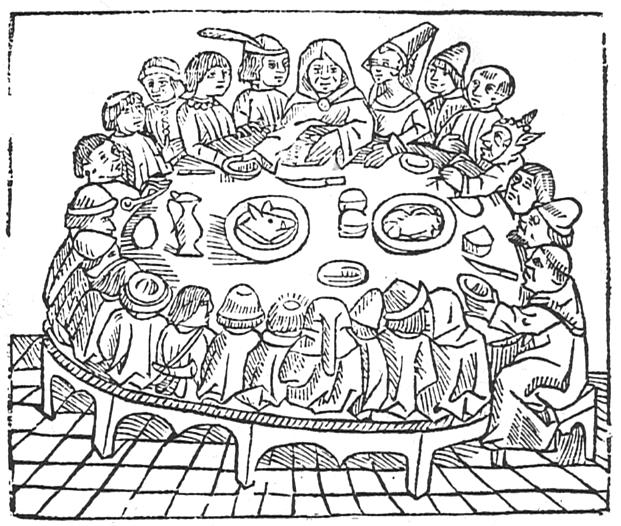 □□(2)
□□(2)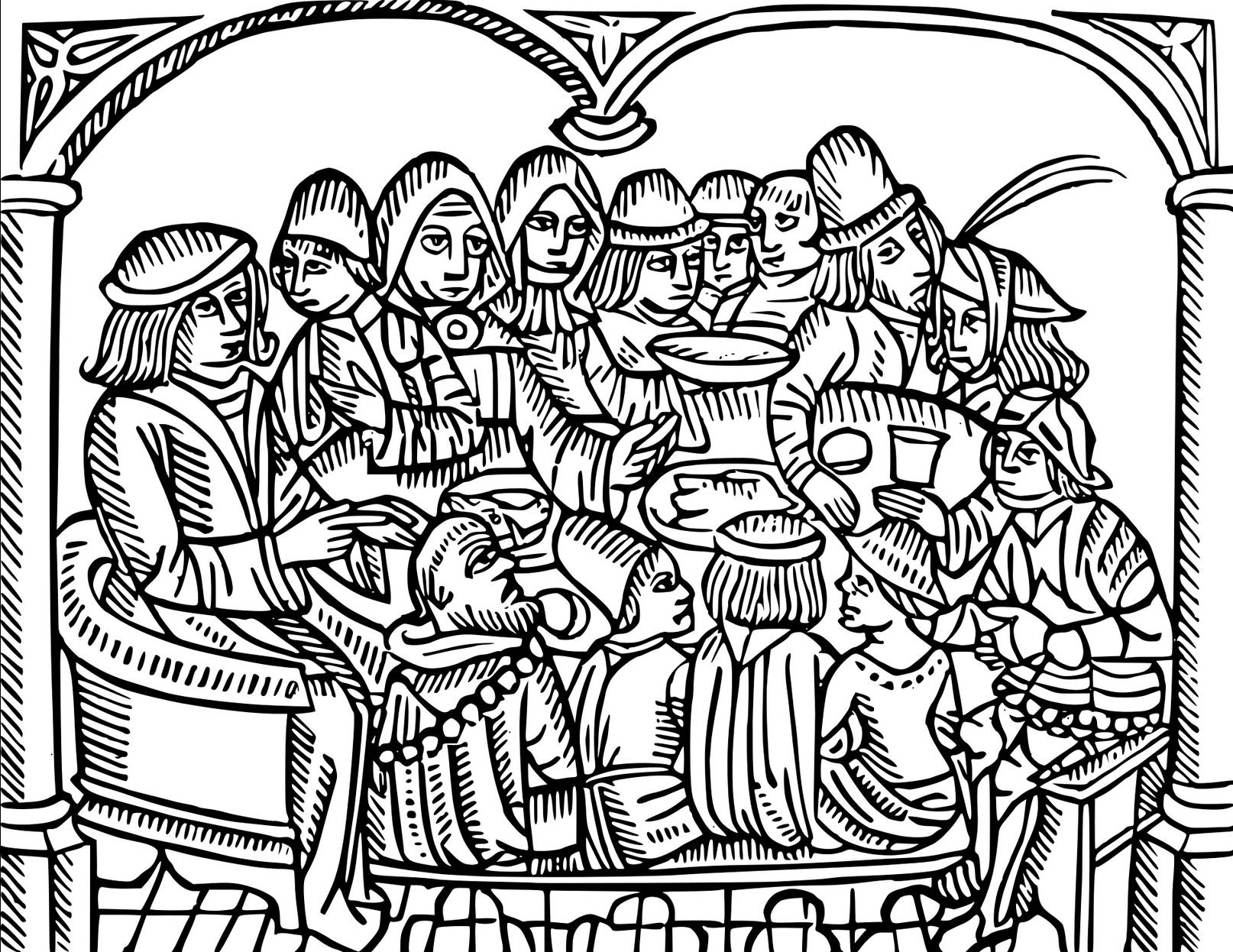
Figure 5 Illustration of the pilgrims gathered for dinner in The Tabard Inn. (1) The Caxton’ Canterbury Tales (1476)[22], (2) The Pynson’ Canterbury Tales (1476)[23].
The illustration in the Caxton’s Book reproduced in the
Illustrated Edition from Penguin Books[24] was captioned “The pilgrims enjoyed a
boar' head, a fowl and a pitcher of wine”. Those cuisines reminded me of an
event of “Medieval Dinner” held at the Cookery Department, Technical College in
Colchester[25],
England, to which I was invited long time ago by a friend of mine. The banquet
hall was dimly lit by torches and food was served by students dressed in
medieval costumes. The menu, printed with an antique font similar to those in
Figure 5, included such items as roast piglet, instead of boar, baked pigeon and
other unfamiliar ingredients, seasoned with salt, vinegar and spices, with
home-brewed wine and craft beer. Unfortunately, they were quite different from
modern food and beverages, and not very tasty to me.
Looking back to the history, The Black Death or the epidemic of pest arrived at Dorset in 1348 and spread fast to Bristol, London and southern part of England, until subdued after several years. The Hundred Years’ War had started in 1337 (until 1453), and Chaucer himself was in the Edward III's army and in 1359 captured for ransom during the siege of Reims, Champagne. The year of the pilgrimage in The Canterbury Tales was not explicitly stated, but the poem is generally supposed to have been set around 1387 and 1400, when the war was yet to be ended. I understood such an event as pilgrimage was possible as the war was unlike a total war in the modern time between nations.
Etymologically, I learned that the past tense of “go”, “went”, comes from that of Middle English word, “wend”, and that many irregular verbs and irregular plural nouns have their origin in the Middle English.
5. The Stained Glass panel in Otaru, Hokkaido
The aforementioned stained glass panel that depicted the scene of pilgrimages starting London to Canterbury in The Stained Glass Museum, Otaru, is shown in Figure 6.
(a)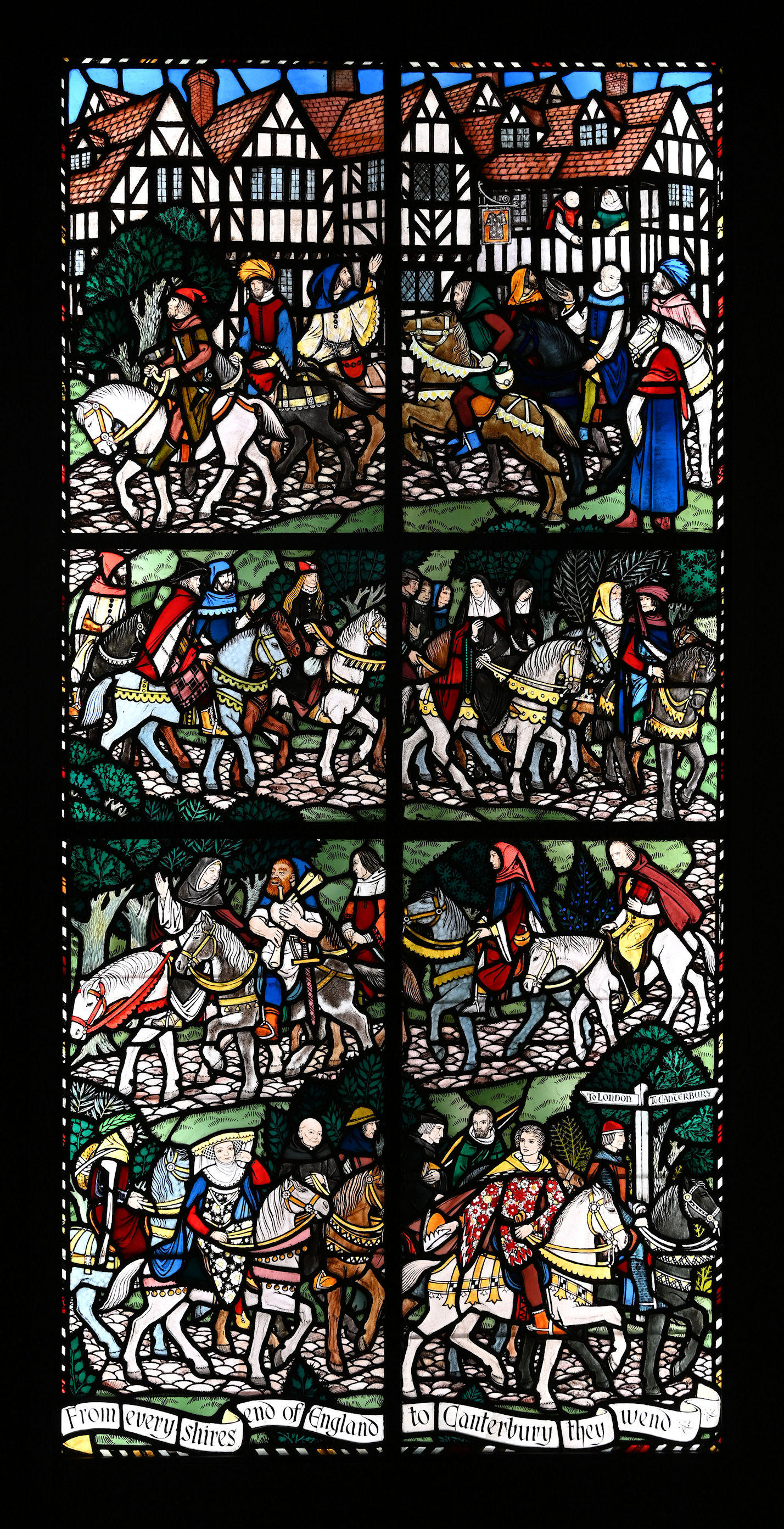 □□□(b)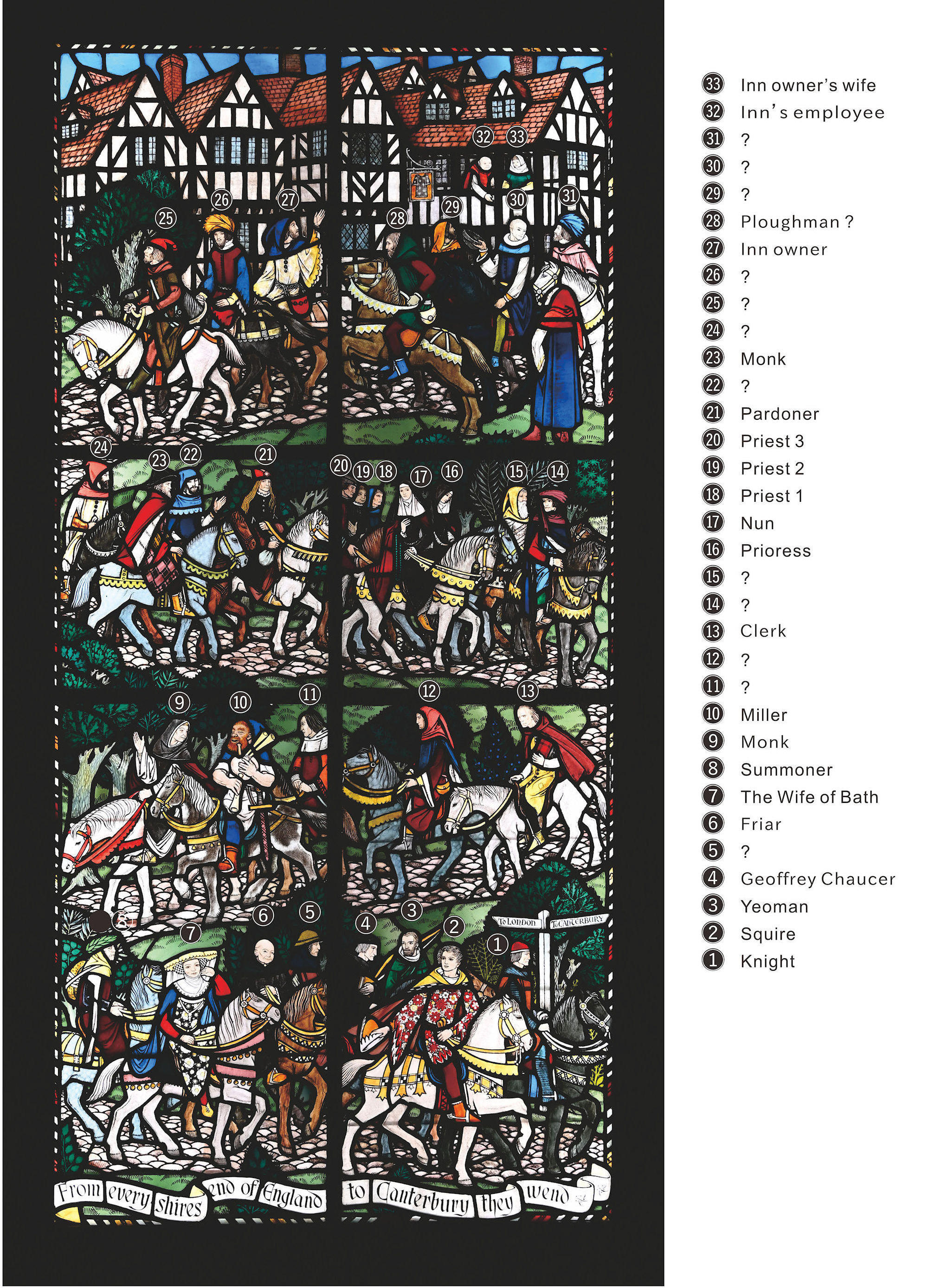
(c)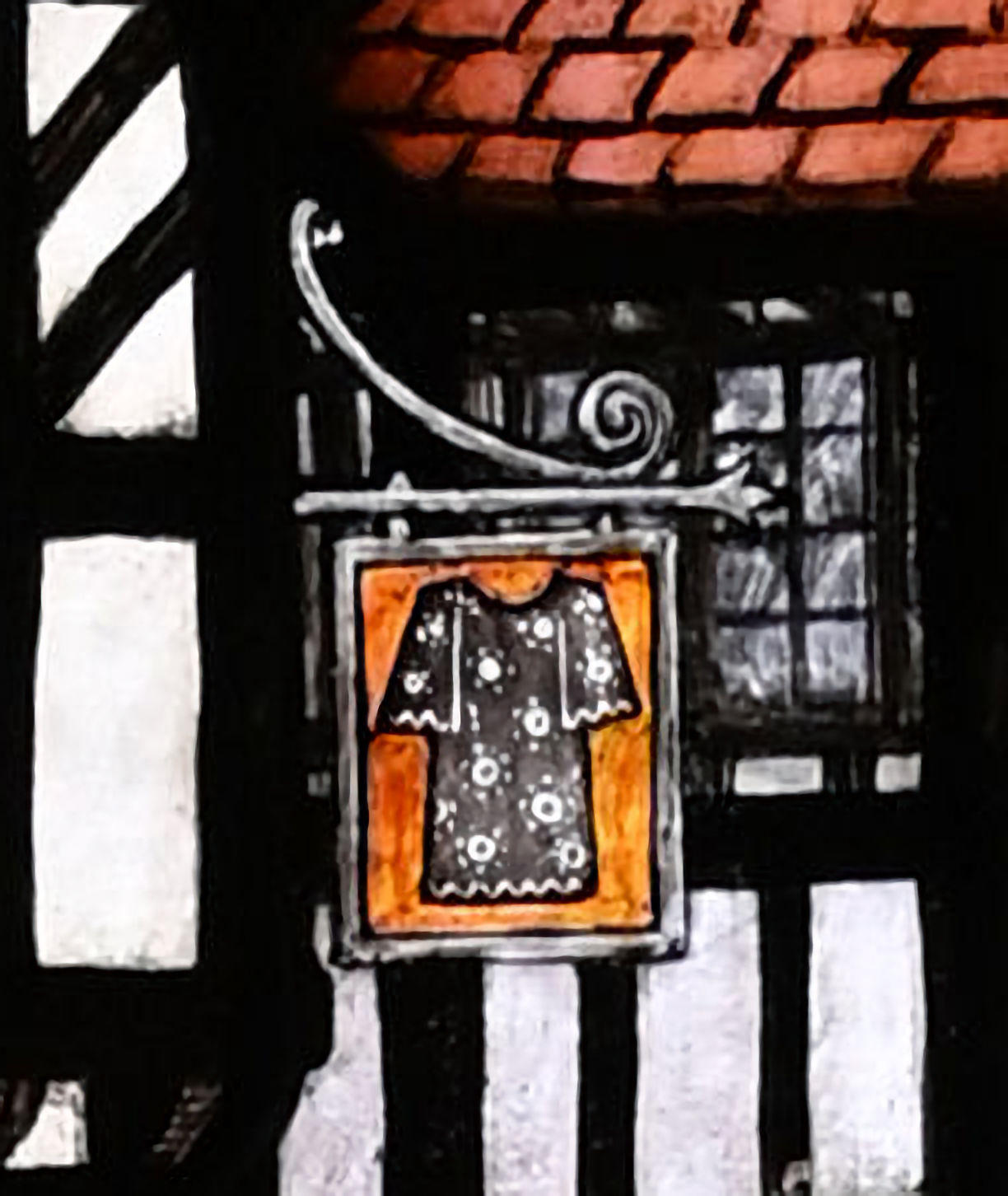
Figure 6 The stained glass panel in The Stained Glass Museum, Otaru in which the scene of pilgrimages starting London to Canterbury is depicted (Photographed by M. Iguchi, 29 Nov. 2022). (a)The whole picture, (b)The picture in which the figures have been numbered and identifies, (c)The enlargement of the Inn’s signboard seen in the top-right section.
The figures in (a) have been numbered and the correspondence to those in Table 3 and checked by courtesy of the museum’s curators. According to Dr. Ms. Jasmine Allene, Director and Curator of Ely Stained Glass Museum, whom the picture of this stained glass was shown commented, “This is a high quality piece, Although the original place cannot be determined, it is supposed to have been used as an interior partition in a mansion or luxurious house rather than a window, judging from the design and conditions”.
Figure 6(c) is a magnified view the Tabard Inn’s signboard seen in the top-right section of (a).
For reference, some other panels held in the Stained Glass Museum, Otaru are mentioned about with pictures in the [Christmas Card] – [Xmas 2023] of this Homepage:
https://maiguch.sakura.ne.jp/ALL-FILES/ENGLISH-PAGE/XMAS-CARD/default-xmas-card-e.html
One of the aims of my trip to England-Netherlands in May 2024 was to visit Canterbury for the first time. In London, I thought to visit the spot in Southwark where The Tabard Inn had existed but evetually dropped that idea because I learnt that there was nothing there but a plaque to indicate the site and because my schedule was tight. An old lithograph and a plaque of The Tabard Inn are shown in Figures 7.
(a)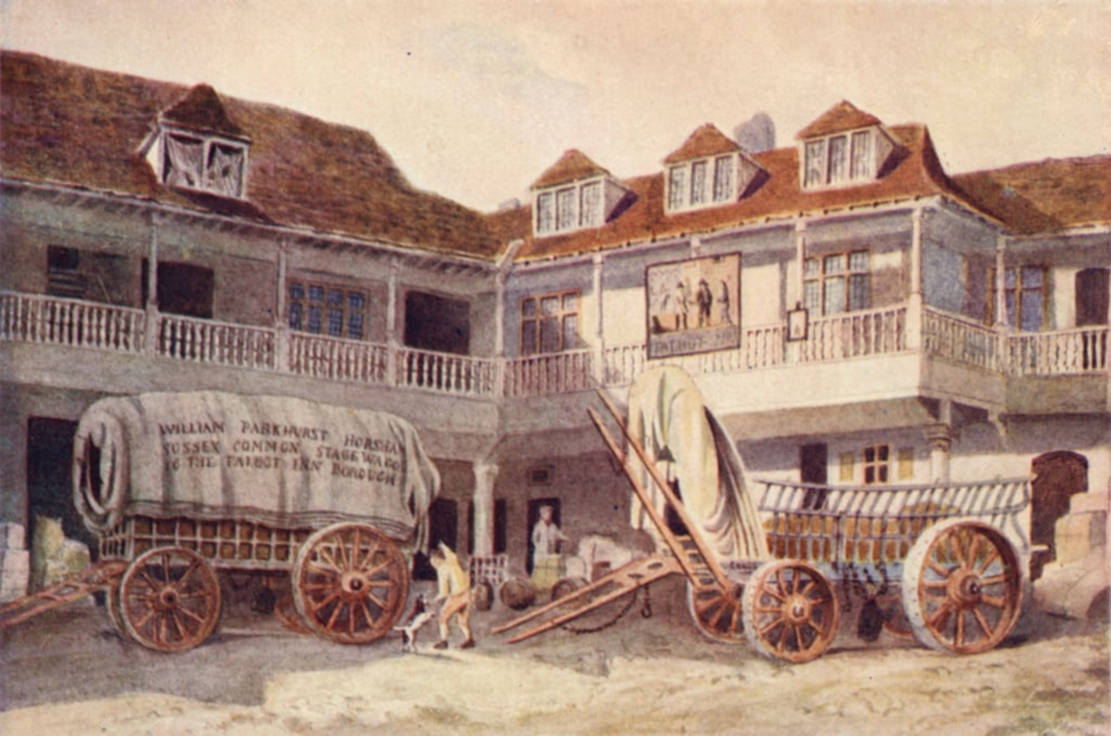 (b)
(b)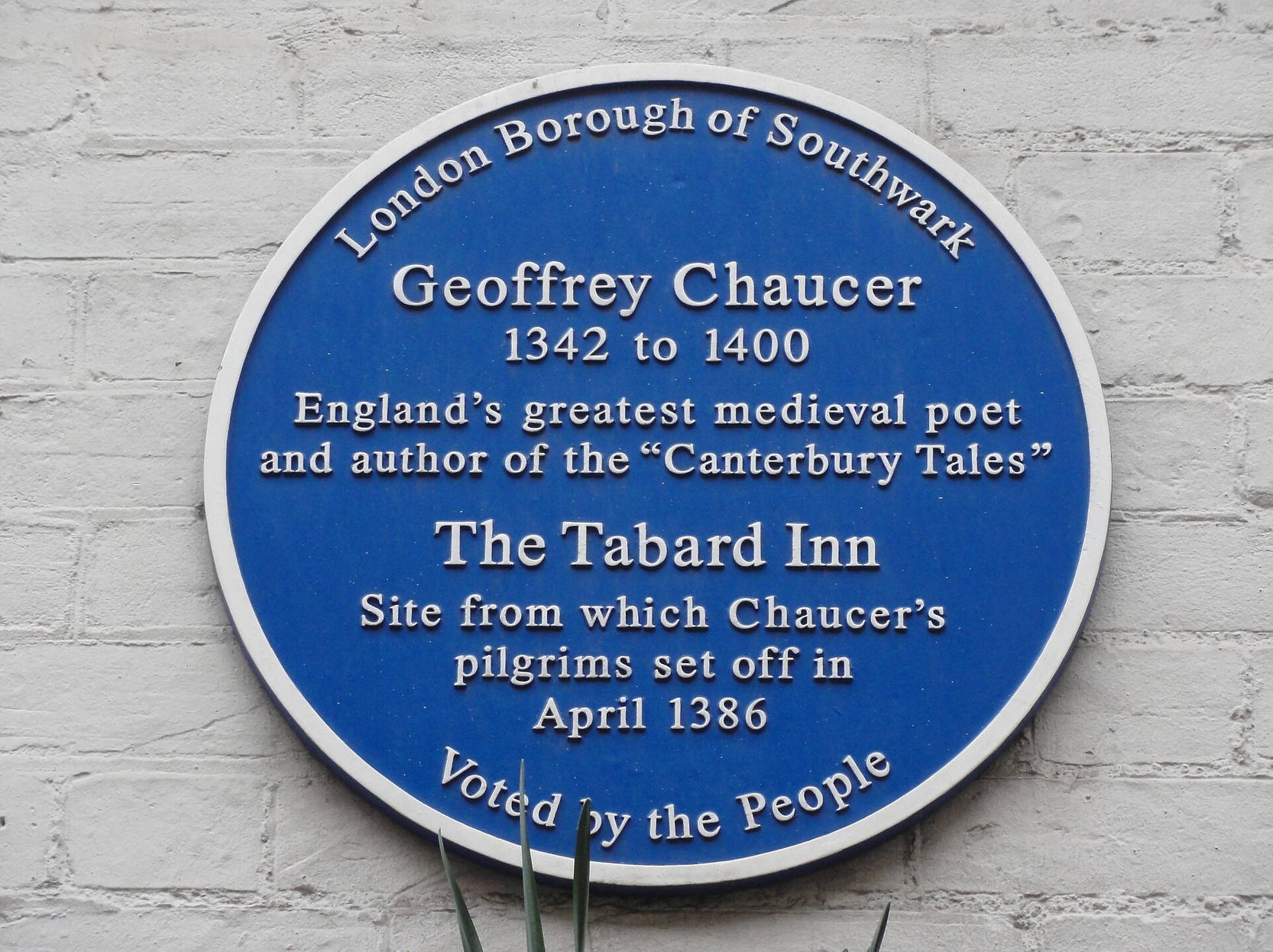
Figure 7 (a) A coloured lithograph titled, Tabard Inn, Southwark, 1810 by English artist Philip Norman (1842–1931)[26], (b) Blue plaque marking the location of the Tabard Inn[27].
On Saturday, 18 May, departed St Pancras Station in London by tran at 9:36 (on time) and arrived at Canterbury West Station via Ashford in two hours (Figure 8). Took a taxi to the Cathedral Gate Hotel, adjacent to the cathedral’s gate. As the weather was rainy, rested for the entire day.
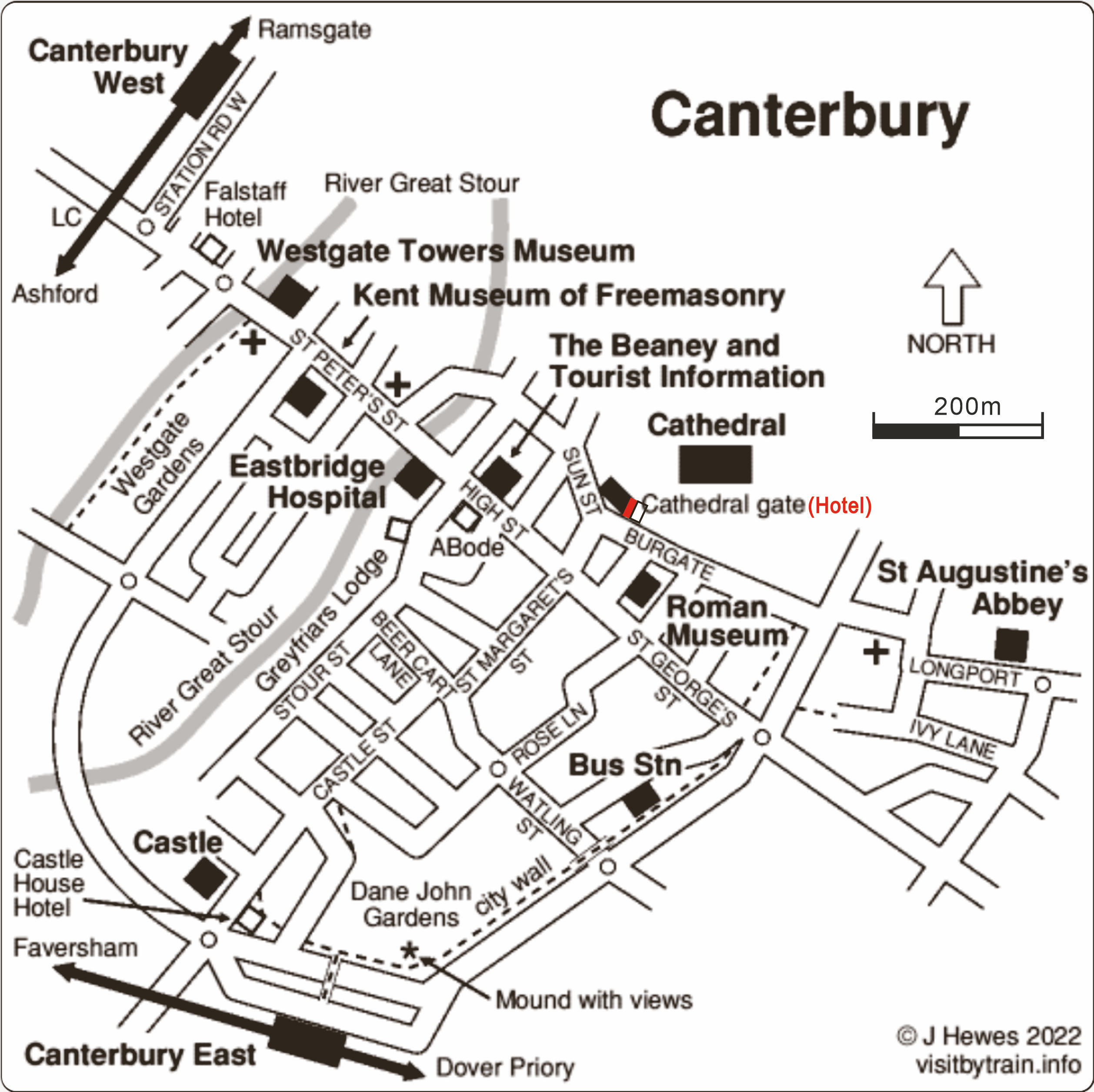
Figure 8 Canterbury town map [27a]. The Cathedral Gate Hotel and the scale added.
Canterbury was an old fort town where medieval houses and the atmosphere of old days were perfectly preserved and of the town as shown in Figure 8 (a), (b).
(a)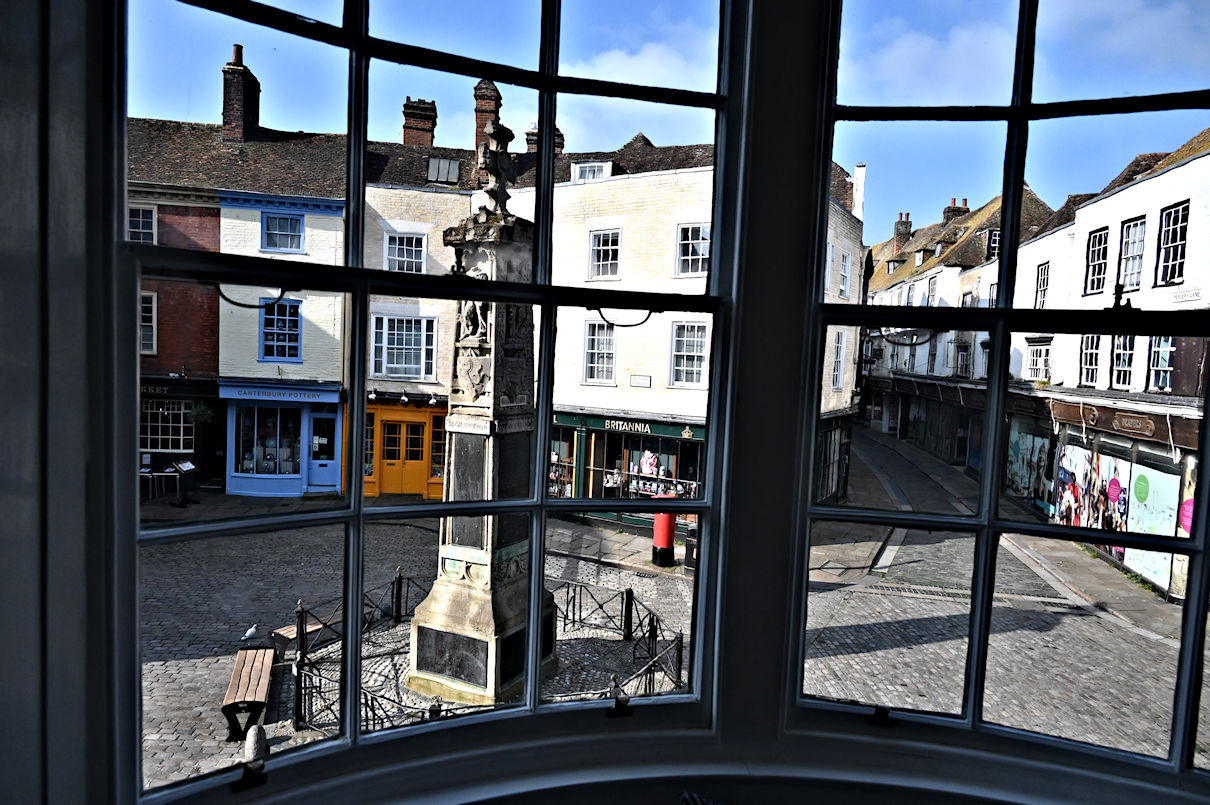 □(b)
□(b)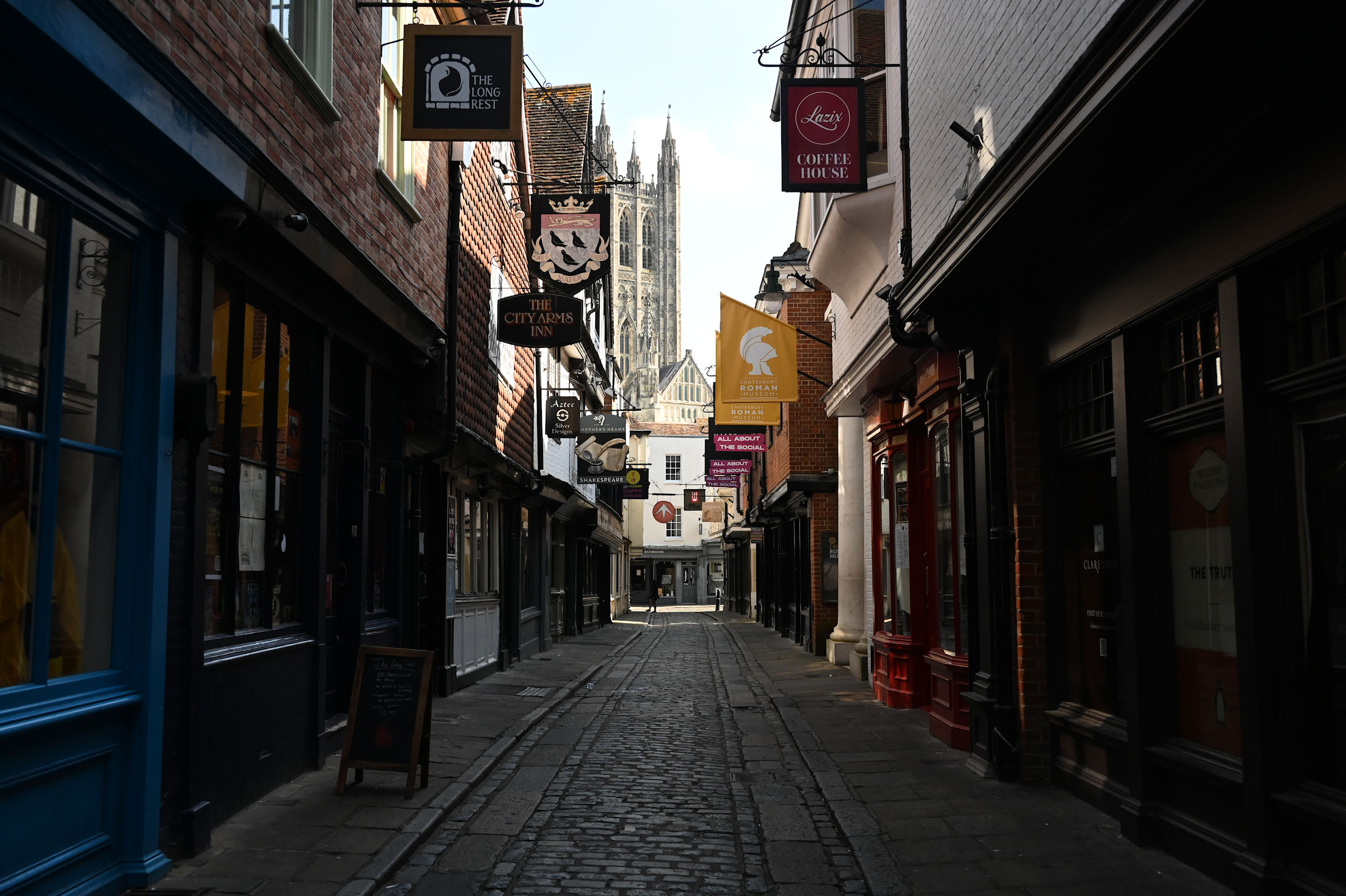
Figure 8 (a) A view of town centre from the dining room on the first floor of Cathedral Gate Hotel, (b) A lane which leads to the Canterbury Roman Museum (Photographed by M. Iguchi, 19 May. 2024).
Figure 9 shows a modern image of the Roman Canterbury around 300 AD, displayed in the Canterbury Roman Museum along with various glass and ceramic relics.
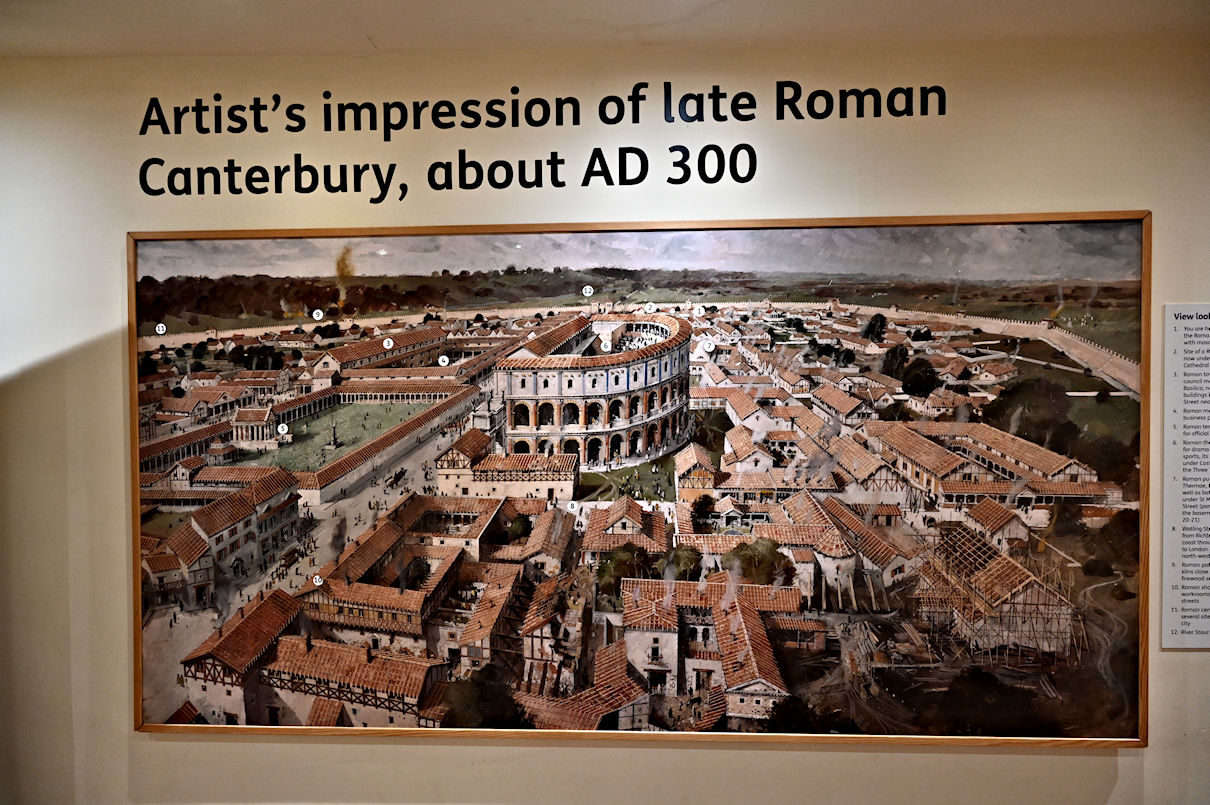
Figure 9 A modern image of the Roman Canterbury around 300 AD, displayed in the Canterbury Roman Museum (Photographed by M. Iguchi, 19 May. 2024).
Figure 10 shows the external view of the Cathedral.
Figure 11 shows the ground plan of the Cathedral.
(1)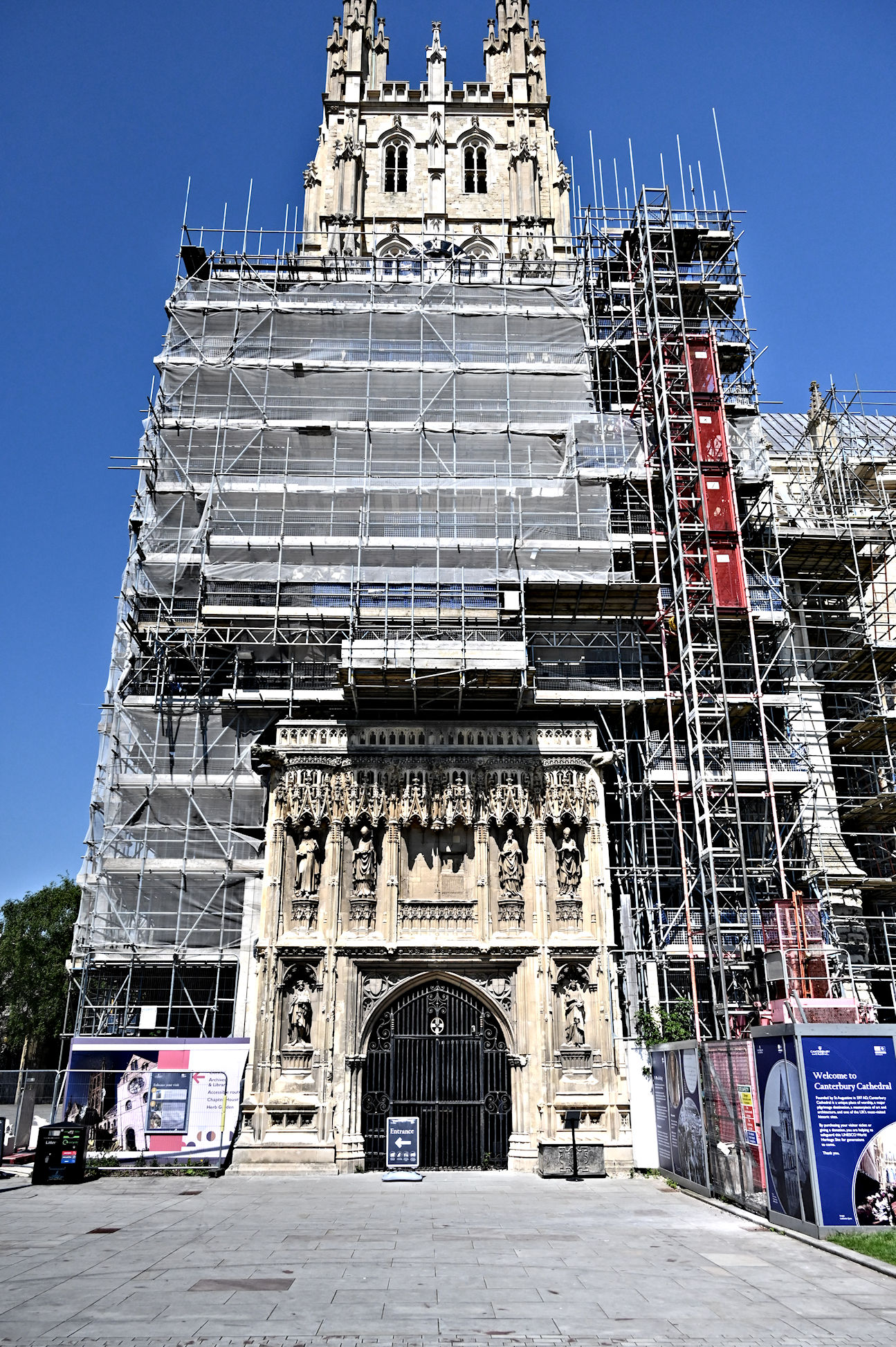 (2)
(2)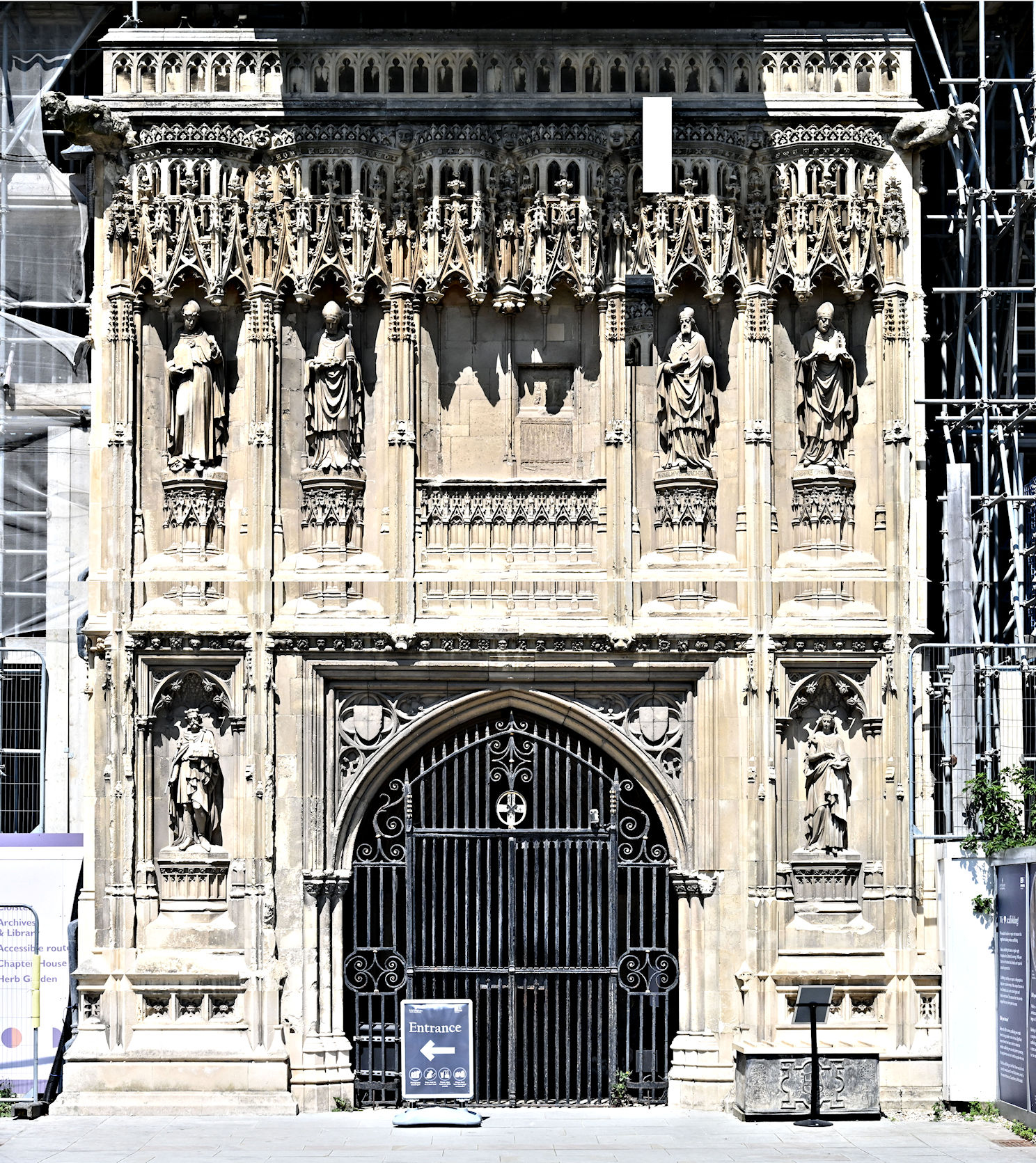
Figure 10 External view of the Canterbury Cathedral (Photographed by M. Iguchi 19/May/2024)..
(1) Front view, (2) The entrance.
(1)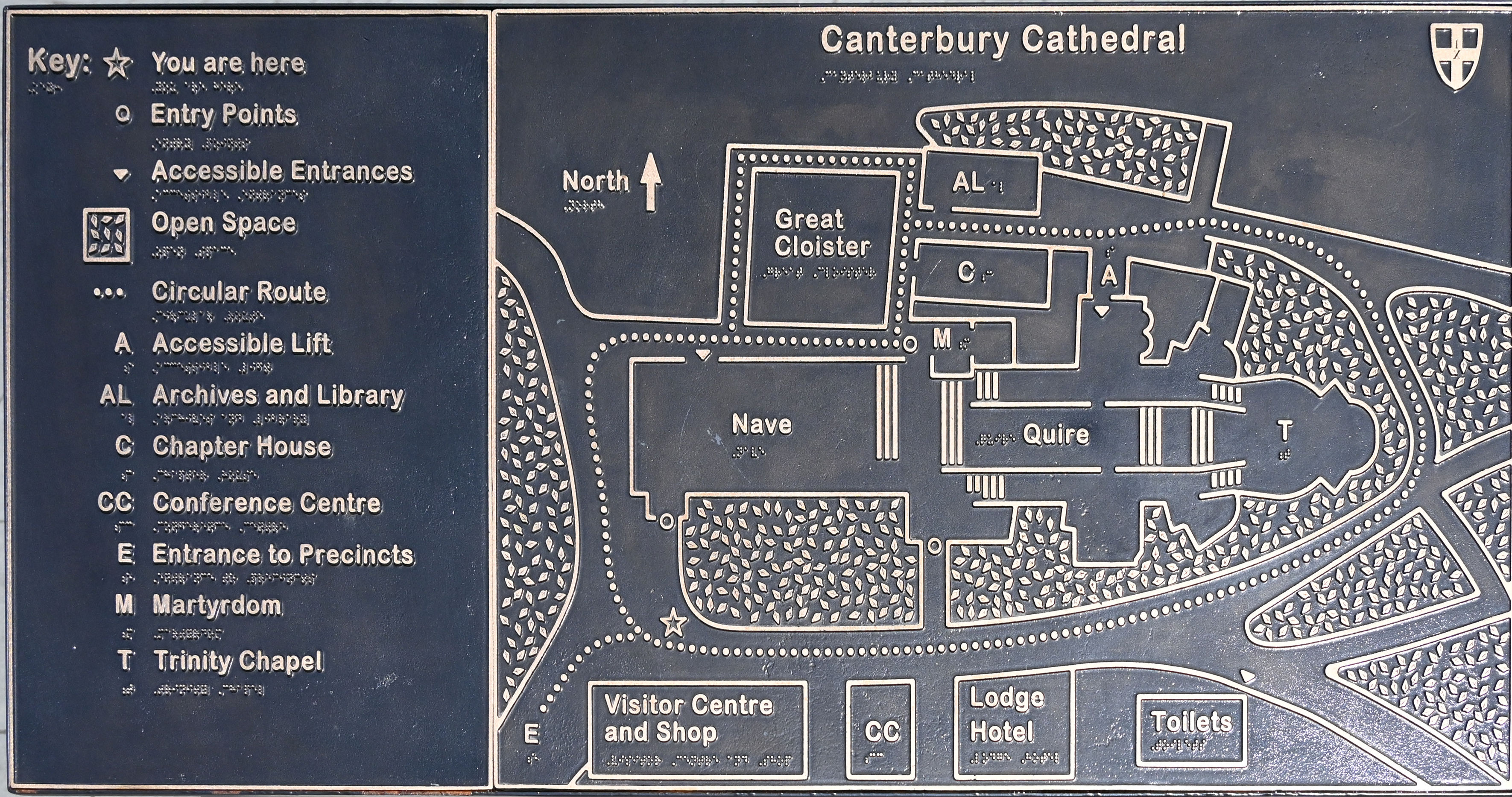 (2)
(2)
Figure 11 The ground plan of the Cathedral.
(1) Guide board of the Cathedral (Photographed by M. Iguchi 19/May/2024).
(2) Ground plan of Canterbury Cathedral[28].
In the Cathedral, I looked around the stained glass windows, especially those related to the history explained in the University of Air Programme by Prof. Varnam-Atkin. Figure 12 shows such windows.
(a) (b)
(b) (c)
(c) □
□
(d)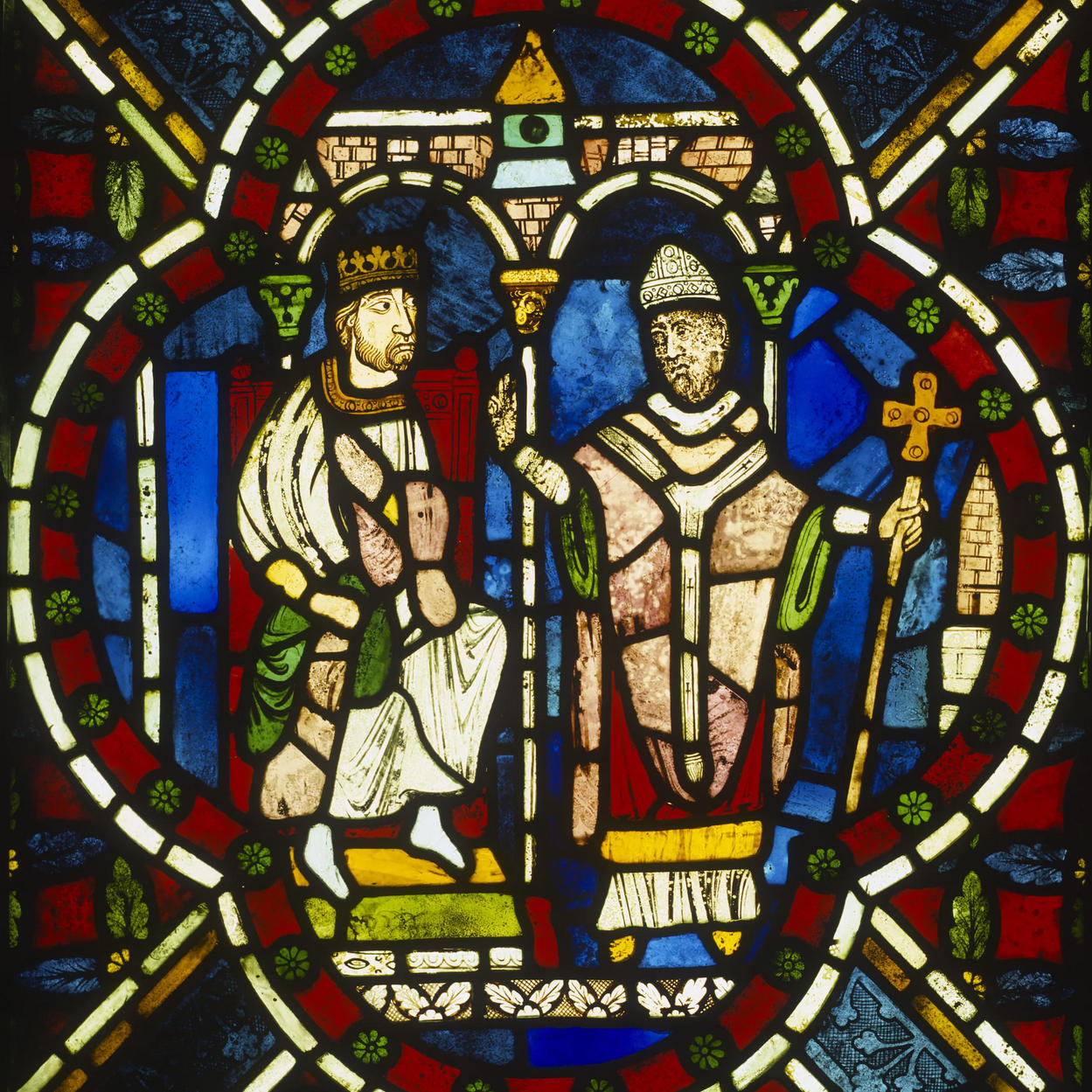 (e)
(e)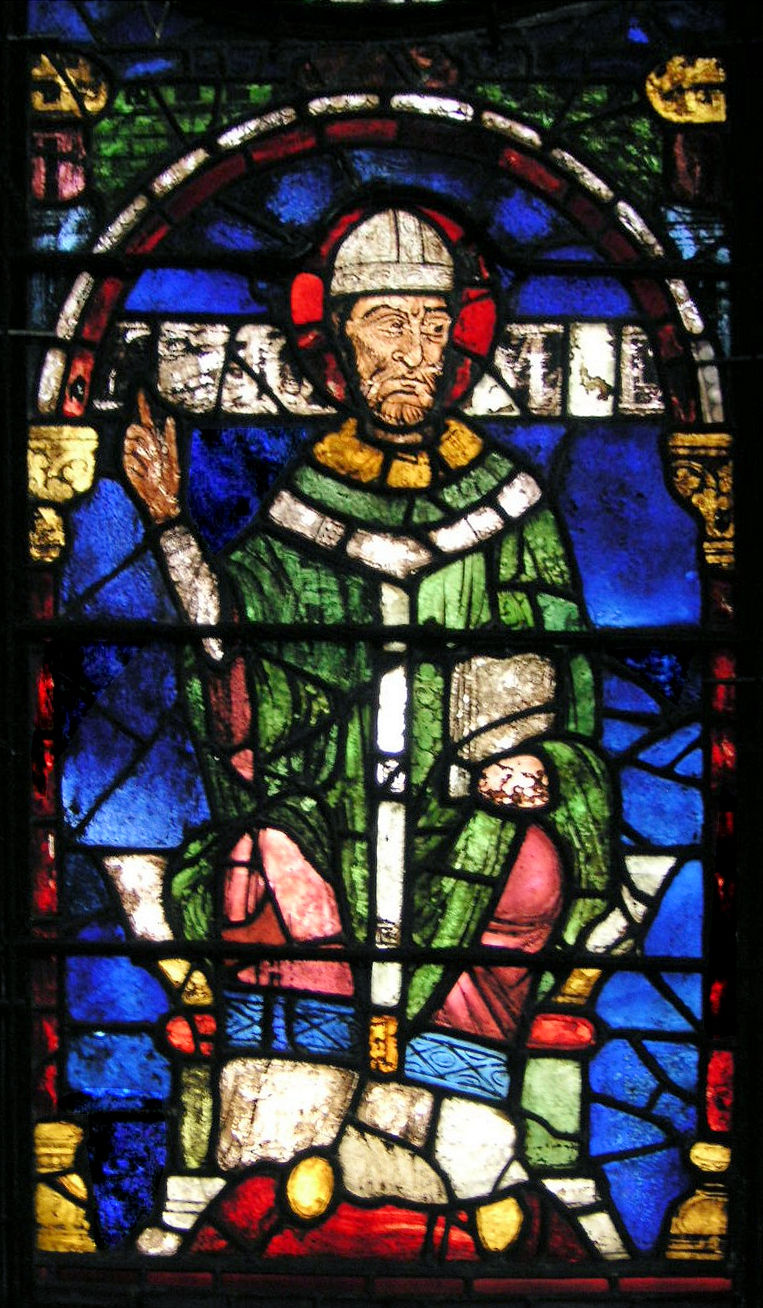 (f)
(f)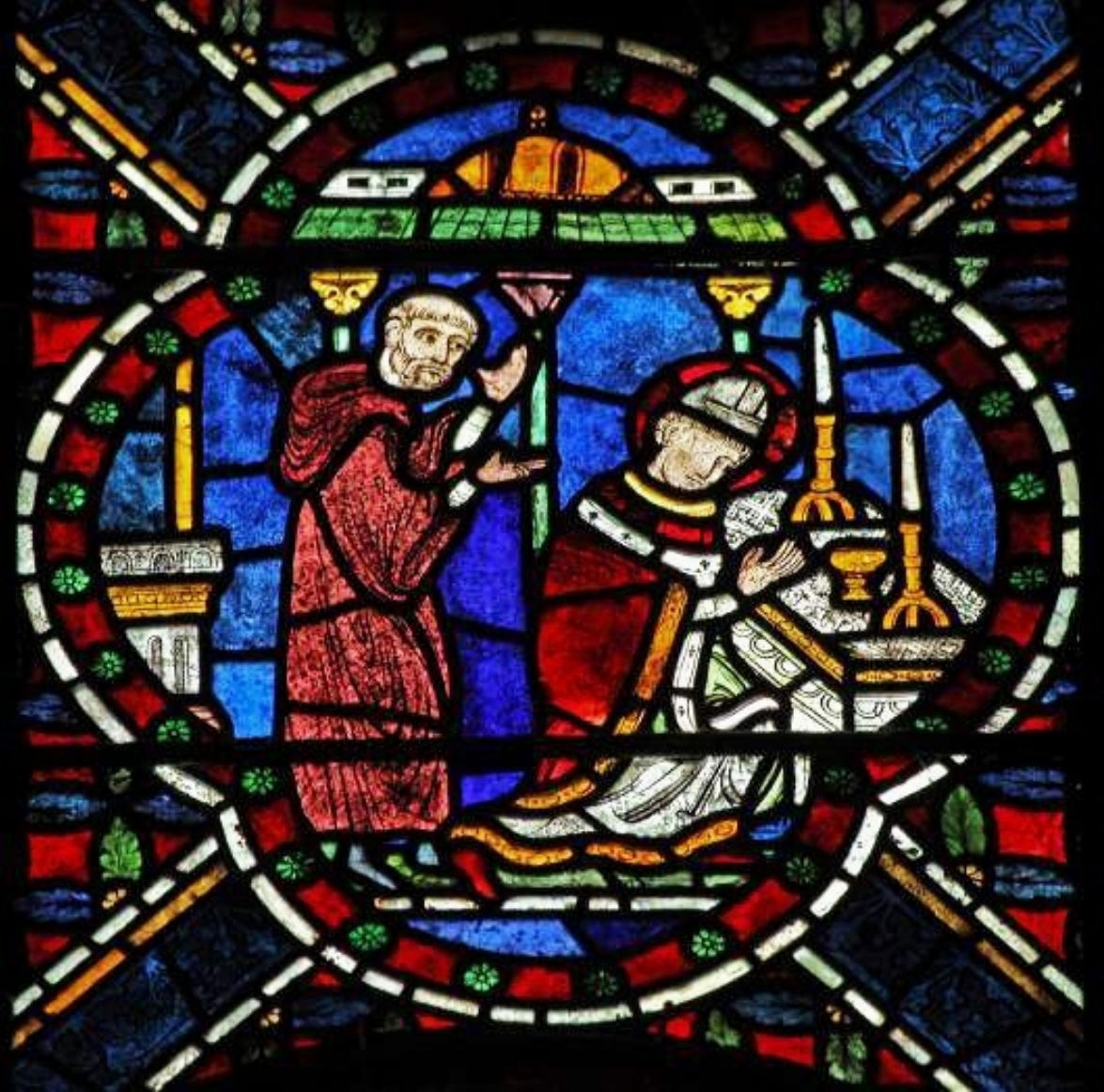 □
□
(g)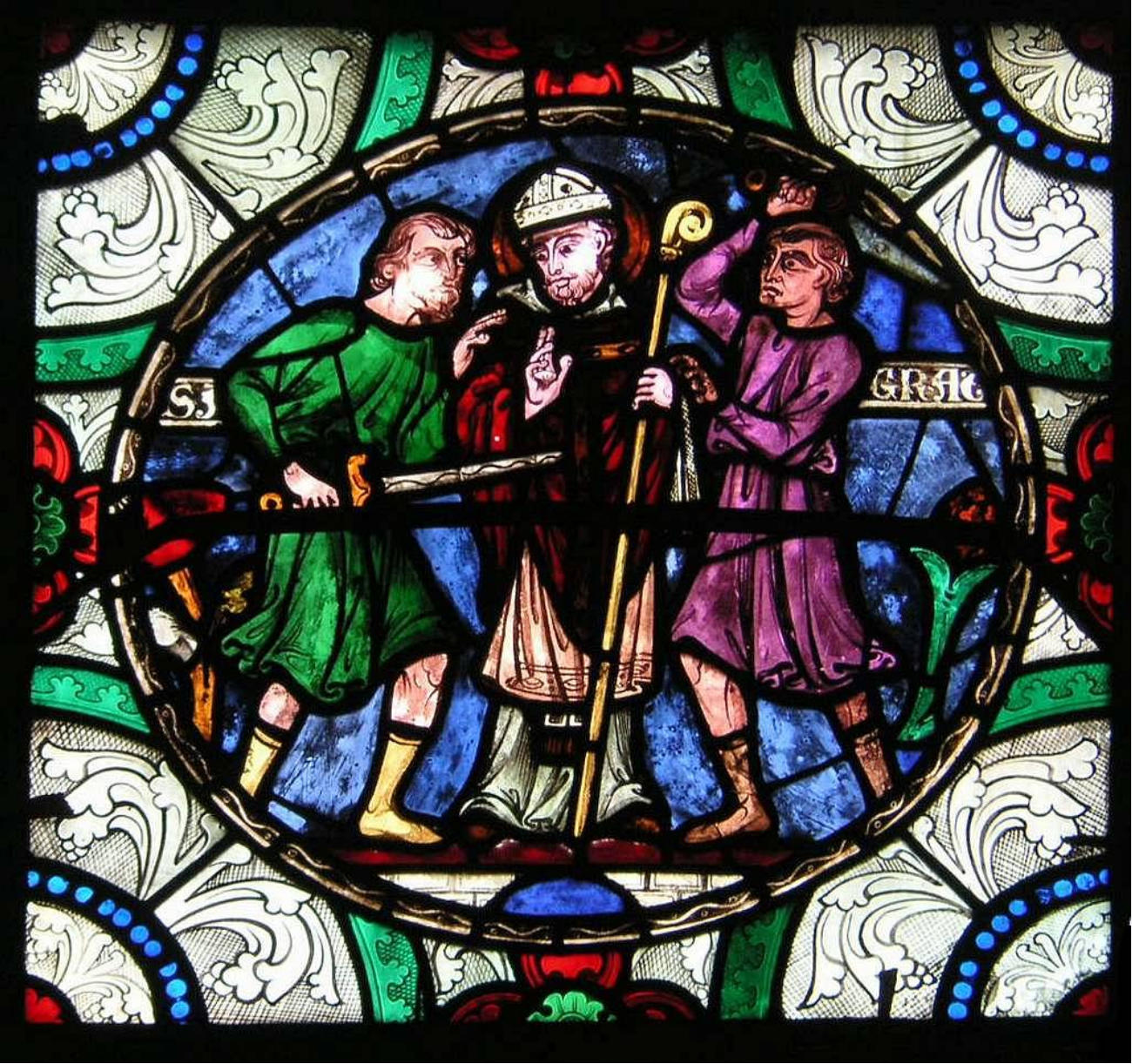 (h)
(h)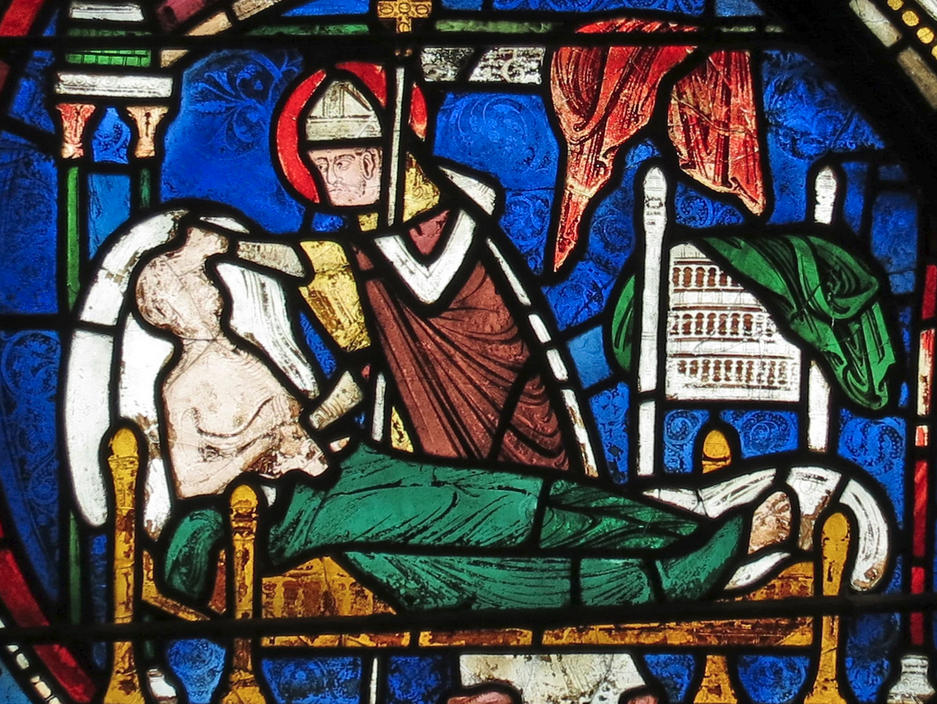
Figure 12 Stained glass window related to the history of Canterbury Cathedrals.
(a) St Augustine, the founder of the original cathedral in 597 AD [29].
(b) St Alphege being captured by Viking and taken by boat to Greenwich in 1011 (Photographed by M. Iguchi, 19/May/2024). He was finally killed in 1012.
(c) Norman Archbishop Lanfranc[30]. who rebuilt the cathedral in 1077 after the fire in the previous year.
(d) King Henry II’s coronation in 1154[31].
(e) St Thomas Beckett (Photographed by M. Iguchi in Nov. 2022),
(f) St Thomas Beckett praying at the alter (Photographed by M. Iguchi, 19/May/2024)..
(g) The murder of St Thomas Beckett murder by four knights of King Henry II in 1170[32]
(h) A miracle occurred after the death of St Thomas Beckett[33].
To conclude briefly, the town of Canterbury is beautiful and The Canterbury Tale is great.
On Monday, 20 May, departed for London by train at 10:33.
Acknowledgements
Thanks are
due to Miss Akari Jin, The Stained Glass Museum, Otaru, who kindly checked
the identification of figures in the museum’s Canterbury Tales Stained Glass
Panel. I also thank Dr. Ms. Jasmine Allene, Director and Curator of Ely
Stained Glass Museum, who kindly spared time to guide me and friends around
her museum and to comment on the Otaru Museum’s stained glass. Thanks are
due also to my friends, Professor and Mrs. Mackley (Cambridge) who kindly
drove me from Cambridge to Ely and accompanied me on a visit to The Ely
Cathedral and Museum.
[1] 放送大学 “Walking-with-Writers – A Literary Journey Around England“,井口篤,スチュウット・ヴァ―ナム・アトキン,2016
[2] https://www.britishlibrary.cn/en/works/canterbury-tales/
[3] https://www.britishlibrary.cn/en/works/canterbury-tales/
[4] Bartholomew, J.G. LLD. A Literary & Historical Atlas of Europe. London: J.M. Dent & Sons, Ltd. and New York: E.P. Dutton & Co., 1910. In: https://www.shadowedrealm.com/medieval-maps/ecclesiastical/view/route_of_the_canterbury_pilgrims
[5] Bartholomew, J.G. LLD. A Literary & Historical Atlas of Europe. London: J.M. Dent & Sons, Ltd. and New York: E.P. Dutton & Co., 1910. In: https://www.shadowedrealm.com/medieval-maps/ecclesiastical/view/route_of_the_canterbury_pilgrims
[6] The Otaru Art Base, or The Otaru Art Village, where four historical warehouses and buildings were converted to accommodate and display art collections, funded by Mr. Akio Nitori, a successful furniture manufacture. The Stained Glass Museum used to be the Takahashi Warehouse.
[7] https://www.britishlibrary.cn/en/works/canterbury-tales/
[8] https://www.gla.ac.uk/myglasgow/library/files/special/exhibns/month/may2004.html
[9] The Canterbury Tales- Geoffrey Chaucer, Rendered into Modern English by J. U. Nicolson, Published by Michael O'Mara Books Ltd, 1988
[10] Harvard's Geoffrey Chaucer Website (in American spellings). https://chaucer.fas.harvard.edu/pages/literary-works
[11] Medieval Sourcebook: Geoffrey Chaucer, d. 1400: Canterbury Tales: Prologue [Parallel Texts]. https://origin.web.fordham.edu/Halsall/source/CT-prolog-para.asp
[12] Ibid.
[13] The Canterbury Tales: Illustrated Edition", Geoffrey Chaucer (Au), Nevill Coghill (Translator), Penguin Books, 1986)
[14] Kenji Kaneko (trans) Canterbury Tales, Toado 1917 / 金子健二 (訳),『カンタベリー物語』, 東亜堂書房, 1917
[15] Tsuneharu Karibe, Hisaaki Sasagawa, Yoshiharu Tanaka, A New Invitation to Chaucer's General Prologue to Canterbury Tales, Shohakusha 2000
苅部恒徳,笹川寿昭,小山良一,田中芳晴(編・訳・注)『原文対訳 「カンタベリィ物語・総序歌」,松柏社 2000
[16] Michio Masui, Complete Translation: Canterbury Tales 1/3, Iwanami1995 /桝井迪夫『完訳 カンタベリー物語 上』, 岩波書店 1995
[17] Toshio Watari (Transl.), The Canterbury Tales: Prologue, Shoubundo Publ., Tokyo, 1934.7.20./亘理俊雄(譯)『カンタベリー物語・序歌』,尚文堂,東京,1934.7.20.
[18] Toshio Watari (Transl.), The Canterbury Tales: Prologue, Shoubundo Publ., Tokyo, 1934.7.20./亘理俊雄(譯)『カンタベリー物語・序歌』,尚文堂,東京,1934.7.20.
[19] Michio Masui, Complete Translation: Canterbury Tales 1/3, Iwanami1995 /桝井迪夫『完訳 カンタベリー物語 上』, 岩波書店 1995
[20] Tsuneharu Karibe, Hisaaki Sasagawa, Yoshiharu Tanaka, A New Invitation to Chaucer's General Prologue to Canterbury Tales, Shohakusha 2000
苅部恒徳,笹川寿昭,小山良一,田中芳晴(編・訳・注)『原文対訳 「カンタベリィ物語・総序歌」,松柏社 2000
[21] Kenji Kaneko (trans) Canterbury Tales, Toado 1917 / 金子健二 (訳),『カンタベリー物語』, 東亜堂書房, 1917
[22] https://commons.wikimedia.org/wiki/File:Canterbury_Tales.png Xhttps://blogs.bl.uk/digitisedmanuscripts/2023/10/chaucers-works-go-online.html
[23] https://www.gla.ac.uk/myglasgow/library/files/special/exhibns/month/may2004.html
[24] The Canterbury Tales: Illustrated Edition", Geoffrey Chaucer (Au), Nevill Coghill (Translator), Penguin Books, 1986)
[25] North East Essex Technical College. Now, Colchester Institute.
[26] https://commons.wikimedia.org/wiki/File:Tabard_Inn_Southwark_1810_by_Philip_Norman.jpg
[27] https://en.wikipedia.org/wiki/The_Tabard#/media/File:Blue_plaque,_Tabard_Inn.jpg
[27a] https://visitbytrain.info/kent/canterbury.htm
[28] https://stepneyrobarts.blogspot.com/2021/07/pevsner-canterbury-cathedral.html
[29] https://learning.canterbury-cathedral.org/a-walk-through-time/st-augustine/
[30] https://www.canterbury-archaeology.org.uk/st-anselm-chapel-window
[31] https://www.telegraph.co.uk/news/2016/12/19/day-one-medieval-englands-greatest-rulers-king-henry-ii-crowned/
[32] https://picryl.com/media/canterbury-cathedral-092-murder-of-st-thomas-bb3a25
[33] https://www.kentarchaeology.org.uk/events/miracles-in-glass?rq=miracle
Note:
The whole travelogue has been included in in this Homepage, [Photo Album] – [Photo-diary to UK & Netherland 2024]:
https://maiguch.sakura.ne.jp/ALL-FILES/ENGLISH-PAGE/PHOTO-ALBUM/default-photo_diary_2024-e.html
 To 2024